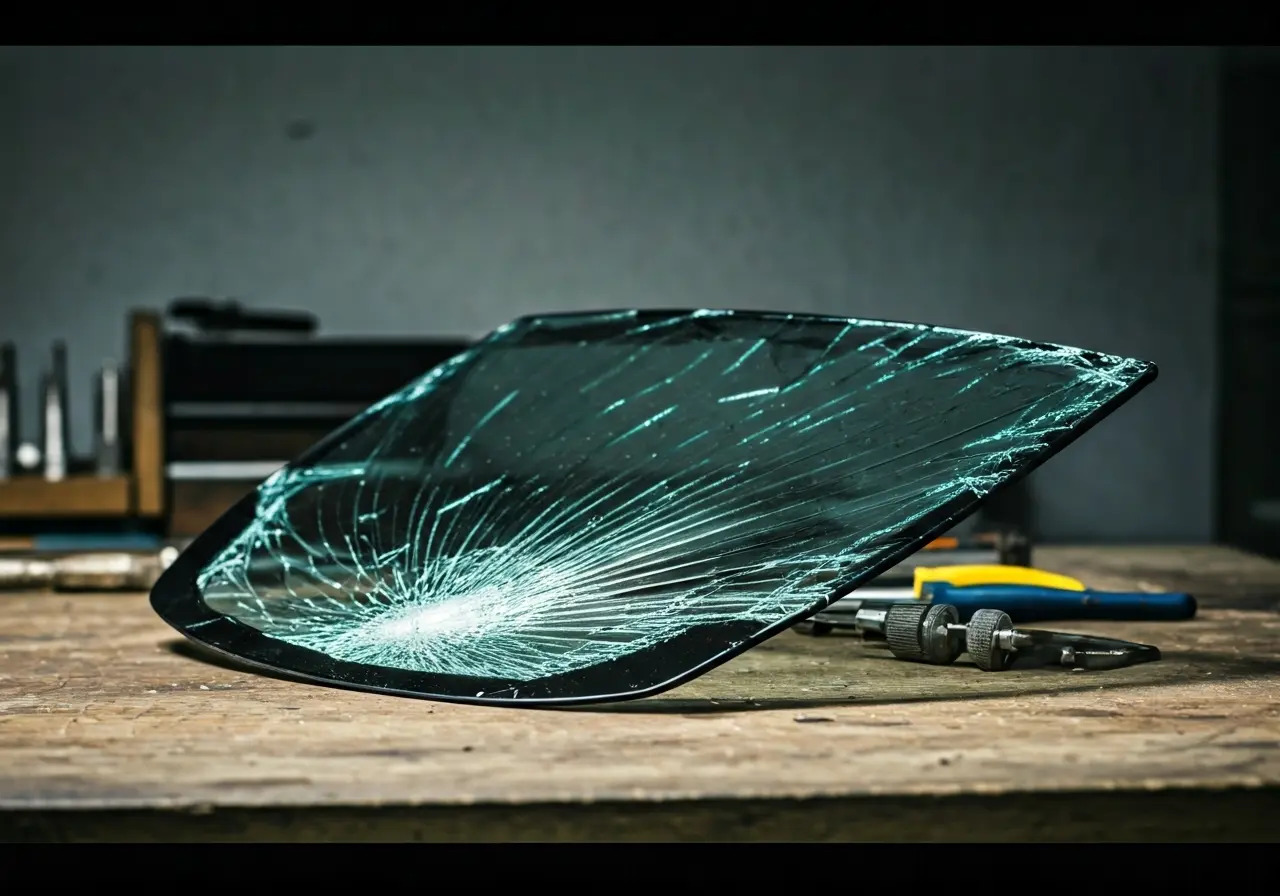
Replacing a car windshield can be a daunting task, not just because of the logistics involved but also due to the potential cost. Many factors come into play when determining how much you’ll pay. In this FAQ, we’ll break down the key elements that can influence the cost of windshield replacement, helping you make informed decisions.
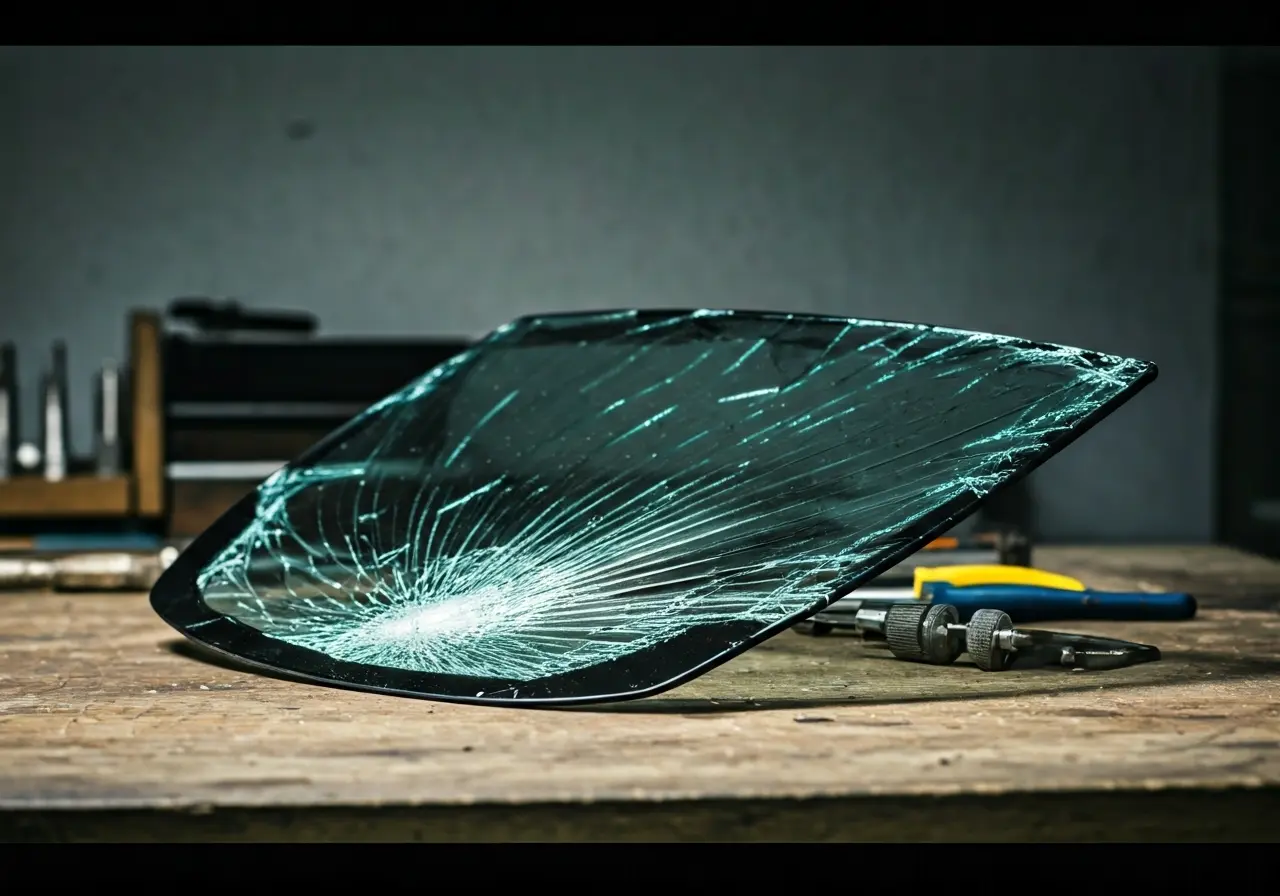
Type of Glass Used
The type of glass you choose—OEM or aftermarket—can significantly impact the cost. OEM glass tends to be more expensive because it’s made by the same manufacturer as the original, offering the best fit and quality.
Aftermarket glass, while cheaper, might not provide the exact fit and finish of OEM glass. However, it can be a viable option if you’re on a tight budget and your vehicle’s age or use doesn’t demand the precision of OEM.
It’s important to weigh the pros and cons of each type. OEM glass often assures quality and consistency with the original specifications, which could be crucial for the resale value of newer or luxury vehicles.
Labor Costs
Labor costs vary depending on where you go for the replacement. Dealerships might charge more due to their specialized service, while independent shops might offer a more budget-friendly option.
Geographical location can also play a role in labor costs. Urban areas with a higher cost of living might have higher rates compared to rural areas. However, this can be offset by the increased availability of services and potential access to more experienced technicians.
Additional Features
Modern windshields often include features like rain sensors or heating elements, which can increase the replacement cost. It’s essential to consider these additions when estimating your expenses.
Moreover, features like acoustic glazing and UV protection can also add to the cost. These are not just luxury features but can also enhance driving comfort and protect interiors from sun damage.
Insurance Coverage
Your insurance policy might cover some or all of the costs associated with windshield replacement. Understanding your coverage can drastically reduce your out-of-pocket expenses.
It’s useful to know whether your policy includes comprehensive coverage, which typically handles glass repairs and replacements. Deductibles and the impact on your premiums should also be considered.
Warranty Options
Some companies offer warranties that cover future damages or defects. Opting for a warranty may involve additional upfront costs but can be a wise investment in the long run.
Warranty terms can vary, so it’s vital to read the fine print. Some warranties might only cover particular types of damage or have specific conditions for claiming the warranty.
Wrapping Up: Making Informed Decisions on Windshield Replacement
Understanding the factors that affect the cost of a car windshield replacement can save you from unexpected expenses and help you make informed choices. By considering the type of glass, labor costs, additional features, and warranty options, you can better navigate the process and find a solution that fits your needs and budget.
Leave a Reply