Blog

  • 8 Common Mistakes to Avoid During Scottsdale Windshield Replacement

    8 Common Mistakes to Avoid During Scottsdale Windshield Replacement

    Replacing a windshield is a delicate task that demands precision and attention to detail, especially in Scottsdale where conditions can be unpredictable. Avoid these common pitfalls to ensure a smooth and successful windshield replacement process.
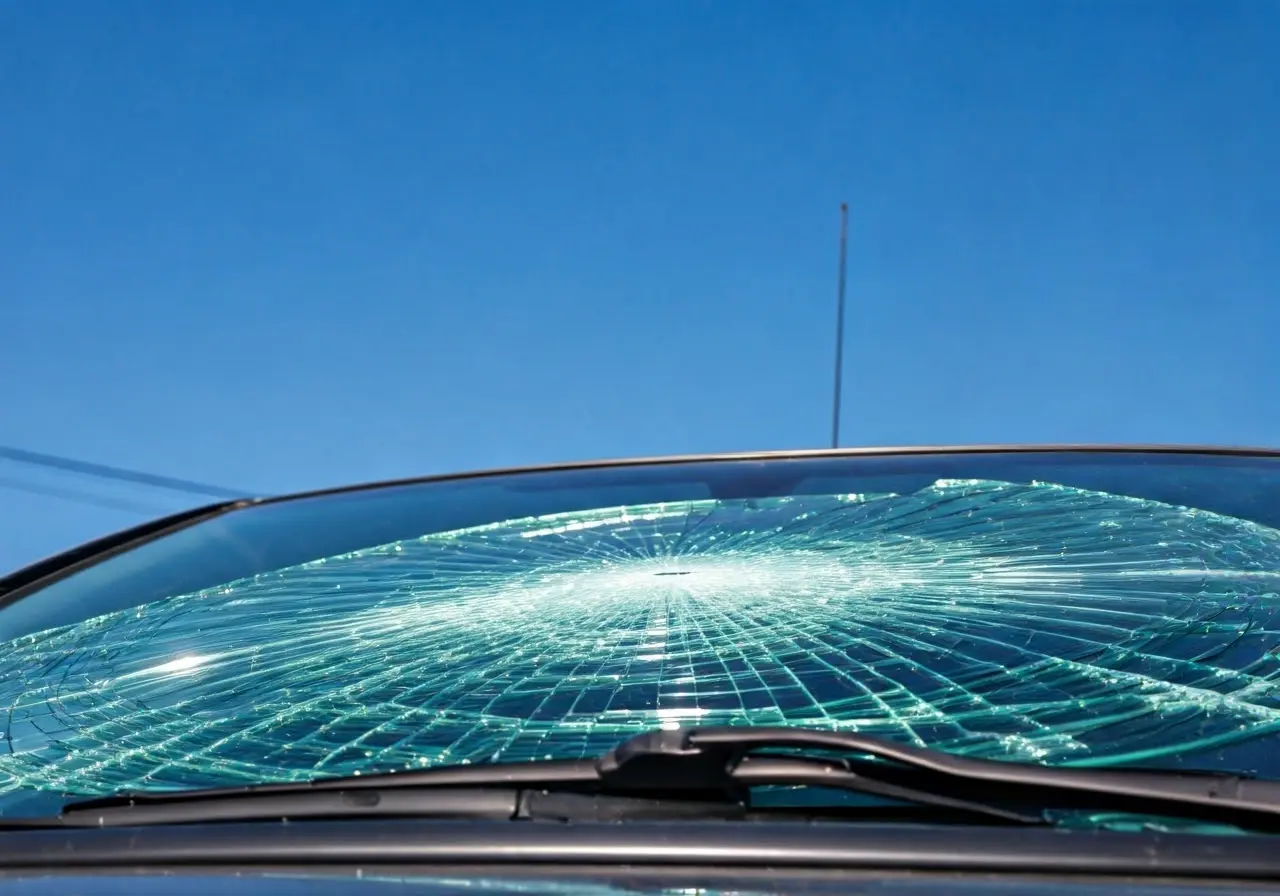
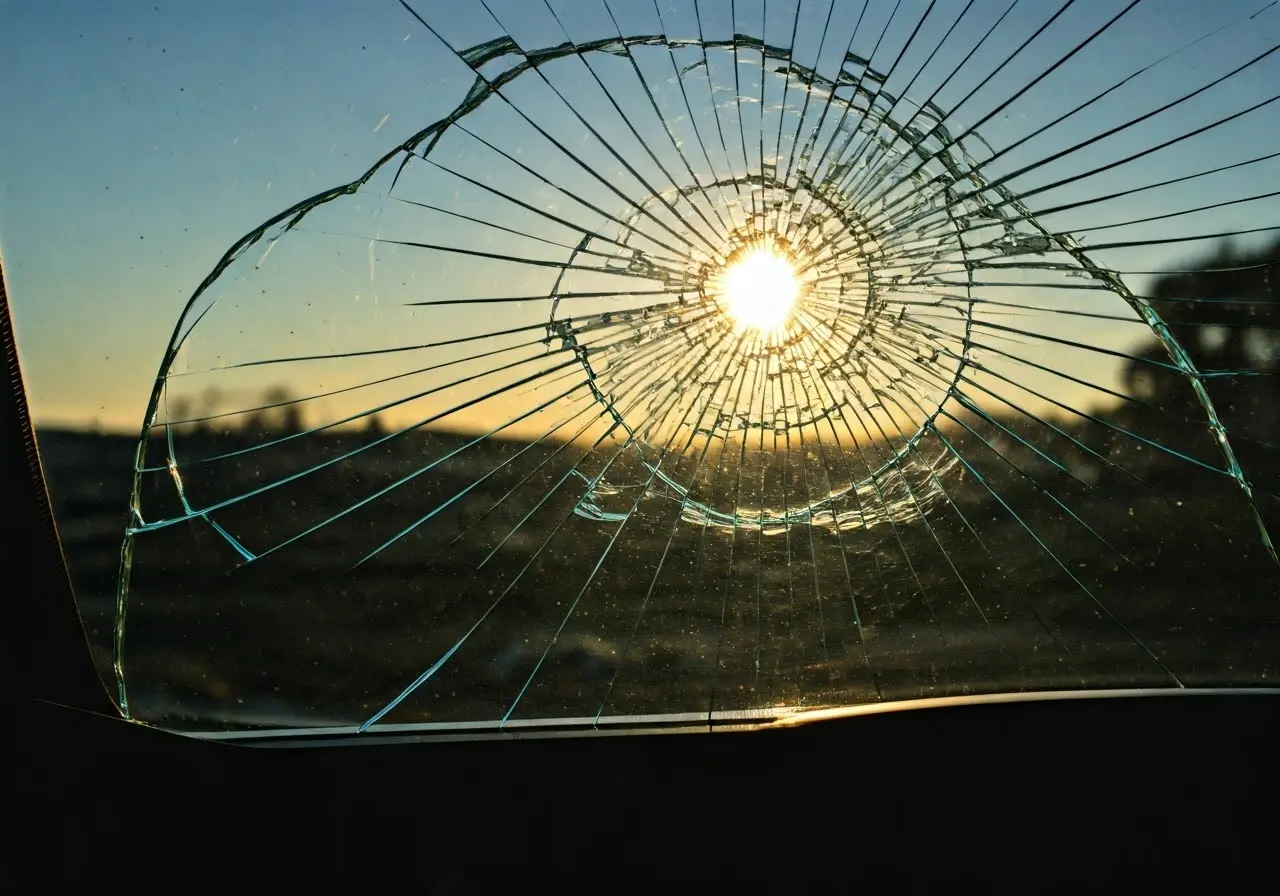
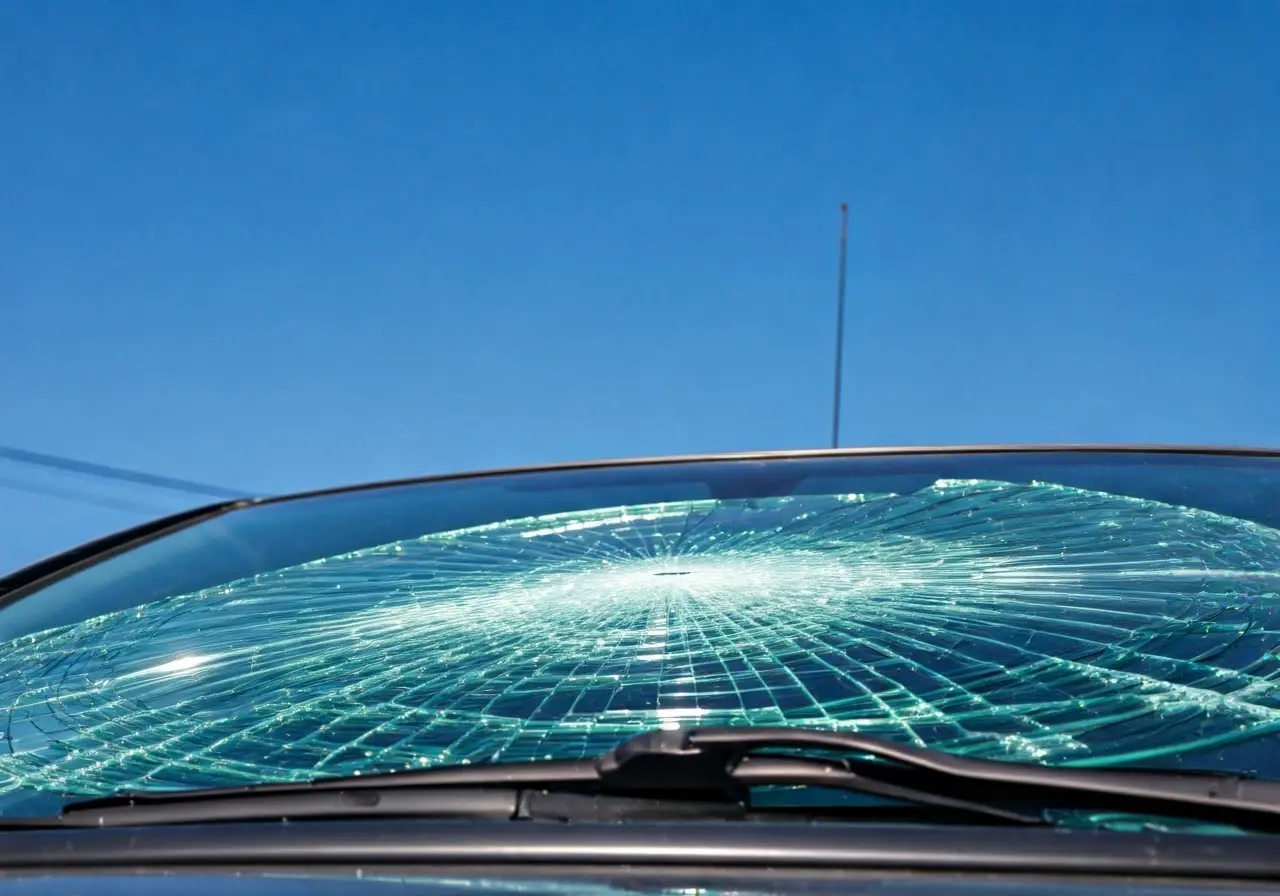
    A cracked windshield being replaced under a clear blue sky. 35mm stock photo

    1. Neglecting to Choose a Reputable Service Provider

    Choosing the right service provider is crucial for a successful windshield replacement. A reputable company will offer quality service, ensuring that the job is done right the first time. Many people fall into the trap of opting for cheaper or lesser-known services in the hope of saving money. However, this often results in substandard work. Trustworthy services, like those provided at Premier Windshield Replacement Scottsdale 2025, not only ensure proper installation but also offer warranties that protect your investment over the long term. Ensure that the service provider is certified and has a history of satisfied customers—this can be crucial in avoiding future headaches.

    When selecting a service provider, consider reviews and recommendations. Websites that offer customer testimonials can give you insights into the experience of others. Also, inquire about the certifications and training that their technicians possess. Companies that hire experienced professionals tend to invest in ongoing training to remain up-to-date with the latest technology and methods. This goes a long way in determining the quality of service you receive.

    2. Ignoring Weather Conditions

    Weather plays a significant role in windshield replacement. Avoid scheduling your replacement on extremely hot or rainy days to prevent improper adhesion of the new windshield. The climate in Scottsdale can be particularly challenging with its intense sun and occasional heavy rainfall, which can impede the curing process of windshield adhesives. Proper curing is essential for the long-term integrity of the windshield. Therefore, selecting a day with mild weather is advisable for optimal results.

    Though it might be tempting to get the job done at the earliest convenience, patience can save you from potential issues down the road. Consider planning your replacement on days when the temperature is moderate. If a replacement must occur in adverse weather conditions, ask the service provider how they plan to mitigate these effects. For example, some might use special adhesive formulations that are less sensitive to temperature changes or might take extra precautions to maintain the right environment for curing.

    3. Using Subpar Materials

    Always insist on high-quality glass and materials. Inferior products can lead to distortion, faster wear, and even safety risks. Using Original Equipment Manufacturer (OEM) glass ensures the best fit and durability for your vehicle. OEM glass is designed to match the exact specifications and quality of the original, providing optimal safety features such as support for the vehicle’s structural integrity and functionality like rain sensors and other technology integrations.

    Substandard glass can cause more trouble than it’s worth, leading to issues like poor visibility due to distortion, difficulty in defrosting during colder months, and increased vulnerability to damage from road debris. Investing in high-quality materials from the start means fewer replacements and repairs, saving you time and money in the long run. Reliable providers like Big Time Glass offer comprehensive guides on the importance of using quality materials.

    4. Rushing the Process

    Replacing a windshield takes time, and rushing the process can lead to errors. Allocate sufficient time to ensure that everything is done correctly and according to specifications. Often, service providers set expectations for completion times based on their workload and experience. Communicate with them to understand the duration needed and the specific curing process for adhesives involved. Hastening the process can compromise the effectiveness of the adhesive, and as such, it’s advisable to avoid demanding rapid service at the expense of safety and quality.

    Many individuals make the mistake of setting unrealistic timelines for this task, especially when they have busy schedules. A well-done windshield replacement requires patience, allowing time for measurements and fitting, and for the adhesives to set properly. Should an error occur due to rushing, the time and expense of a redo could far exceed the initial cost. It’s often more advantageous to understand and accommodate the timeline required for professional completion.

    5. Forgetting to Check for Leaks

    After installation, it’s essential to check for any potential leaks. Neglecting this step can result in water damage and compromise the integrity of your vehicle’s interior. When water finds its way through an improperly sealed windshield, it can lead to mold growth, electrical problems, and upholstery damage. Detecting leaks early helps prevent these costly repairs.

    A thorough inspection should be a standard procedure following any windshield replacement. Request your technician to demonstrate how they conduct leak tests—often using water-spraying techniques to simulate rain conditions. Being proactive by performing these checks in varying weather scenarios can catch issues that might not be immediately apparent, safeguarding your vehicle longer.

    6. Overlooking Insurance Coverage

    Ensure you understand your insurance coverage to avoid unexpected expenses. Familiarize yourself with the terms and what your policy covers in terms of windshield replacement. Many comprehensive coverage plans include windshield repair or replacement, sometimes without affecting your premium, considering the preventive aspect of maintaining auto safety standards.

    Before heading to a replacement service, it’s wise to contact your insurance agent to clarify the specifics of your policy. Knowing your deductible and out-of-pocket expenses helps mitigate financial surprises. Also, a replacement service can often work directly with your insurance provider to expedite claims and direct billing, making your experience smoother and more efficient.

    7. Not Allowing Proper Settling Time

    Your newly replaced windshield needs time to set. Avoid driving the vehicle immediately after replacement to allow the adhesives to properly cure. Depending on the adhesive product used, experts usually recommend a waiting period ranging from a few hours to a full day for optimal strength development.

    Proper settling time is critical for ensuring that the windshield is fully integrated into your car’s structure and offers maximum protection. Immediate driving post-replacement can pressure the windshield, weakening the seal and necessitating premature repairs. Always follow the guidelines provided by your technician to allow adhesives to become fully effective, thus preventing future issues.

    8. Skipping Post-Installation Inspections

    A post-installation inspection ensures that everything is in order. This step verifies the strength of the installation and checks that there are no lingering issues. Inspections help detect any minor discrepancies in the fit or seal of the windshield, giving the opportunity to address them before they escalate.

    Service providers committed to quality care, such as Big Time Glass, often include post-installation checks as part of their services to ensure customer satisfaction. By taking the time to conduct an inspection, you safeguard yourself against unforeseen complications, affirming the reliability of your new windshield.

  • 15 Auto Glass Maintenance Hacks Every Phoenix Driver Should Know

    15 Auto Glass Maintenance Hacks Every Phoenix Driver Should Know

    Driving around Phoenix, the intense heat and desert conditions can take a toll on your vehicle, especially the auto glass. Maintaining your vehicle’s glass is crucial for safety and ensuring a long-lasting, clear view of the road. Here are some essential hacks to keep your auto glass in top shape.

    A clean windshield reflecting a vivid sunset over Phoenix desert. 35mm stock photo

    1. Clean with Vinegar and Water

    This eco-friendly solution not only cleans but also repels water, ensuring clear visibility in unexpected downpours. When mixed in equal parts, vinegar and distilled water create a powerful, streak-free cleaning agent. Simply spray it on and wipe it off with a crumpled newspaper for that perfect shine. This method removes any mineral deposits left by hard water, ensuring a crystal-clear view. Moreover, using vinegar is a budget-friendly option and can be found easily in most homes, making it a go-to choice for many drivers.

    2. Regularly Inspect for Chips

    Tiny chips can grow into large cracks if ignored. Regular inspections help catch these early and save costly repairs. Scheduling a monthly review of your windshield can help you spot and address these issues promptly, saving both time and money. It’s also recommended to consult resources like Windshield Woes: What Every Car Owner Should Know to understand when a chip repair is sufficient versus a full replacement.

    3. Avoid Direct Sunlight While Washing

    Washing in the shade prevents streaks and spots caused by quick evaporation under the Phoenix sun. When washing your car, early mornings or late afternoons are the ideal times to avoid harsh sunlight. This ensures the cleaning agent doesn’t dry instantly, which can often leave unwanted patches and streaks. Moreover, it also helps in retaining the luster and integrity of your car’s paint and glass. Coupled with regular maintenance, this practice keeps your auto glass gleaming and flawless, reflecting your commitment to much-needed vehicle care.

    4. Use Microfiber Cloths

    These cloths are perfect for avoiding scratches and ensuring a lint-free finish on your auto glass. Microfiber is known for its soft texture, which is gentle on surfaces while still effectively cleaning them. Compared to regular towels, microfiber cloths can absorb more particles, including fine dust and stubborn spots, in a single swipe. This makes them indispensable in auto glass maintenance. Additionally, always keep one in your car for those impromptu cleanups, ensuring that your windshield is always spotless for whatever the road throws at you.

    5. Protect with a Sunshade

    A sunshade not only keeps your car cooler but also minimizes heat-induced damage to the glass. By blocking direct sunlight, a sunshade reduces the internal temperature of your car, preventing the dash and seats from becoming uncomfortably hot. It also helps in preserving the overall condition of the windshield by mitigating temperature-driven expansions and contractions that often result in cracks. Investing in a high-quality sunshade ensures long-term benefits and enhances the longevity and strength of your vehicle’s auto glass.

    6. Apply a Good Quality Sealant

    Sealants can protect against minor scratches and improve the overall durability of the auto glass. These products create a protective barrier against dust, dirt, and environmental pollutants, which are prevalent in Phoenix’s desert climate. By using a reputable sealant, you can enhance the hydrophobic properties of your glass, ensuring water beads off easily during rain. This not only maintains clarity but also reduces wiper reliance, which over time can cause additional stress to the glass. Moreover, reapplication every three months can safeguard your glass year-round.

    7. Park in the Shade Whenever Possible

    Minimizing exposure to direct sunlight helps prevent damage and discoloration over time. Finding a shaded spot reduces the internal temperature of your car, which protects both your auto glass and the interior fittings. Persistent sunlight exposure can lead to fading and even warping of certain materials. If shade isn’t available, consider using a car cover to offer that additional layer of protection. This simple act can significantly extend the life of your car’s glass, ensuring clarity and safety stay unimpaired.

    8. Avoid Slamming Doors

    Slamming doors can stress the auto glass, making it more susceptible to cracks. Over time, the repeated force can lead to microfractures around the edges of the windshield, which are often the starting points for larger cracks. These seemingly minor stresses can accumulate, jeopardizing the structural integrity of the glass. Cultivating a habit of gently closing doors not only preserves your car’s hinges and locks but significantly contributes to the longevity of your windshield. Encouraging passengers to do the same can further mitigate potential damage.

    9. Be Cautious with Temperature Changes

    Sudden shifts from hot to cold can weaken glass, so let your car adjust gradually to temperature changes. In Phoenix, the temperature inside a parked car can skyrocket. To avoid a sudden change, first roll down the windows slightly to equalize the pressure before turning on the A/C to full blast. Similarly, before turning on the heater, slightly warm up the interior. This careful adjustment prevents stressing the glass and minimizes the chances of it developing stress cracks or damage over time.

    10. Use a Windshield Cover

    Covers can prevent debris and serve as an additional layer of protection against elements. In areas with frequent dust storms or where larger debris might fall from trees or nearby construction, using a cover provides an essential shield. It acts as a barrier, safeguarding the surface from pitting, scratches, and even unwanted residues like bird droppings. Investing in a resilient, weather-resistant cover is a small price to pay compared to dealing with potential glass repairs or replacements, particularly in a harsh environment like Phoenix.

    11. Repair Chips Promptly

    Quick repairs stop further crack development, saving you from a complete windshield replacement. Repairing a chip is generally faster and less expensive compared to replacing the entire windshield. Services like Windshield Woes: What Every Car Owner Should Know offer insights into the importance of timely repairs. Moreover, attending to these small issues promptly also maintains the structural integrity of your auto glass, ensuring it remains a reliable safety barrier at all times.

    12. Check Wiper Blades Regularly

    Deteriorating wiper blades can scratch the glass, so regular checks and replacements are key. If you notice streaks or hear unusual sounds during use, it’s time for a replacement. Seasoned drivers in Phoenix know that intense sun exposure can quickly degrade rubber wiper blades. Investing in high-quality blades that resist cracking and are designed to withstand harsh sunlight can save you from potential damage and costly glass repairs.

    13. Avoid Construction Zones

    Loose gravel from construction sites can easily chip or crack your windshield, so avoid these areas whenever possible. Often, the debris kicked up by other vehicles can strike your glass with enough force to leave a mark. When construction areas are unavoidable, try lowering your speed and maintaining a safe distance from other vehicles to reduce the chance of rocks being thrown into your path. Simple awareness and strategic adjustments in your route can spare your windshield from untimely damage.

    14. Use Gentle Glass Cleaners

    Harsh chemicals can damage tints and gaskets. Opt for gentle, auto-specific cleaners instead. It’s essential not just for the longevity of the glass but also for your car’s environmental and interior health. Knowledge from experts at Proven Windshield Cleaning and Maintenance Tips suggest avoiding ammonia-based products which are known to ruin tints. Instead, consider pH-neutral or biodegradable products for cleaning duties, which keep visibility clear without compromising material.

    15. Regular Windshield Replacement Checks

    An expert can assess whether it’s time for a replacement, ensuring safety and quality. Regular visits to professionals for maintenance checks can reveal hidden damages and potential threats to your auto glass that might not be visible at first glance. You can glean insights from articles such as The Hidden Dangers of Ignoring Auto Glass Damage, which emphasize the importance of ensuring your auto glass supports the safety of your vehicle’s structure effectively. A timely replacement can thus avert larger issues.

  • 8 Steps to Ensure Perfect Windshield Calibration Every Time

    8 Steps to Ensure Perfect Windshield Calibration Every Time

    Ensuring your windshield is perfectly calibrated is crucial for your safety and driving experience. In this blog, we’ll break down the steps to achieve flawless windshield calibration, making it easy to understand and apply.

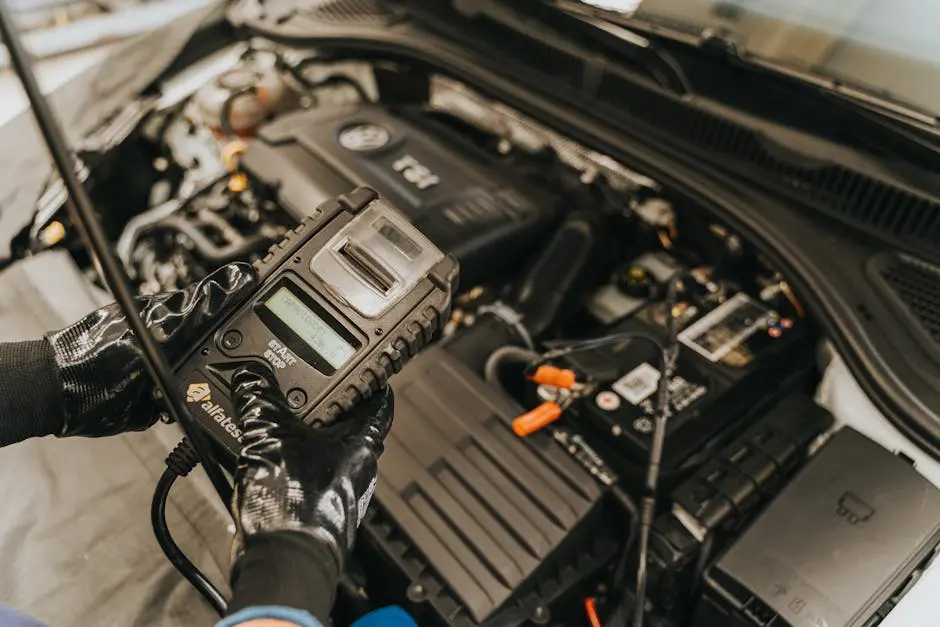
    Close-up of a technician calibrating a car’s windshield sensor. 35mm stock photo

    1. Understanding the Importance of Windshield Calibration

    Before diving into the steps, it’s essential to understand why windshield calibration matters. Proper calibration ensures the accuracy of advanced driver assistance systems and enhances overall vehicular safety. As cars become more advanced, systems like lane-keeping assist, adaptive cruise control, and collision avoidance rely heavily on precise sensor data. Any misalignment can render these systems ineffective or even dangerous, emphasizing the need for meticulous recalibration Expert Auto Glass Replacement.

    Windshield calibration also plays a significant role in maintaining your vehicle’s structural integrity. In the event of a collision, a properly calibrated windshield can help manage impact forces and protect occupants. Moreover, recalibrating your Advanced Driver Assistance Systems (ADAS) after a windshield replacement keeps these systems viable. According to Forbes, ignoring recalibration could lead to legal complications and safety risks in case of an accident.

    2. Preparing Your Equipment

    Before beginning the calibration process, gather all necessary tools and equipment. Having everything ready will streamline the process and ensure precision. Your calibration kit should include digital levels, specialized cameras, and manufacturer-provided software. Each component plays its part in achieving the precise adjustment required windshield Calibration.

    Additionally, make sure that all equipment is in good working condition. Faulty equipment can result in erroneous readings that compromise the calibration process. Always verify that the calibration software is up-to-date with the latest manufacturer specifications. Remember, preparation is as important as the calibration itself—don’t jump into the process without this critical first step.

    3. Selecting the Right Environment

    Calibration requires a controlled environment. Choose a suitable location with enough space and proper lighting to avoid any inaccuracies during the process. Ensure the area is free from obstructions that could affect sensor readings. Some professionals recommend conducting windscreen adjustments in enclosed areas to eliminate the effects of exterior variables like light reflection and wind ADAS Recalibration: Significance and the Step-by-Step Process.

    Furthermore, it is crucial to maintain a clean working space. Debris or dust can interfere with sensor accuracy, leading to misalignment. As a pro tip, make sure the car is on a level, stable surface to further increase calibration accuracy. These aspects might seem trivial, but overlooking them can seriously affect calibration success.

    4. Performing a Thorough Vehicle Inspection

    Inspect your vehicle to identify any potential issues that might affect the calibration. Look for damage or misalignment that could hinder perfect adjustment. Make sure that the windshield is free of cracks or chips which could impact the calibration’s accuracy. Pay close attention to any warning signals in the dashboard; they could indicate existing issues with the sensors that need to be addressed before proceeding.

    A rigorous vehicle inspection not only sets the stage for an effective calibration but also helps in identifying other maintenance issues that could affect vehicle safety. Check tire pressure and ensure that your vehicle is at optimal load conditions, as these factors may affect how the vehicle stands, influencing calibration results.

    5. Using the Calibration Equipment Correctly

    Understanding how to operate your calibration equipment is crucial. Follow the manufacturer’s instructions carefully to achieve the best results. ADAS systems rely heavily on accurate input from the camera and sensors, meaning that even small deviations can lead to significant operational errors.

    Most calibration devices come with software tailored to specific vehicle makes and models. Familiarize yourself with these to get comfortable with their operation. Complex calibration procedures might require the assistance of seasoned professionals to ensure everything aligns with manufacturer specifications Can I Drive Without ADAS Recalibration After a Windshield Change?.

    6. Detecting and Correcting Misalignments

    During calibration, you might encounter misalignments. Learn how to identify and correct these issues to maintain the accuracy of your windshield. Line up the sight of your sensors with known distances for determining whether adjustments are needed. Sensors displaying off trajectories indicate needed recalibrations in that direction.

    Use detailed calibration reports to identify persistent issues that might not be immediately apparent. Consult with your equipment’s diagnostic tools, which may provide insight into areas experiencing recurring misalignments. Accurate sensor data is vital, especially for cars with complex ADAS systems integrating additional features like pedestrian detection ADAS Recalibration: Significance and the Step-by-Step Process.

    7. Rechecking the Calibration Setup

    After making any corrections, recheck your setup to ensure everything is aligned perfectly. This step guarantees that no errors were made during the calibration. It involves retesting every single component of the calibration, a step that assures every sensor and camera is aligned precisely according to manufacturer specifications.

    Any deviation, even if minor, must be addressed promptly. Remember, technology and thoroughness go hand-in-hand. Even minor calibration errors can lead to significant disparities in ADAS functionality, resulting in unwanted consequences on the road.

    8. Conducting a Final Test

    Once all adjustments are made, conduct a final test to confirm the success of the calibration. This final check will ensure your windshield is perfectly calibrated and ready for safe driving. Perform static and dynamic tests, simulating on-road conditions to ensure the systems respond accurately and in real-time.

    Verification through simulated driving conditions is vital before considering the process complete. A smooth calibration translates into an enhanced driving experience, providing peace of mind and optimal vehicle performance. Make full use of the re-test features your systems offer to confirm consistency in results, ensuring safety as a priority windshield Calibration.

  • What Factors Determine the Cost of Windshield Repair?

    What Factors Determine the Cost of Windshield Repair?

    Windshield repair is a crucial maintenance task for maintaining vehicle safety and clarity of vision on the road. Many drivers are concerned about the potential costs involved, and understanding the different factors that influence these costs can help in budgeting and decision-making.

    Cars traveling on a desert highway near Young, AZ, with scenic desert views.

    Type and Severity of Damage

    The extent and nature of damage are primary determinants of repair costs. Minor chips and cracks, especially those smaller than a quarter, are typically easier and less costly to repair. When such small damages are handled quickly, it prevents escalation, ensuring that your windshield remains structurally sound without necessitating full replacement. Severe damages, such as long cracks or those that infiltrate critical zones of the windshield, often require a more extensive repair or complete replacement, thus increasing the cost significantly.

    As the damage severity increases, you not only face higher costs but also potentially longer repair times. Pros can determine if a repair is possible or if a replacement is imminent, ensuring both cost-effectiveness and safety. Consider consulting experts like Big Time Glass for a precise assessment on whether repair can safely mend your windshield’s structural issues.

    Vehicle Make and Model

    Different types of vehicles, especially luxury and classic ones, often have windshields that are more challenging and costly to repair. This is due to the unique dimensions and the specific material requirements that may not be as readily available as those for common vehicle models. For instance, vehicles equipped with cutting-edge features like Advanced Driver Assistance Systems (ADAS) typically have a more complicated repair process because of the recalibration needed for these systems after the windshield is replaced. This recalibration ensures the sensors, which are integral to safety systems, function properly post-repair or replacement.

    High-end vehicles might also necessitate OEM (Original Equipment Manufacturer) parts, which are generally more expensive than aftermarket alternatives. Understanding these factors can provide clarity when estimating repair expenses and ensure your car’s complex systems are safeguarded post-service.

    Method of Repair

    Choosing between repair and replacement significantly affects costs; repairs are often more affordable and less time-intensive. Repairing small chips can quickly restore the windshield’s integrity without the complete overhaul that a replacement entails. Nevertheless, replacement becomes necessary when repairs can’t maintain safety standards, such as when the damage is extensive or affects the stability of the vehicle’s frame.

    Understanding the pros and cons of each method helps tailor the decision to your specific situation. For expansive damages beyond the simple resin fix, exploring replacement options with a provider like Big Time Glass could ensure longevity and reliability of your vehicle’s windshield.

    Choice of Service Provider

    Selecting the right service provider is crucial. Practitioners vary in terms of expertise, certification, and service costs. Opting for certified professionals like those at Big Time Glass guarantees high standards and safety. Their commitment to excellence often includes warranties on repairs, enhancing value and signifying confidence in their workmanship.

    Comparing local services, like those listed in 15 Quick Tips for Choosing the Best Windshield Repair Service, allows you to evaluate the best balance between cost and quality. Professionals with high customer satisfaction ratings and certifications tend to provide economically efficient and safety-centric repair solutions.

    Insurance Coverage

    Insurance coverage can heavily influence repair costs. Policies that include glass repair often cover repairs in full or with a minimal deductible, alleviating financial strain. It’s important to understand the specifics of your insurance policy as some cover repairs without affecting premiums, while others might require cost-sharing, especially for replacements.

    It’s advisable to review and occasionally update your insurance terms regarding windshield repairs. High-tier policies might cover full replacements under certain conditions. Having clear insights into your coverage can guide you towards affordable solutions without compromising on quality or safety.

    Key Takeaways on Windshield Repair Costs

    Understanding these key factors can aid vehicle owners in anticipating and managing the costs of windshield repair effectively. By considering the damage type, vehicle specifics, repair method, and service provider, one can make informed decisions and potentially save both time and money.

  • When Is It Time for a Windshield Replacement in Scottsdale?

    When Is It Time for a Windshield Replacement in Scottsdale?

    Windshield damage can pose serious safety risks to you and your passengers. While minor chips and cracks might seem manageable, they can quickly escalate if not addressed. In this guide, we’ll discuss how to determine when it is time for a windshield replacement in Scottsdale, considering your locale’s unique conditions and what signs to look out for.

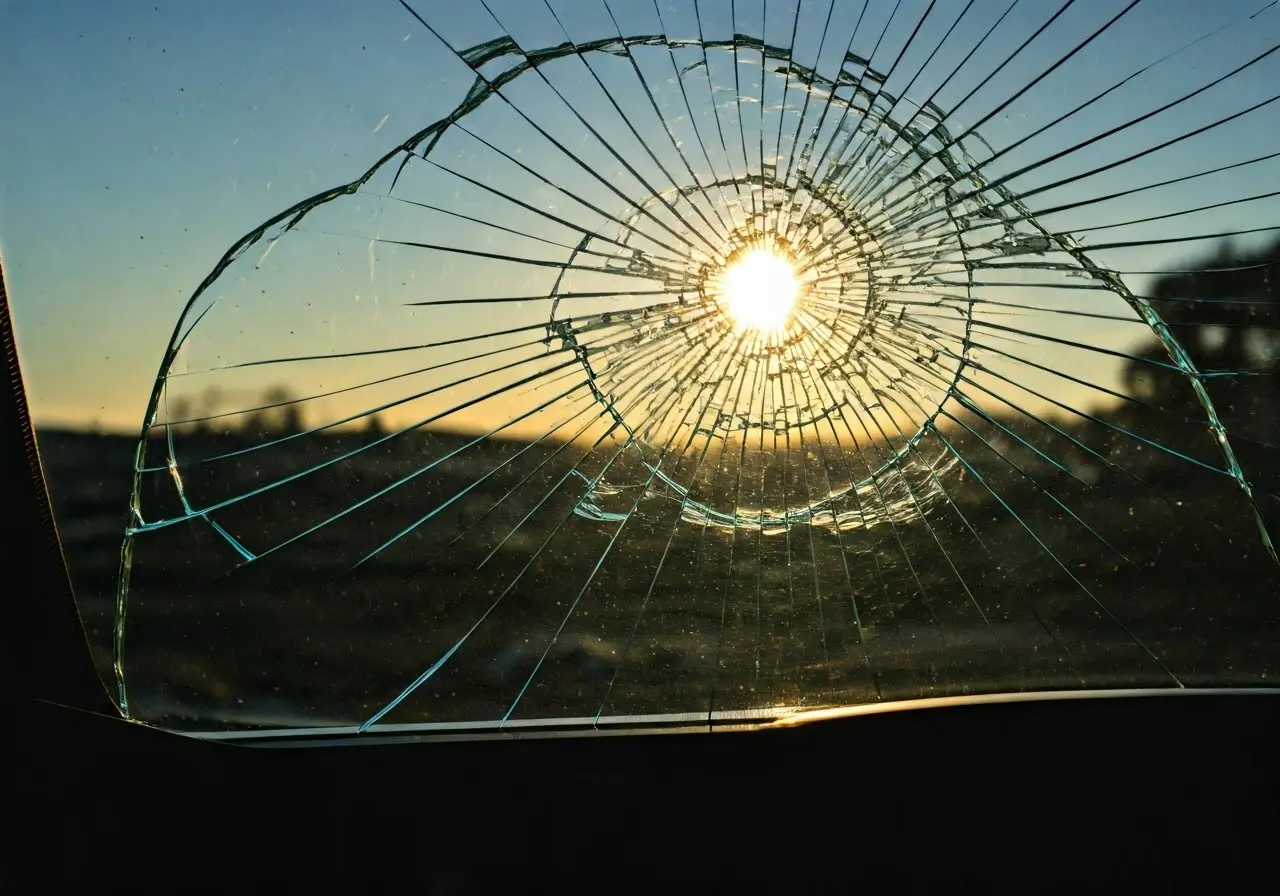
    A cracked windshield reflecting the Arizona desert landscape. 35mm stock photo

    Recognizing Signs of Damage

    When driving through Scottsdale, it’s essential to be vigilant about potential windshield damage. Small chips can rapidly expand into significant cracks, compromising your vehicle’s safety and your visibility on the road. Look for irregularities such as starbursts or bullseyes in the glass, which, if left unattended, could lead to complete windshield failure.

    Chips larger than a quarter or cracks that spread beyond three inches usually indicate that it’s time for windshield replacement. These dimensions suggest structural weakness that repair alone cannot adequately address. Additionally, if damage is in the driver’s line of sight or too close to the windshield’s edge, replacement is often the safest option.

    Understanding Local Conditions in Scottsdale

    Scottsdale’s unique climate, characterized by high temperatures and frequent sun exposure, can exacerbate windshield damage. The extreme heat causes glass to expand and contract, making even small fissures grow quickly. Furthermore, the desert terrain creates road conditions where debris flies easily, increasing the chance of initial chips.

    Frequent temperature fluctuations, such as those during sudden rainstorms or the cool of twilight, contribute to glass stress. This stress commonly leads to worsening cracks, driving many Scottsdale drivers to replace their windshields more frequently than their counterparts in milder climates.

    When to Opt for Repair over Replacement

    In some cases, repair is a valid option. Small chips that are less than an inch in diameter or cracks shorter than three inches can typically be repaired, restoring the windshield’s integrity. This option is often less costly and retains the original glass seal, which is ideal for maintaining the windshield’s fit.

    Assessing whether to repair rather than replace involves considering the location of the damage. If a chip or crack isn’t directly in the driver’s line of sight, a repair may not obstruct vision and can be a practical choice. However, frequent professional evaluations can help keep you informed and safe.

    Benefits of Timely Replacement

    Replacing your windshield promptly not only fortifies your vehicle’s safety features but also ensures compliance with legal standards. Driving with a compromised windshield could lead to citations or failure during vehicle inspections in Arizona.

    Beyond legal and safety implications, a new windshield provides clear visibility, reducing glare and distortion that even minor damages can cause. This clarity can significantly enhance driving comfort and reduce the likelihood of accidents.

    Choosing a Reliable Windshield Replacement Service in Scottsdale

    Selecting the right service provider guarantees quality and longevity for your new windshield. Look for trusted professionals like Big Time Glass, who offer high-quality products with lifetime warranties and ensure that replacements adhere to safety and fitment standards.

    Consider services that offer convenient options such as mobile replacement or free consultations. Understanding the full range of services available, like ADAS re-calibration, can further enhance your vehicle’s safety systems and assure seamless integration of modern technology in your automobile.

    Conclusion: Ensuring Safety with Timely Windshield Replacement

    Knowing when to replace your windshield can ensure your safety and prevent minor issues from becoming costly repairs. Regularly check for damages and consult with professionals for the best outcomes. In Scottsdale, prompt attention to windshield damage can make all the difference in maintaining safe driving conditions.

  • Exploring the Essential Role of Auto Glass in Vehicle Safety

    Exploring the Essential Role of Auto Glass in Vehicle Safety

    When we think about vehicle safety, our minds often jump to seatbelts, airbags, and anti-lock brakes. However, one crucial component that sometimes goes overlooked is the auto glass in our vehicles. From your windshield to the passenger windows, auto glass plays an integral role in maintaining safety by providing structural integrity and protection for passengers. In this blog, we’ll delve into the essential role of auto glass, examining its importance and how it contributes to overall vehicle safety.

    A car parked beside a tent at Lake Powell, perfect for a desert camping experience.

    The Structural Importance of Auto Glass

    Auto glass isn’t just there for aesthetics; it’s a key structural component of your vehicle. The windshield, in particular, provides up to 30% of a car’s structural strength. This means that it supports the car roof, especially in the event of a rollover accident, preventing the roof from caving in and reducing the risk of injury to passengers. Moreover, the auto glass aids in aerodynamics, enhancing the vehicle’s fuel efficiency by reducing drag The Role of Auto Glass in Vehicle Safety and Security.

    In addition to maintaining the vehicle’s integrity during accidents, auto glass acts as a protective layer against external elements. It shields passengers from debris, UV rays, and inclement weather. The strength of the windshield is vital during frontal impacts, where it works in conjunction with airbags to cushion and protect occupants. A compromised windshield can fail under pressure during an accident, underlining the necessity for maintaining its integrity through regular inspections and timely repairs.

    Windshield Technology and Safety Features

    Modern vehicles come equipped with advanced technologies such as rain sensors and auto-dimming mirrors, all integrated into the windshield. These features not only enhance convenience but also play a significant part in improving safety, enabling better visibility and response times under various driving conditions. Additionally, many vehicles are now equipped with Head-Up Display (HUD) technology, projecting important data like speed and navigation directions directly onto the windshield, allowing drivers to keep their eyes on the road Navigating the Future: Cutting-Edge Trends in Auto Glass.

    Another aspect of windshield technology is the integration with Advanced Driver Assistance Systems (ADAS). These systems often rely on cameras and sensors mounted on the windshield, aiding in lane departure warnings, automatic emergency braking, and traffic sign recognition. Proper calibration of these systems is critical after any windshield replacement to ensure optimal functioning, emphasizing how auto glass serves as the central hub for modern driving safety technologies.

    The Role of Side and Rear Auto Glass

    While the windshield often gets the spotlight, the side and rear auto glass also play critical safety roles. They are designed to enhance the vehicle’s aerodynamics and noise insulation while providing clear visibility. Moreover, tempered or laminated options help in preventing harmful shards from injuring passengers during an impact. Automotive safety standards mandate the use of tempered glass for side and rear windows, which shatters into small, rounded fragments rather than sharp pieces, reducing the risk of injury The Hidden Dangers of Ignoring Auto Glass Damage.

    In addition to safety, the side and rear windows contribute to the comfort of passengers by reducing heat and UV light penetration. Specialized tints and coatings can further enhance this protection, providing privacy and reducing glare. The rear glass, often equipped with a defroster, ensures clear visibility in cold conditions, emphasizing the comprehensive role of auto glass in passenger safety and comfort.

    The Importance of Timely Auto Glass Repair and Replacement

    Minor chips and cracks in auto glass might not seem urgent, but they can compromise the safety functionality of your vehicle. Timely repair or replacement is crucial, as damage can worsen over time, leading to bigger safety risks and higher costs. Tiny chips can expand into much larger cracks due to temperature changes, road vibrations, or simply the stress of everyday driving. Addressing these issues promptly can save you from costly repairs and ensure that your vehicle remains safe What Types of Auto Glass Problems Can Be Fixed?.

    Ignoring damaged auto glass can also lead to potential legal issues, as driving with a compromised windshield is illegal in many jurisdictions due to the risk it poses to both the driver and other road users. Insurance policies often cover windshield repairs, making it an accessible and cost-effective procedure. Regular maintenance and checks can help in identifying issues early, ensuring that the glass remains a reliable safeguard against external hazards.

    Understanding the Value of Auto Glass for Safe Driving

    Auto glass is more than just a clear shield against the wind and rain—it’s a vital part of your vehicle’s safety system. Keeping it well-maintained ensures that you’re not only driving in comfort but also in safety. By understanding the significance of auto glass, drivers can make informed decisions about repairs and replacements, leading to a safer driving experience for everyone on the road.

  • Safety Glass Myths Debunked: What Every Driver Needs to Know

    Safety Glass Myths Debunked: What Every Driver Needs to Know

    Safety glass is a fascinating topic that often comes with its own set of myths and misunderstandings. As drivers, understanding the truth about safety glass can help us make informed decisions about our vehicles. In this blog, we’ll tackle some of the most common myths surrounding safety glass and provide clear, straightforward explanations that every driver should be aware of.

    Orange Dodge Challenger sports car parked on a scenic Arizona desert road.

    The Origins and Evolution of Safety Glass

    To better understand safety glass, let’s first explore its origins and how it has evolved over time. Initially designed to reduce injury during accidents, safety glass has undergone numerous advancements to enhance its durability and effectiveness. Interestingly, the concept of safety glass dates back to the early 20th century when accidental discoveries led to innovations that revolutionized automotive safety. The primary motivation was the need to minimize injuries caused by sharp glass shards during vehicular accidents. Over the years, technology has advanced, leading to the development of laminated glass and tempered glass—each serving unique purposes based on their properties. The continuous evolution in this field ensures greater protection and safety for drivers and passengers alike.

    Laminated safety glass, for example, is composed of two layers of glass with a plastic layer sandwiched between them. This design helps prevent the glass from shattering into sharp pieces, keeping it contained within the frame of the windshield when it breaks. On the other hand, tempered glass is heat-treated to enhance its strength. When it does fracture, it breaks into small, pebble-like pieces that are less likely to cause injury. These innovations reflect how the industry constantly seeks to improve safety standards in response to growing automotive demands. Advances such as these make car windows and windshields more than just transparent barriers—they are now crucial safety components.

    Myth 1: Safety Glass Is Unbreakable

    A common misconception is that safety glass is completely unbreakable. However, while it is designed to be much stronger than regular glass, it is not invincible. The term ‘safety glass’ often leads drivers to believe it can withstand all forms of impact, yet even the most robust options can only endure so much force. The distinction lies in how the glass breaks. Traditional glass shatters into sharp, dangerous shards, while safety glass is engineered to break into less harmful pieces. This significantly reduces the risk of injury during an accident by maintaining its hold within the frame or collapsing into blunt particles. These breakage patterns showcase how safety glass prioritizes human protection by dispersing energy differently.

    Understanding these properties can help drivers better appreciate the value of safety glass in day-to-day life. In situations where rocks or debris come into contact with the windshield, the protective design of laminated glass keeps the interior securely intact, preventing objects from penetrating the cabin. This inherent strength does not imply indestructibility, though, which underscores the importance of prompt repairs. Tiny cracks, if left unattended, can gradually expand, compromising the effectiveness of the glass. Regular check-ups and immediate attention to any visible signs of damage are essential practices to sustain the protective attributes that safety glass inherently offers.

    Myth 2: All Safety Glass Is the Same

    Another prevailing myth is that all safety glass is identical. In reality, there are two primary types: laminated and tempered. Understanding the differences between these types can help drivers make better choices for their vehicles. Laminated glass, primarily used for windshields, combines multiple layers for enhanced security. This glass offers superior durability and withstands impacts more effectively, making it an ideal choice for portions of the car where visibility is critical.

    Tempered glass, often used for windows, is designed to increase safety by fracturing in a manner that reduces injury risk. It undergoes a special treatment to improve its toughness, and when it does break, the glass crumbles into small, rounded pieces instead of sharp, jagged shards. While both types of glass protect occupants, they serve different functions based on vehicle design needs and engineering constraints. Drivers often overlook such differences, potentially affecting their decision-making during repairs or replacements. Manufacturers specifically choose a type of safety glass for each application due to considerations around cost, weight, and impact resistance. When opting to replace or repair, consider discussing with your service provider to ensure the proper type of glass is being used for your specific automobile, thereby maintaining its structural integrity and your safety.

    Myth 3: Safety Glass Doesn’t Require Maintenance

    Some drivers believe that safety glass, once installed, is maintenance-free. This section will highlight why regular inspections are crucial and the steps you can take to ensure your safety glass remains in top condition. Just like other parts of your vehicle, the glass requires periodic check-ups to identify and address potential issues early on. Environmental factors such as temperature fluctuations, debris from the road, and even the pressure from windshield wipers can gradually wear down the integrity of the glass or exacerbate existing flaws. For example, extreme weather conditions can induce stress fractures that might not be immediately visible to the naked eye but compromise overall strength.

    Proper maintenance involves occasionally cleaning and inspecting for chips or cracks. Prompt repair of even the smallest chips is essential to prevent them from expanding into more significant damage. It may also be beneficial to consult professionals for regular evaluations, ensuring any imperfections are detected and addressed swiftly. It’s worth noting that some insurance policies cover auto glass repairs, making it a less daunting task from a financial standpoint. Ensuring the safety glass is fit, clean, and damage-free not only enhances clarity but also upholds the designed level of safety functionality.

    The Importance of Proper Installation

    Proper installation of safety glass is vital for its effectiveness. We delve into why professional installation matters and what drivers should look out for to ensure their safety glass is securely fitted. The installation process involves more than just placing glass into a frame. It requires precise application of adhesives and alignment to support the structural demands a vehicle has during regular operation and in collision events. Poor installation can lead to leaks, impaired visibility due to improper sealing, and even diminish the integrity of the glass during unexpected impacts.

    By choosing professional installations, like those offered by reputable auto glass services, drivers ensure that the windshield or window is aligned and secured properly, maintaining both appearance and functionality. Experts use quality adhesives and standardized procedures to match the specific dynamics of automotive stress points, which reduces the risk of malfunctioning over time. As advancements in auto glass technology progress, installations now often incorporate sensors for modern driver-assist features. Ensuring these components are correctly fitted is crucial for them to function acceptably. A well-installed windshield isn’t just a barrier against the elements; it’s a pivotal part of the vehicle’s safety net.

    Driving Away with Clarity

    Understanding the realities of safety glass is crucial for every driver. By debunking these myths, we hope to equip you with the knowledge necessary to make informed decisions about your vehicle’s safety features. Stay informed, drive safely, and don’t let myths steer you off course.

  • 7 Signs It’s Time to Replace Your Windshield

    7 Signs It’s Time to Replace Your Windshield

    Driving with a damaged windshield isn’t just a cosmetic issue – it’s a matter of safety. Windshields provide structural integrity to your car and are crucial in protecting you from debris, wind, and rain. Sometimes, the damage isn’t as obvious, and it can be tricky to know when it’s time for a replacement. So how can you tell if yours needs swapping out? Here are some signs to watch for.

    Sturdy off-road SUV parked on a dirt trail in Arizona with scenic mountain background.

    1. Visible Cracks or Chips

    Small cracks and chips might seem insignificant at first, but they can grow over time. These imperfections might compromise the strength of your windshield, especially if they’re located in certain areas. If you notice any cracks or chips, it’s best to consider a replacement before matters worsen. In fact, according to Premier Glass KC, visible cracks or chips are often a clear signal that it’s time for a new windshield to restore the vehicle’s structural integrity.

    Even the smallest crack can become a bigger problem, leading to potential safety risks by distorting your view. This is particularly worrisome when driving at night or in adverse weather conditions, where clear visibility is vital. Don’t wait until those small chips become expansive cracks—address the issue early to maintain the protection and clarity your windshield is designed to provide.

    2. Impaired Visibility

    When the road ahead is tough to see because of scratches or marks, it can become a serious safety concern. Impaired visibility can cause delays in your reaction time, making it crucial to ensure your windshield remains unobstructed and clean. These blemishes can scatter light and create glare, complicating your driving experience, especially during night-time or when sunbeams hit at certain angles. Regular checks and timely replacements can keep your view crystal clear.

    3. Missing or Troubling Seal

    The seal around your windshield is essential for keeping water out and holding the glass securely in place. If you notice water sipping in or see signs that the seal is loose or damaged, it might be time for a windshield replacement. Not only does this preserve your car’s interior, but it also safeguards the windshield’s stability. Ensuring the seal is intact can save you from bigger repairs and keep your vehicle secure in various weather conditions.

    Once compromised, the seal can allow moisture to accumulate, which may lead to rust and further erode the integrity of the frame. It’s a detail that, while seemingly minor, plays a crucial role in the functionality and safety of the entire vehicle. Prioritizing a check may help avoid extensive damages and maintain the windshield’s secure fit within the vehicle’s frame.

    4. Recurrent Fogging

    Fogging can sometimes occur due to a compromised windshield and can be more frequent or severe than usual. This issue could indicate micro-cracks or imperfections allowing moisture to seep in, exacerbating fogging issues. As a result, persistent fogging often leads to visibility concerns, where condensation blurs your view, creating a potential hazard if not addressed swiftly. Assessing whether your windshield or its installation is the cause can help tackle the root of the problem and restore clarity.

    To adequately tackle the problem, consider inspecting the area around your vehicle for potential causes like interior dampness or a malfunctioning defrost system. Fine-tuning these could prove beneficial; however, if your windshield is the persistent culprit as indicated by unusual fogging, replacement might be necessary to ensure safety.

    5. Poor Windshield Wiper Performance

    Windshield wipers rely on a smooth surface to effectively clear rain and debris. If your wipers aren’t working well despite being in good condition, the windshield itself might be the culprit. Over time, debris and minor scratches can affect how well wipers can clean, causing streaks or missed spots. Consider a replacement to ensure maximum performance of your wiper blades and sustain clear vision, crucial during rainy or snowy conditions.

    Moreover, constant resistance against an irregular surface might shorten the lifespan of your wipers, resulting in frequent replacements. Observing how well your wipers perform can be an indirect but significant indicator of potential windshield issues that need addressing.

    6. Rattling or Movement

    A windshield should fit securely within your vehicle’s frame. If you notice any rattling or movement while driving, it could mean your windshield isn’t properly secured, and a replacement might be necessary. This lack of fitment can be alarming as it could suddenly detach, creating considerable danger not only to you but to others on the road.

    Besides threatening personal safety, the rattling might be symptomatic of other structural issues stemming from deteriorating bonding agents or frame misalignment. Addressing these securely with proper windshield replacement ensures that such problems don’t escalate.

    7. Distorted View or Discoloration

    Sometimes, windshields can become discolored or provide a distorted view over time. This isn’t just an eyesore but can also impede your vision, especially in direct sunlight or against glaring headlights. Such distortions might indicate long-exposure wear or even manufacturing defects, making replacement necessary to maintain visual consistency and safety.

    In some cases, discoloration could be the result of prolonged UV exposure, altering the glass’s chemical composition and necessitating closer inspection. Seeking an expert opinion or evaluating the extent of damage could aid in determining whether replacement is justified, allowing you to maintain an uncompromised driving experience.

  • How Does Safety Glass Protect You in a Collision?

    How Does Safety Glass Protect You in a Collision?

    Safety glass is a crucial component in vehicle design, designed to protect passengers during collisions. It offers unique features that can significantly reduce injury risks. Let’s explore how safety glass serves as an essential safety measure.

    A blue Ford Maverick pickup truck in a serene desert landscape near Page, Arizona.

    What is Safety Glass?

    Safety glass is a type of glass processed to become stronger and safer than regular glass. A notable aspect of its design is how it includes features like laminated and tempered properties, specifically crafted to protect passengers. Interestingly, the development of safety glass was a fortuitous accident. In the early 1900s, a French chemist named Édouard Bénédictus discovered its properties when he dropped a flask coated with a plastic film and noticed it didn’t shatter. This discovery led to the widespread adoption of laminated glass in vehicles and buildings Discover the fascinating story

    The technology behind safety glass involves sandwiching a plastic layer between panes of glass, creating a more resilient structure. This construction is what prevents it from breaking into dangerous shards, a common outcome seen with untreated glass. It holistically influences how we safely interact with our environment, whether we’re inside vehicles or high-rise buildings.

    While not completely unbreakable, the incredible resilience of safety glass means that, upon impact, it holds together while absorbing energy. This minimizes the risk of injury from sharp edges and debris, highlighting its importance in accident scenarios.

    Types of Safety Glass Used in Vehicles

    There are two primary types of safety glass in vehicles: laminated glass and tempered glass. Each boasts unique benefits tailored for specific areas of a vehicle. Laminated glass, often used for windshields, is constructed with layers designed to hold together when shattered, providing strong resistance against impact and enhancing the vehicle’s structural integrity.

    Tempered glass, on the other hand, is designed to crumble into small bits when broken, reducing the potential for injury from sharp shards. Although it’s generally used for side and rear windows due to its robust and scratch-resistant nature, its structural strength also comes into play during collisions, safeguarding passengers from the hazards of large glass pieces.

    Choosing the right type of safety glass is pivotal to a car’s protective design. For instance, while laminated glass serves best in scenarios where impact retention is crucial, tempered glass shines in areas with higher exposure to daily wear and tear.

    How Does Safety Glass Work in a Collision?

    In the critical moments of a collision, safety glass plays an indispensable role. Its primary function is to retain its form or break in a controlled manner, thereby preventing cuts and bruises that traditional glass might cause. The innate design of automotive glass to shatter into tiny, blunt pieces rather than jagged shards reduces the likelihood of serious injury.

    The interlayers used in laminated safety glass absorb the impact energy during a collision, effectively mitigating the force that would otherwise harm the passengers. It’s a simple yet sophisticated use of physics to turn a potentially hazardous situation into a safer one.

    For an in-depth look at how these glass types are integrated into modern vehicles, we explore trends in auto glass technology, where innovation blends seamlessly with practicality, especially in the realm of safety.

    The Benefits of Safety Glass

    The advantages of using safety glass go beyond simply reducing the chances of injury during a collision. It strengthens the vehicle’s structure, providing critical support in accidents, particularly in rollovers where the windshield can prevent roof collapse. Beyond this, the use of laminated glass in vehicles also offers additional benefits such as UV protection and noise reduction.

    In times of a crash, the glass’s ability to remain intact or break into safe fragments greatly influences the post-crash environment inside the vehicle. Improved visibility during and after collisions helps occupants assess their surroundings and take prompt action for their safety.

    Furthermore, with emerging technologies in the auto glass industry, there is a push towards creating even smarter auto glass systems that enhance overall passenger protection and comfort. These advancements highlight just how crucial fine-tuning such elements can be in modern vehicle design.

    Future Innovations in Safety Glass Technology

    Looking forward, safety glass technology continues to evolve hand in hand with modern automotive design. Innovations such as smart glass, which adjusts to changing light conditions and can display information directly on the windshield, are changing the driving experience.

    The future also embraces eco-friendly solutions, including advancements in recyclable materials and sustainable manufacturing practices. These trends not only enhance vehicle safety but also contribute to environmental conservation.

    As we continue to navigate the latest trends in auto glass, incorporating technologies like Advanced Driver Assistance Systems (ADAS) further emphasizes the mutual growth of smart technologies and safety components, ensuring drivers and passengers benefit from these cutting-edge innovations.

    The Vital Role of Safety Glass in Vehicle Safety

    Safety glass is more than just a window to the outside world; it’s a protective barrier that plays a crucial role in safeguarding passengers during accidents. Understanding its importance and the technology behind it highlights why it’s an indispensable part of modern vehicles.

  • Windshield Replacement Scottsdale: Ensuring Your Safety on the Road

    Windshield Replacement Scottsdale: Ensuring Your Safety on the Road

    Driving with a damaged windshield is not just an inconvenience; it’s a safety concern. In Scottsdale, where driving is a part of daily life, knowing when and how to replace your windshield can be crucial. This guide simplifies everything you need to know about windshield replacement to ensure you’re safe on the road.

    A cracked windshield with a desert landscape in the background. 35mm stock photo

    Understanding the Importance of a Clear Windshield

    A clear and undamaged windshield is vital for visibility and the structural integrity of your vehicle. Not many drivers realize that their windshield serves more than just a visual function. It plays a crucial role in your car’s safety system, supporting up to 45% of the cabin’s structural integrity in a front-end collision. A sturdy windshield is fundamental in maintaining the vehicle’s structure during an accident, helping to ensure that airbags deploy correctly to offer maximum protection. Windshields are also designed to prevent passengers from being ejected in the unfortunate event of a crash. Furthermore, cracks or chips can distort your view and increase glare from sunlight and headlights, which can significantly affect your response times in critical situations. For those equipped with Advanced Driver-Assistance Systems (ADAS), the windshield houses sensors and cameras that need to be perfectly functional to maintain system accuracy. Understanding these roles highlights the importance of keeping your windshield pristine, not just for aesthetic reasons but for your safety and legal compliance as well.

    Common Causes of Windshield Damage

    From stray pebbles on the highway to extreme weather conditions, various factors can lead to windshield damage. One of the most typical causes is road debris such as small rocks and gravel which can be forcibly kicked up by the tires of vehicles ahead. This is why faster speeds on highways often result in more windshield chips and cracks. In addition to debris, weather plays a huge role. Sudden temperature changes, common in Scottsdale, can cause the glass to expand or contract, exacerbating existing weak points. Moreover, heavy storms can push branches and other elements onto or against your windshield with enough force to cause damage. Furthermore, improper installation or poor maintenance can also contribute to windshield weaknesses. Being mindful of these factors and driving cautiously in treacherous conditions can mitigate the risk of damage. An understanding of what commonly damages windshields can help motorists take preemptive steps, such as ensuring safe following distances from other vehicles and being cautious in severe weather conditions.

    When to Consider Windshield Replacement

    Not all windshield damages require replacement, but knowing the signs can ensure you make the right call. If a chip or crack is small and shallow, and is not in the driver’s line of sight, a repair might suffice. However, larger cracks, especially those spreading across the windshield, typically require a complete replacement. Significant cracks often indicate that the windshield’s structural integrity has been compromised, thereby posing a serious safety risk. According to the Pros & Cons of Windshield Replacement, failing to address severe damage may also affect how your airbags deploy. Legally, a windshield replacement might be necessary if damage obscures your view or does not meet state regulations. In Scottsdale, compliance with these regulations is crucial to avoid fines and ensure safe driving conditions. Regular checks can help, but if you’re uncertain about the severity of the damage, it’s wise to consult with auto glass professionals who can offer the right advice.

    Besides the size and location of the damage, consider the impact on technology features. Vehicles equipped with ADAS have their systems integrated with the windshield. Damage can result in misalignment or malfunction of critical safety technologies like lane departure warnings and adaptive cruise control. For this reason, any sign of serious damage where these systems are involved should prompt immediate replacement considerations. It’s essential to recognize that leaving windshield cracks unchecked could be illegal in many areas. According to an article on windshield repair, driving with these damages without addressing them in a timely manner might lead to both safety hazards and legal consequences. Thus, recognizing when a replacement is necessary involves not just assessing physical damage but also its broader implications on safety and legal obligations.

    Choosing the Right Windshield Replacement Service in Scottsdale

    With many options available, picking the right service for windshield replacement can be daunting. It’s key to look for services that offer not only high-quality glass but also experienced technicians who can ensure correct installation and calibration. The choice between Original Equipment Manufacturer (OEM) and aftermarket parts can influence both quality and cost. OEM windshields are made specifically for your vehicle model and are more likely to ensure an exact fit and maintain the intended engineering of your car. Consider services with comprehensive warranties, as this can provide peace of mind when it comes to future damages and costs associated with windshield care. Local establishments like Big Time Glass in Scottsdale offer trusted services with a lifetime warranty, emphasizing quality and reliability. They also provide mobile services, which can be incredibly convenient if your windshield is heavily damaged and reduces the hassle of taking your vehicle to a shop.

    Customer reviews and recommendations can also provide insight into a company’s reputation and reliability. Transparency in their processes, upfront pricing, and customer service are all part of an ideal customer experience. Additionally, assess whether the service includes recalibration for ADAS systems, as this is crucial for maintaining your vehicle’s safety systems post-replacement. Many modern vehicles rely on precise calibrations, which can only be achieved through specialized equipment and skilled technicians. Inquiring about the service provider’s approach to sustainability and the environment can also be a deciding factor, as responsible disposal of old windshields is important for ecological reasons. Evaluate their commitment to community standards and quality, and don’t shy away from asking detailed questions before settling on a service. Choosing a local service that matches all these criteria ensures peace of mind and vehicle safety.

    The Windshield Replacement Process Explained

    Get a step-by-step guide to the windshield replacement process, so you know what to expect and how to prepare your vehicle for the service. The first step typically involves assessing the damage in detail, which can be done by the professionals who will carry out the replacement. They’ll check the extent of the crack or chip to confirm whether a replacement is necessary. After assessment, once you’ve scheduled your appointment, the vehicle is prepped for the removal of the damaged windshield. This process involves carefully removing all elements that hold the windshield in place, followed by steering clear of damaging the vehicle’s paint or interior. The windshield is then removed with utmost care to prevent glass shattering. Before fitting the new windshield, the technicians will clean the mounting area and apply a special adhesive to align the windshield perfectly.

    Once the windshield is in place, the adhesive needs time to settle to ensure a secure fit, also known as the ‘curing’ process. Depending on conditions, this process may require the car to sit for a few hours. Post-cure, the experts perform a thorough check to ensure the new windshield is correctly installed and meets safety standards, especially if the vehicle is equipped with ADAS. Calibration of these systems is often the next step to ensure everything functions as intended. Understanding this whole process allows car owners to plan accordingly, knowing the time and resources needed. Reliable services often provide you with a detailed breakdown of each phase, so always reach out to your provider for specifics. A well-replaced windshield is not only clear for visibility but offers reinforced safety, optimal vehicle performance, and peace of mind for every journey.

    Your Safety is in Clear View

    Keeping your windshield in top condition is essential for your safety while driving. Whether it’s a small crack or extensive damage, knowing when and how to address these issues can save you from more significant problems down the line. Prioritize your safety by understanding the importance and process of windshield replacement in Scottsdale.

  • 12 Myths About Windshield Calibration You Need to Know

    12 Myths About Windshield Calibration You Need to Know

    Windshield calibration is one of those car-related topics that might seem a bit technical at first glance. However, understanding its significance doesn’t have to be a daunting task. In this article, we will debunk some common myths surrounding windshield calibration and shed light on the facts you should be aware of.

    Red leather luxury sports car interior with mountain backdrop outside the window.

    1. Calibration is Only Necessary After Replacing the Entire Windshield

    Contrary to popular belief, windshield calibration may be required even if only minor repairs are made or if the camera has been disturbed. This ensures that your vehicle’s safety systems are working as intended. Read our guide on when repair or replacement is necessary to maintain safety and clarity on the road.

    It’s a common misconception that calibration is a formality only after full windshield replacement. In reality, even small disturbances to the windshield can displace sensors, affecting safety features like lane departure warnings and automatic braking systems. Ensuring that these are recalibrated can protect you and others on the road. As technology advances, the precision of these systems becomes more integral to driver safety. There’s no such thing as a ‘minor’ misalignment when it involves your safety.

    2. It’s Just a Waste of Money

    Many think windshield calibration is an unnecessary expense, but it plays a crucial role in the effectiveness of your car’s safety sensors. Skipping this vital process could compromise your vehicle’s safety features. Safety features like collision sensors and adaptive cruise control rely heavily on accurate calibration to function optimally. Windshield calibration is similarly important, where the condition of your windshield and the functionality of these systems are directly linked.

    In today’s world, ignoring the importance of calibration can lead to greater expenses down the line. Imagine a scenario where a poorly calibrated system fails to notify you of an approaching vehicle—this could result in costly repairs and even insurance complications. Educating oneself about the significance of calibration and preparing for the associated costs ensures not just safety, but also potential financial savings.

    3. Any Mechanic Can Perform Calibration

    While it’s tempting to go to your usual mechanic, not every technician has the right tools or knowledge to perform windshield calibration. It requires specialized equipment and expertise, often found at certified facilities. Calibration isn’t a process that can be guessed; it revolves around precision. Certified experts adhere to manufacturer specifications, ensuring that your vehicle’s safety systems operate correctly. Visiting professionals like Big Time Glass means accessing experienced technicians committed to the safety of your vehicle.

    Many shops offer repair and replacement services but lack the technical equipment necessary for proper calibration. These facilities need advanced tools capable of adjusting precise sensor angles and positions. Professional assessments ensure that all the angles and sensors are perfectly aligned, guaranteeing the comprehensive operation of your safety systems.

    4. Modern Cars Don’t Need Calibration

    Despite advanced technology, even modern vehicles require periodic calibration. This is vital for maintaining the accuracy of their driver assistance systems. Modern cars are equipped with more sophisticated features than ever before. These include complex radar and camera systems that are integral to automatic emergency braking, lane-keeping assistance, and blind-spot detection functionalities. There’s a common myth that such cars self-calibrate, but in reality, these systems rely on adjustments performed by specialists.

    As advanced as today’s technology gets, dependency on rough or self-adjusting systems without professional oversight may lead to failure. According to experts, this misunderstanding could affect even new model vehicles if the driver assistance systems aren’t kept accurately calibrated. These systems are pivotal in preventing accidents and improving driver awareness, continuously requiring verification and adjustment over time.

    5. Insurance Doesn’t Cover Calibration

    Some believe that insurance policies don’t include windshield calibration, but many policies do cover this service as it’s essential for vehicle safety. Ensuring you have the proper coverage could save you unexpected expenses. Verifying your coverage with your provider can immediately alleviate potential costs associated with calibration. It’s advisable to consult your insurance provider and read into the specifics of your policy, as many cover this crucial service.

    Insurance companies understand the importance of properly calibrated systems in preventing further damage or accidents. Many insurance covers support safe driving by including these crucial services as part of their comprehensive plans. Therefore, it’s worth reviewing your policy and discussing available options with your insurer to incorporate calibration into your coverage.

    6. Calibration is Quick and Easy

    It might seem like it could be a quick fix, but proper calibration can take significant time to ensure it’s done correctly. Each vehicle may have unique requirements that need attention. The complexity of calibration is a testament to its significance. Technicians spend time verifying each sensor and camera’s angle, often requiring specific environmental settings to conduct the process adequately. The intricate procedure ensures that the vehicle’s safety systems perform with utmost precision.

    7. The Old Calibration Should Still Be Good

    People often assume that the last calibration is still effective. However, even small changes to the windshield or camera angle can necessitate a fresh calibration. Like a musical instrument that goes out of tune, your vehicle’s sensors need regular checks and adjustments. Understanding that it’s not a one-time fix maintains the reliability of your advanced technological systems. Routine calibration ensures the seamless operation of features like collision avoidance and lane-keeping assistance.

    8. DIY Calibration is a Viable Option

    While DIY might work for some repairs, windshield calibration should be left to professionals. Improper calibration can jeopardize all advanced driver assistance systems in your car. There are intricate steps involved in calibration which require a precise understanding of your car’s engineering. Attempting it on your own may not only void your warranty but can significantly compromise safety, leaving critical systems misaligned or inoperative.

    9. Calibration Errors Are Immediately Noticeable

    Mistakenly, many believe that any problem with calibration becomes immediately obvious. However, errors can be subtle yet critical, affecting systems without any visible sign. An unnoticed misalignment could mean the difference between a function working perfectly or failing during a crucial moment. Professional checks aim to catch these subtle errors long before they manifest into bigger problems. Advanced systems in vehicles continue to evolve, and it’s important to have reputable services like Big Time Glass assess them for longevity and safety.

    10. All Calibrations Are the Same

    Not all cars are designed equally, and neither are calibrations. Each vehicle model demands specific calibration tailored to its unique systems and specifications. Calibration isn’t a one-size-fits-all procedure—different manufacturers employ varying technologies, requiring distinct processes. This specificity highlights the importance of having a trained technician who understands model-specific needs perform the calibration. Tailoring the process ensures that every aspect of the vehicle’s technology functions impeccably.

    11. It’s an Overhyped Process

    The importance of calibration might be understated. It plays an essential role in ensuring that the car’s safety features function properly, which can make a difference in critical situations. In high-risk scenarios, correct sensor function can provide essential alerts and alerts to prevent accidents. Therefore, embracing the process without undermining its importance is crucial. An adequately calibrated system could potentially save lives, validating the role that windshield calibration plays in vehicle safety.

    Calibration might seem excessive to some, but ensuring the precise operation of driver-assistance systems is paramount for safety on the road. It’s not just about maintaining technology but about enhancing driver control and vehicle responsiveness. By recognizing it as a proactive approach to automotive care, calibration transforms from an ‘add-on service’ to an urgent necessity for the responsible vehicle owner. Trusting in experts allows you to be confident in your vehicle’s safety features working perfectly together.

    12. No Effect on the Resale Value

    Skipping calibration may seem harmless, but properly calibrated systems can potentially enhance your vehicle’s resale value due to the assurance of well-maintained safety features. When car buyers assess a used vehicle, the state of its safety systems often influences their decision. A documented history of precise maintenance, including regular calibration, reflects the care and consideration an owner has provided. Vehicles with accurately functioning safety systems typically garner more interest and value in the used car market.

    Like regular engine check-ups and oil changes, calibration becomes part of the dealership’s value proposition to potential pre-owned car buyers. It demonstrates an adherence to safety and optimal performance without compromise. By committing to keeping these systems correctly calibrated, you’re not just investing in current peace of mind but also ensuring future returns when it’s time to upgrade your vehicle.

  • 15 Myths About Windshield Repair You Should Stop Believing

    15 Myths About Windshield Repair You Should Stop Believing

    Windshield repair is a crucial aspect of vehicle maintenance, yet it’s shrouded in myths and misconceptions. These myths often lead to costly decisions or neglect of necessary repairs. We’re here to debunk some common myths and help you make informed choices about your car’s windshield.

    A person relaxes by their car under a starry night sky, capturing tranquility.

    1. A Small Crack Isn’t Worth Fixing

    Many believe that small cracks or chips don’t need immediate attention, but even minor damage can spread and compromise the integrity of your windshield. A small blemish from road debris may seem insignificant at first, but factors like fluctuations in temperature or further impact from debris can cause these to worsen rapidly. Over time, what began as a tiny chip can develop into a web of cracks, clouding your field of view and even leading to a full-blown break that demands an expensive replacement. Addressing these issues promptly with a professional windshield repair can prevent further damage, saving you time and costs while maintaining safety standards.

    Temperature fluctuations, particularly in places like Arizona, can exacerbate even minor chips, turning them into large cracks. This occurs because glass expands and contracts with temperature changes, causing stress on already weak areas. It’s essential to understand that taking action early on is crucial to preventing escalated damage that can impair your visibility and safety.

    2. DIY Kits Are Just as Good as Professional Repairs

    While DIY kits might seem like a cost-effective solution, they often lack the quality of materials and expertise that professional repairs offer. These kits, available at most auto parts stores, may appear attractive for the short-run savings they promise. However, they often fall short due to their subpar materials and the skill they require to apply successfully. A botched DIY repair can lead to further glass destabilization, ending up as a more expensive issue should professional intervention be needed later on.

    Professional repair services ensure the job is done correctly with high-quality products and expertise. Certified technicians use advanced resins and techniques to fill and seal cracks, restoring the glass’s integrity without leaving noticeable blemishes. DIY kits, lacking advanced technology and expert handling, might only provide a temporary solution without addressing underlying issues comprehensively. Relying on experts guarantees that repairs will not only be effective but also uphold the aesthetic and safety features of modern windshields.

    3. Windshield Repair Is Expensive

    Repairing a windshield is often more affordable than replacement, and many insurance policies cover the cost of repairs fully. Compared to full replacements, repairs only amount to a fraction of the cost, often averaging between (70 to )150 depending on the severity of the damage and the extent of repair necessary. Insurers often prefer to cover repair costs instead of replacements since it saves them money in the long run. As opposed to replacement, which can soar up to $1000 or more for some models with advanced features, a quick fix could be all you need.

    Insurance involvement can further ease the financial burden. Many policies even exclude repairs from counting towards deductibles, providing a cost-neutral solution for minor damages. By opting for a repair sooner rather than later, you can prevent larger costs incurred from untreated damage, maintain your vehicle’s roadworthiness, and keep your insurance premiums stable.

    4. All Damage Requires a Full Windshield Replacement

    Not every crack or chip warrants a full replacement. Often, small to moderate damage can be efficiently and effectively repaired. Factors like the length and position of the damage play key roles in evaluating whether a repair will suffice. Usually, damage smaller than a quarter and situated away from the driver’s direct line of sight can be perfectly restored.

    Replacement is reserved for more severe cases, such as when large cracks cross into the driver’s line of sight or when the windshield is riddled with multiple chips. Knowing the distinction is crucial and consulting with professionals like Big Time Glass can provide clear guidance on the best action. Experienced technicians use precise methods to determine the security and aesthetics of a repair versus replacement, ensuring safety is uncompromised.

    5. I Can Wait Until the Damage Gets Worse

    Delaying repairs can cause dirt to infiltrate the crack, making repairs more difficult and possibly necessitating replacement. Small chips, if left unaddressed, act like open sores, collecting water and debris that can impede the proper bonding of repair resin. Moreover, consistent exposure weakens the structural integrity of your windshield over time.

    The key to effective windshield maintenance is promptness. Addressing a chip at its earliest stage prevents further degradation and saves both money and hassle in future complications. Weather patterns, road conditions, and even mechanical vibrations from regular driving contribute to cracks widening or new ones forming. Consulting with professional repair services promptly assures that your windshield remains a resilient barrier against external elements.

    6. Windshield Repair Is Only Cosmetic

    Contrary to this belief, windshield repair enhances structural stability and ensures visibility by preventing damage from spreading. Your windshield bears significant weight and serves as a protective shield. It’s a critical component that maintains the vehicle’s structural integrity during an accident, besides just providing you with a clear view of the road.

    Repairs not only aim at mending the aesthetic appeal of your windshield but reinstate its core functionality in safeguarding against impacts. Unrepaired chips can soon become cracks, weakening the glass and creating an entry point for further cracks. Professionals understand the significance of returning both form and function to the windshield through adept handling of repairs, thus ensuring your driving safety is uncompromised.

    7. My Insurance Will Go Up If I File a Claim

    Most insurance companies do not increase rates for windshield repair claims since they prefer paying for repairs over replacements. The perception that any claim will inflate your premium is a deterrent for many, yet insurers see the benefit in supporting repair over replacement. Policies often cover repair costs entirely or apply them against a zero to minimal deductible, incentivizing safety and proactive maintenance.

    Engaging with your insurance provider helps clarify any uncertainties and assure you of the benefits available without premium hikes. Understanding this can streamline your decision to proceed with necessary repairs, knowing the financial implications are minimal in comparison to the potential costs of neglecting windshield damage.

    8. Repairing My Windshield Isn’t Safe

    Professional repairs restore the strength and clarity of your windshield, ensuring it remains safe and reliable. Mastering the techniques and technologies involved in windshield repair is a hallmark of certified services. They employ high-grade resins and tools designed to effectively fill and bond cracks, ensuring seamless integration with the remaining glass structure.

    The perception that repairs might be ineffectual or compromise safety is unfounded. Certified technicians adhere to stringent safety regulations and industry standards, confirming the resilience of repaired windshields to withstand everyday stressors. Properly executed, a repair fortifies the windshield against further incidents and maintains its role as a critical safety feature of your vehicle.

    9. Any Auto Shop Can Handle Windshield Repairs

    Specialized services have the tools and expertise required to perform high-quality windshield repairs compared to general auto shops. These specialists focus extensively on auto glass, equipping them with numerous proprietary materials and advanced methods tailored to deliver the best results. They offer unique insights into optimal repair strategies that cater to various types of damages.

    Choosing a specialized provider like Big Time Glass ensures that your windshield gets the highest quality care available. They come equipped with industry-grade facilities and stay informed of evolving repair technologies, methods, and guidelines, providing services that general auto shops may not offer. Requesting their expert services guarantees a repair that correctly restores your windshield’s look and strength.

    10. Windshield Repair Takes Too Long

    Most professional repairs can be completed in under an hour, making it a convenient choice for car owners. The process involves meticulous cleaning of the damage site, resin injection, and curing, allowing for a quick turnaround with minimal disruption to your schedule. Compared to replacements, which involve removing and installing new glass, the efficiency of repairs stands as a major benefit.

    Mobile repair services further enhance convenience by bringing expert care right to your doorstep, eliminating the need to drive to a repair shop. For busy individuals, this option fits seamlessly into their lifestyle while ensuring their vehicle receives the required attention promptly. Reputable service providers prioritize swift yet thorough repairs, ensuring that your windshield is cleared of blemishes while maintaining full functionality in no time.

    11. Repairs Leave Noticeable Marks

    With the latest technology, most repairs are nearly invisible and ensure that your windshield looks as good as new. Advanced repair techniques focus on blending the resin into the glass with precision, negating the possibility of visible scars or defects post-repair. Such methods valiantly aim for aesthetic continuity, ensuring your windshield remains visually unchanged after the procedure.

    Professional services employ state-of-the-art equipment and materials designed specifically for clarity. By opting for expert repairs, you rest assured that your windshield won’t bear unsightly marks, cracks, or discoloration. Trusting experts ensures an immaculate finish, maintaining both the look and the safety features your vehicle relies upon.

    12. Not All Cracks Can Be Repaired

    Many cracks, especially those smaller than a dollar bill, can often be repaired successfully, restoring windshield integrity. The misunderstanding that all cracks lead to inevitable replacement can lead to unnecessary expenses and actions. Fortunately, repair technologies have evolved, allowing certified professionals to handle more extensive types of damage than previously possible.

    Specialized assessment determines the repairability of each crack, considering its location, length, and susceptibility to spread. Professionals guide appropriate action based on these factors, with repairs often saving both windshield integrity and your wallet. Ensuring immediate evaluation by experts maximizes chances of a successful repair, preserving your windshield and avoiding premature replacement.

    13. It’s Better to Replace Than Repair

    Repairing is often more economical and equally effective in maintaining the windshield’s functionality and appearance. Opting for repair is not merely a cost-saving measure but one that preserves the integrity of the original installation. Repairs maintain the tight seal originally engineered for your vehicle, ensuring ongoing performance and safety beyond just addressing immediate visual concerns.

    Professionally conducted repairs save valuable resources and maintain your vehicle’s design specifications. By forgoing unnecessary replacements, repairs uphold environmental sustainability and maintain manufacturer settings crucial for features like ADAS systems, potentially affected by windshield changes. Consulting experts simplifies decision-making, as they outline the best solutions for preserving your vehicle’s integrity and utility.

    14. Windshield Replacement Is Quick and Easy

    Replacement is more complex and time-consuming compared to repairs, and it involves higher costs and longer curing times. Taking out the old glass and precisely aligning the new windshield necessitates expert care to ensure safety is not compromised during the process. Curing—where adhesives set and seal the windshield securely—takes additional time, requiring avoidance of disturbances beforehand.

    Despite being sometimes warranted, replacements involve significant time and financial investments relative to repairs. They often necessitate recalibration of related systems, further extending turnaround times and costs. Weighing these factors, when possible, repair stands as the more pragmatic choice, promising prompt resolutions without the extensive commitment of time or financing required for replacements.

    15. Waiting for Multiple Chips or Cracks Is Wise

    Addressing chips or cracks immediately prevents further spreading and ensures safety without waiting for compounded damage. The rationale to delay action until serious problems arise only precludes strategy, potentially resulting in greater costs and increased safety risks later on. Small chips act as vulnerabilities, developing into extensive cracks under stress or impacts.

    Taking timely action amplifies windshield longevity and enhances safety dramatically by counteracting incremental detriments. Early interventions by professionals stop damage before it necessitates broader action. Understanding factors like Arizona’s environmental challenges in the blog Can Windshield Repair Be Done in My Driveway in Arizona? solidifies the need for immediate care upon detection of any minor intrusion on your windshield.

  • 9 Questions to Ask Before Car Windshield Replacement

    9 Questions to Ask Before Car Windshield Replacement

    Replacing your car’s windshield can be a daunting task if you’re not sure about what to expect or what questions to ask. Whether you’re facing a small crack or a widespread breakage, making informed decisions can save you time and money. Here are some essential questions to guide you through a successful windshield replacement experience.

    White luxury car drifting on a dirt road, creating a dramatic dust cloud under a blue sky.

    1. What Types of Windshield Glass are Available?

    Understanding the types of glass available for windshields can impact your choice significantly. Consider whether you need OEM (Original Equipment Manufacturer) glass, which meets original specifications, or aftermarket glass, which can be more affordable. While OEM glass guarantees a perfect fit and quality similar to your original windshield, aftermarket glass might offer a cost-effective solution without compromising too much on quality. It’s essential to weigh the benefits of each option, considering factors like durability and vehicular specifications. Furthermore, the safety features integrated into your windshield, such as noise reduction and UV filter capabilities, must also be considered. Consulting with services like Big Time Glass can provide clarity on choosing the right type.

    The choice between OEM and aftermarket glass might also be dictated by your vehicle’s technology. For example, modern cars often incorporate Advanced Driver Assistance Systems (ADAS) that rely heavily on windshields for optimal functionality. Opting for a windshield compatible with these systems is crucial. Advancements in Windshield Technology detail why an exact match might be necessary for integration with existing technologies in your car. Be sure to discuss these points with your provider to ensure your selection supports your vehicle’s safety and functionality fully.

    2. How Severe is the Damage?

    Before committing to a replacement, assess the severity of the damage. A small chip might just need a repair, while extensive cracks often necessitate a full replacement. Decoding the extent of damage is not only about visible cracks but also about understanding potential risk factors. Factors such as temperature fluctuations, collision impact, and structural stress can escalate what appears to be minimal damage into significant issues over time. Professionals can evaluate whether your windshield is compromised and determine if it’s a candidate for repair or must be fully replaced. Services like Big Time Glass highlight these distinctions, ensuring that you’re making an informed decision.

    Moreover, making an accurate assessment requires knowledge of how cracks expand. What starts as a simple blemish can spread rapidly given conditions like moisture or dirt infiltration. As insurance often covers minor windshield repairs, it becomes even more crucial to address these issues early on. Identify the specific damage and consider professional insights to avoid costly future replacements. Choosing the right option not only ensures your immediate safety but also maintains your vehicle’s long-term integrity.

    3. How Long Will the Replacement Take?

    Time is crucial, especially if you depend on your vehicle daily. Knowing how long the replacement process will take helps in planning and avoiding unnecessary disruptions in your schedule. The good news is that technological advancements have expedited the windshield replacement process significantly. Many services can complete the task within hours, offering same-day service. Providers like Big Time Glass prioritize efficient yet effective solutions, ensuring minimal downtime for their clients. A typical replacement might take between one to three hours, depending on whether special components like ADAS features need recalibration. Therefore, ensuring you’re clear on time commitments ensures you don’t overestimate the inconvenience of the repair.

    4. Will My Insurance Cover it?

    Checking with your insurance provider about coverage for windshield replacement can save you unexpected expenses. Some policies might cover full or partial costs, so it’s worth investigating. Typically, comprehensive insurance plans include windshield damages, due to their integral role in vehicle safety. Nonetheless, policy specifics vary widely, affecting deductible amounts and the types of coverage you receive. For instance, while some policies include glass coverage in their premium, others may require additional endorsements. Discussing coverage details with your insurer provides a clearer picture of financial obligations and helps prevent unexpected costs.

    It’s also wise to verify whether your choice of provider is on your insurer’s list of approved vendors. Big Time Glass recommends choosing an approved provider to streamline the claims process. Some insurance companies value the role of certified auto glass specialists, often advocating for their use in official claims documents. Ultimately, confirming these details equips you with the necessary information to make pragmatic financial decisions surrounding your windshield replacement.

    5. Are There Any Additional Costs?

    Before signing off on a replacement, ensure you understand the full cost breakdown. This includes labor fees, materials, and any potential extra charges that could arise. Transparent communication with your service provider is vital to avoid hidden fees. For instance, factors like ADAS recalibration may incur extra costs if those systems need reactivation alongside replacement. It’s prudent to request a detailed invoice for services offered, encompassing both expected charges and potential contingency expenses, so you’re fully prepared.

    Moreover, inquire whether the shop uses OEM parts or aftermarket alternatives and how these choices impact costs. As discussed in choosing windshield repair services, OEM parts may offer more reliability, but this might come with a higher price tag. By evaluating the granularity of costs, you maintain a comprehensive understanding of your financial outlay, ultimately ensuring satisfaction with the end result.

    6. What Warranty is Offered?

    A warranty provides peace of mind by ensuring that if something goes wrong post-installation, you have coverage. Knowing the terms will help if any adjustments are needed later. Most reputable services, like Big Time Glass, offer warranties ranging from a few months to a lifetime. It’s important to understand the scope—are parts, labor, or just defects covered? Each warranty varies, so verify what the provider offers to match your expectations if issues arise. This foresight helps in securing additional peace of mind post-repair, knowing there’s a future avenue for resolving any potential issues effectively.

    7. Is it Safe to Drive Immediately After Replacement?

    Certain adhesives require time to set properly, affecting when you can safely drive your vehicle again. Make sure to ask about the curing period post-installation. Typically, windshield adhesives need between one to two hours to bond fully for maximum safety, meaning it’s best to plan for some waiting period after the job’s completion. Understanding and heeding this waiting period prevents potential risks, such as the windshield shifting. By respecting these guidelines, you safeguard against potential hazards, ensuring your newly installed windshield remains securely fitted before taking your car back on the road.

    8. What Precautions Should I Take Post-Replacement?

    Learn about any specific aftercare procedures or preventative measures needed to ensure the longevity of your new windshield, such as avoiding specific actions or environments. Right after replacement, avoid high-pressure car wash facilities or exposing your vehicle to extreme weather conditions. Also, keep your windows slightly open to maintain stable air pressure, preventing stress on new seals. Incorporating these simple steps into your post-replacement routine enhances the windshield’s lifespan, maintaining its structural integrity while minimizing the likelihood of premature issues. This vigilant care ensures that the investment you made in securing a quality windshield replacement remains functional and reliable for many miles down the road.

    9. Are They Certified and Experienced Technicians?

    Ensuring your windshield is replaced by certified technicians guarantees not only quality work but also safety. Experience and certification ensure that the job is done correctly the first time. Certified technicians backed by reputable institutions bring both prowess and proficiency to the task, recognizing challenges and implementing solutions with accuracy. Whether it’s correcting a faulty installation or refining a complex ADAS recalibration, technicians should be at the forefront of your decision-making. Certification isn’t just a title; it’s a commitment to excellence, assuring the quality and safety of your replacement.

    Technicians associated with services like Big Time Glass undergo continuous education to adapt to technological advancements in auto glass repair. By choosing professional services with proficient practitioners, you’re investing in a smooth, secure, and top-notch replacement experience. They’re not merely installing glass—they’re fortifying your vehicle’s safety framework, ensuring a secure journey for every drive.

  • Why Is Windshield Replacement Important for Safety?

    Why Is Windshield Replacement Important for Safety?

    A windshield is more than just a shield from the wind and debris. It’s a critical component of your vehicle’s structural integrity, essential for safety. In this FAQ blog, we’ll explore why windshield replacement is crucial for your safety and answer some common questions surrounding this topic.
    A cracked windshield with sunlight reflecting through the glass. 35mm stock photo

    What Role Does the Windshield Play in Vehicle Safety?

    The windshield is an essential part of the vehicle’s safety system. It provides structural support, ensuring the roof does not collapse in an accident. It also prevents passengers from being ejected during a collision.

    In modern vehicles, the windshield is not merely a barrier against wind and rain. It’s integrated into the structural framework, contributing up to 30% of a car’s structural strength. In the unfortunate event of a rollover accident, a well-maintained windshield helps keep the roof from caving in, safeguarding the occupants inside.

    Advanced Driver Assistance Systems (ADAS) rely heavily on the windshield for housing cameras and sensors that aid navigation and enhance safety features such as lane keeping and automatic braking [ADAS calibration]. A properly installed windshield is crucial for these systems to function accurately, showcasing its integral role in modern car safety.

    How Can a Damaged Windshield Compromise Safety?

    Cracks or chips in a windshield can obstruct your view, leading to dangerous driving conditions. Furthermore, damage can weaken the windshield, making it less able to withstand impact and protect you in an accident.

    Ignoring minor chips can lead them to spread, especially in varying temperatures and during regular driving vibrations. This can escalate the risk of complete shattering upon impact, posing a hazard to your safety as well as potentially leading to expensive full replacements [Windshield damage risks].

    Furthermore, a damaged windshield might result in a malfunction of the vehicle’s airbags. When a windshield loses its integrity, it might not hold up as a stable backstop against deploying airbags, compromising their effectiveness and increasing the risk of injury during a collision.

    When Should You Consider Windshield Replacement?

    If you notice any significant damage such as large cracks or multiple chips, it’s time for a replacement. Also, if the damage affects your visibility or is located directly in the driver’s line of sight, immediate replacement is necessary.

    Aside from visible damage, there are other indicators signaling the need for a replacement. If there’s any interference with any mounted sensors’ operation, like those used in ADAS technology, a windshield replacement becomes pivotal to maintain safety.

    Weather conditions impacting the windshield’s performance also hint at a needed replacement. In locations prone to extreme weather, like Arizona [Arizona weather impacts], regular inspections are recommended to prevent trivial damage from turning hazardous.

    What Are the Benefits of Professional Windshield Replacement in Scottsdale?

    Opting for professional services ensures that the replacement is done correctly and safely. Professionals in Scottsdale have the expertise and equipment needed to handle the job efficiently, ensuring your safety on the road.

    Professional services also manage the calibration of critical safety systems like ADAS during the replacement process. These systems are essential for driver safety [Importance of ADAS calibration], and incorrect installation can lead to malfunctions or incorrect performance predictions, which might endanger driving efficiency.

    In addition to expertise, the convenience of mobile services in areas like Phoenix, offered by providers like Big Time Glass, allows you to maintain your schedule without compromising on care quality.

    High-quality products, warranties, and compliance with local and federal safety laws accompany professional services, which should be emphasized to ensure sustained vehicle safety and legal adherence.

    Safety First: Don’t Neglect Your Windshield

    Replacing a damaged windshield is not only a matter of convenience but also a crucial safety measure. Ensuring clear visibility, maintaining vehicle integrity, and providing effective protection are essential for safe driving. Always consult with experts, especially if you’re in a place like Scottsdale, to get your windshield evaluated and replaced when needed.

  • Why Vehicle Calibration Matters for Your Car’s Safety: Insights for Phoenix Residents

    Why Vehicle Calibration Matters for Your Car’s Safety: Insights for Phoenix Residents

    Ensuring your car is road-ready is more than just regular maintenance and check-ups. Vehicle calibration is a key player in keeping your driving experience safe and reliable, especially in bustling Phoenix where road conditions can vary. This blog aims to shed light on the critical role vehicle calibration plays in your car’s safety.
    Mechanic diagnosing a car engine with a diagnostic tool, showcasing technical expertise and automotive care.

    Understanding Vehicle Calibration: The Basics

    Vehicle calibration involves adjusting the car’s systems and components to ensure optimal performance. Whether it’s aligning sensors or updating software, proper calibration is vital for modern vehicles to function correctly. Calibration integrates precise settings as prescribed by the vehicle’s manufacturer, which allows all systems to communicate effectively and make accurate predictions based on environmental cues. Before understanding its complexities, one must appreciate that every component in a modern car is intertwined within a high-tech ecosystem, designed to deliver maximum safety and performance. ADAS calibration acts like the brain’s control over its nervous system; without it, vehicle functions could falter causing errors ranging from inefficient to dangerously incorrect.

    Moreover, calibration is essential after any structural modification or repair, such as windshield replacement, which could alter the positioning of crucial sensors that rely on millimeter-level accuracy to operate vehicles’ safety features efficiently. For Phoenix residents, adapting to evolving technologies is paramount, as the city’s congested roads demand higher reliance on assistive driving aids. Car calibration encompasses a broad scope, not only adapting software algorithms but also ensuring software integration meets the industry-standard performance metrics essential for maintaining harmonious operation among all car components.

    The Role of Calibration in Modern Car Safety Features

    Modern cars are equipped with advanced safety features like lane-keeping assist and adaptive cruise control, all of which rely heavily on accurate calibration. Ensuring these systems function properly can mean the difference between a safe journey and a potential accident. Every lane departure warning or automatic emergency brake relies on sophisticated algorithms that must be finely tuned through proper calibration procedures to guarantee these features work seamlessly. The sensitivity and response efficacy are directly impacted by the precision of the calibration, setting the stage for error-free functionality that is crucial in protecting drivers and pedestrians alike.

    Systems like Driver Assistance make everyday journeys not only safer but also vastly more enjoyable by taking over mundane tasks and reducing fatigue. This luxurious ease of driving is not fully appreciated until miscalibration leads to error notifications or, worse, a malfunction. It’s essential not only to trust these systems but also to understand how intricately their successful function is tied to correct calibration. Driving in Phoenix, where your journey could range from an idyllic drive through desert scenery to hustle amidst city streets, optimal safety system functionality provides peace of mind knowing quick interventions are just milliseconds away.

    Why Calibration is Particularly Important in Phoenix

    Phoenix’s unique driving conditions, from hot summers to bustling cityscapes, can affect your vehicle’s alignment and sensor accuracy. Regular calibration helps tackle these challenges, ensuring your vehicle remains safe and efficient. The city’s blend of urban and suburban environments creates a diverse set of challenges for drivers and their vehicles, requiring vigilance against sensor misalignments. The extreme heat endemic to Arizona can cause component wear and tear at a rate faster than milder climates, affecting everything from the rubber components in suspension systems to electronic interfaces critical for modern navigation aids.

    Navigating the city often involves dealing with construction detours, potholed roads, and heavy traffic – all stressors that can significantly misalign your vehicle’s sensors and systems. For vehicles equipped with modern ADAS technologies, recalibration is essential following even minor bumps or sudden jerks that could alter sensor alignment. For consistent navigational bliss, residents should consider incorporating regular calibration into their vehicle maintenance regimen, ensuring they maximize both safety and functionality in their cars, akin to performing routine checks before any road-intensive venture in Phoenix’s ever-changing landscape. Consider contacting Big Time Glass if ADAS recalibration is necessary after auto glass work.

    Signs Your Vehicle Might Need Calibration

    Noticeable steering issues, warning lights on the dashboard, or irregular sensor behavior may be indicators that your car requires calibration. Paying attention to these signs can prevent larger problems down the road. If you notice your steering wheel pulling to one side or an unexplained lag in sensor responses, it could be a clear indication that your vehicle needs professional attention. Persistent warning lights like those associated with lane assist or brake functions that blink erratically should never be ignored; they function as your vehicle’s early warning system.

    There are several other subtle indicators, such as a reduction in fuel efficiency due to improper sensor communication or unusual sounds that arise during turns or acceleration. These are often overlooked symptoms that could unravel larger calibration issues beneath the surface. Anomalies might seem minor, manifesting as brief sensor hiccups or slight dashboard flickers but might hint at underlying sensor miscalibration. By recognizing the significance of such indicators and proactively seeking calibration, Phoenix drivers can maintain their vehicle’s health and their own safety, reducing the risk of system failures during critical moments on dynamic roads.

    How to Ensure Proper Calibration for Your Vehicle

    To keep your vehicle properly calibrated, consider regular professional check-ups. Trusted local auto shops in Phoenix offer specialized calibration services that cater to the unique needs of your car. Choosing the right service provider is crucial; look for those who demonstrate a thorough understanding of ADAS technologies and possess the latest calibration equipment. Establishing a consistent maintenance schedule ensures not only vehicular health but extends the lifespan of critical safety components that rely on sharp calibration for peak performance.

    When undergoing glass repair or full replacement in Phoenix, be sure to enlist the services of proficient experts to manage ADAS calibration post-repair, assuring no compromise on sensor precision. Technologically advanced vehicles are sophisticated machines requiring experienced handlers to ensure every aspect from software to hardware is finely tuned. Moreover, understanding the specifics of your vehicle’s systems, supported by skilled technicians with field-proven expertise, can offer invaluable insights turning routine maintenance into a seamless experience while preventing potential mishaps due to inadvertent miscalibrations addressing both safety and efficiency on every journey through Phoenix.

    Embrace Vehicle Calibration for a Safer Ride

    In Phoenix, a city known for its dynamic roads and varied driving conditions, keeping your vehicle properly calibrated is essential. It not only safeguards your safety but also extends the life of your vehicle. By understanding the importance of vehicle calibration, you’re taking proactive steps towards safer and more efficient driving.

  • How to Make the Most of Your Car Windshield Replacement in Phoenix

    How to Make the Most of Your Car Windshield Replacement in Phoenix

    Replacing your car’s windshield can seem like a daunting task, especially in a bustling city like Phoenix. However, with the right guidance and preparation, you can turn this necessary chore into a seamless experience. In this post, we’ll explore how you can make the most of your car windshield replacement, ensuring safety, quality, and value along the way.

    A pristine car windshield with a scenic Phoenix backdrop. 35mm stock photo

    Understanding the Importance of Timely Windshield Replacement

    A cracked or damaged windshield isn’t just unsightly; it can also pose significant safety risks. Knowing when to replace your windshield is essential. In Phoenix, where road debris and extreme temperatures are common, prompt replacement is crucial for maintaining your visibility and the structural integrity of your vehicle. Driving with a damaged windshield can lead to decreased visibility due to light diffraction through cracks and chips. Moreover, a compromised windshield may not withstand impact during accidents, diminishing the vehicle’s overall safety. To avoid such hazards, consult your local auto glass specialist at the first signs of damage. Understanding the environmental factors such as scorching heat and sudden temperature shifts prevalent in Arizona can help in identifying potential risks emanating from delayed repairs. It’s vital to act swiftly to maintain your windshield’s effectiveness in protecting both you and your passengers. For more on spotting damage early, check out what every car owner should know.

    Choosing the Right Windshield Replacement Service in Phoenix

    With so many auto glass shops in Phoenix, selecting the right one can be overwhelming. Look for certified technicians, warranties, and customer reviews to ensure you’re choosing a reputable service. Also, consider mobile replacement options that bring convenience and efficiency to your busy schedule. A good practice is to verify their certification with recognized organizations, which guarantees that the technicians are well-trained. Additionally, check if they offer OEM (Original Equipment Manufacturer) parts, ensuring your replacement matches the original specification Why windshield repair is important for vehicle safety. Special attention should be paid to reviews highlighting customer service, as efficient communication can greatly enhance your experience. The convenience of mobile services like those provided by local Phoenix experts, who are familiar with the area’s unique conditions, allows for replacements to be done directly at your home or workplace, minimizing disruption to your daily routine.

    Interestingly, the city’s vast network of windshield services often means competitive pricing and promotions, providing you an opportunity to save money without compromising on quality. Consider exploring companies that include insurance claim assistance, which can streamline the process and reduce hassle. Before making a decision, visit their physical location or website to review their service offerings and any promotional discounts. A significant step in your selection process is verifying the service’s familiarity with local road conditions and laws to ensure your windshield complies with Arizona regulations. By choosing a well-established local provider, you’re not just getting a service; you’re investing in a partnership aimed at keeping your vehicle safe on the road. Consider reading 15 quick tips to narrow down your options effectively here.

    Preparing Your Vehicle for Windshield Replacement

    Before heading to the shop, clear out your car, especially the dashboard and front seats. This helps technicians easily access and replace the windshield. Additionally, understanding the process and what to expect can ease your anxiety and ensure a smooth procedure. It’s advisable to document the existing condition of your vehicle, noting any pre-existing damages that might be relevant, to avoid disputes post-replacement. Moreover, having a conversation with the service provider about the timeline and process specifics can help in setting realistic expectations regarding the duration of the replacement. If opting for a mobile service, ensure you park your vehicle in a shaded and safe area to facilitate an uninterrupted procedure. Preparations like detaching accessories that may obstruct the process or adjusting your schedule to be available for post-replacement briefs can be invaluable. For guidance on avoiding damage from Phoenix’s unique conditions, explore how to protect your auto glass in Phoenix.
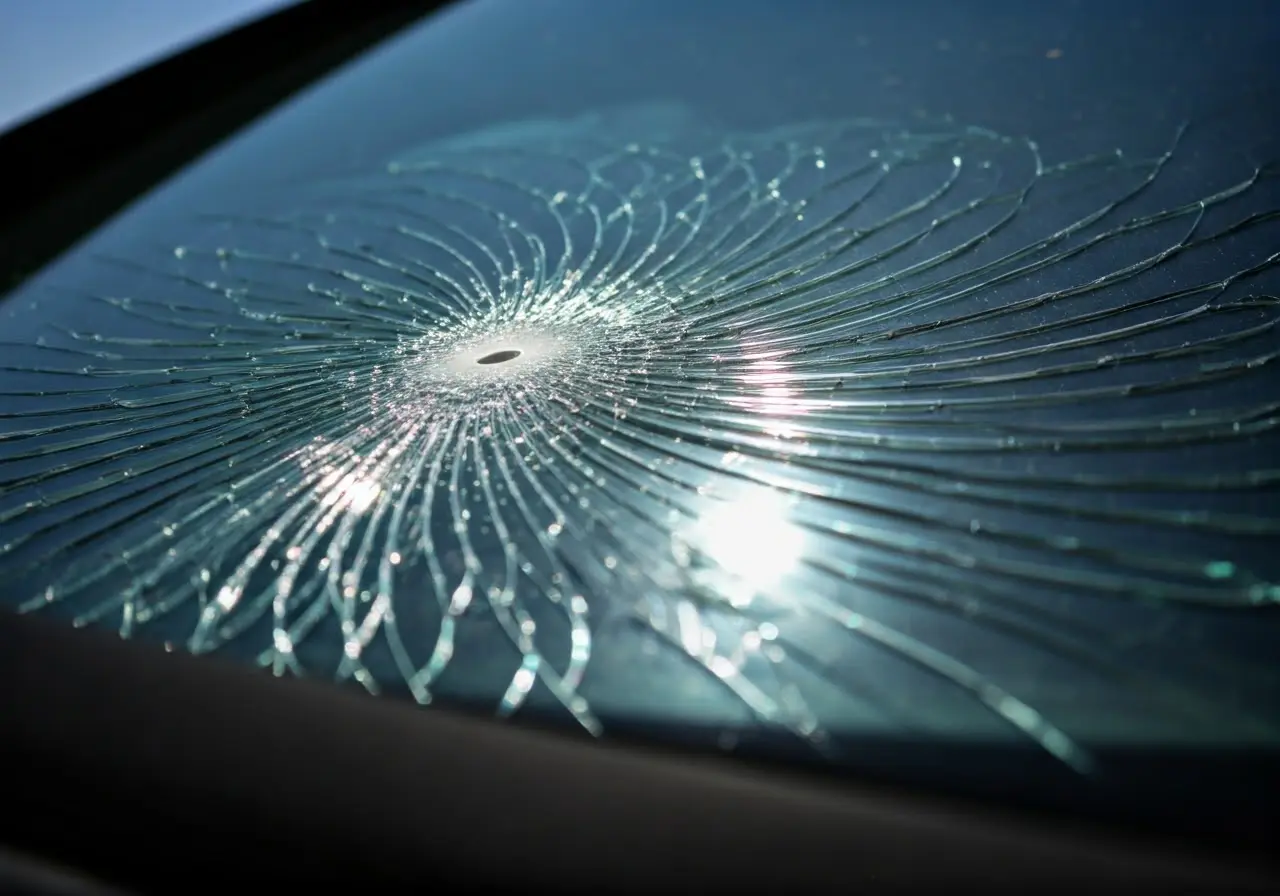
    Aftercare Tips for Your New Windshield

    Once your new windshield is installed, proper aftercare is vital. Avoid slamming doors, keep your windows slightly open, and follow any specific instructions given by your technician. These small steps can protect your new windshield and extend its lifespan. Ensure that you refrain from washing your car for at least 48 hours post-installation, allowing adhesive seals to set completely. Regular maintenance by gently cleaning your windshield with proper cleaning solutions can prevent dirt accumulation and potential scratches. Also, inspect your windshield regularly for any early signs of damage, which could prevent expensive repairs later. Your service provider might offer a post-replacement manual, which you should adhere to vigilantly. Being proactive with care and scheduling timely inspections contributes significantly to maintaining optimal visibility and safety standards for your vehicle.

    Leveraging Insurance for Windshield Replacement

    Dealing with insurance can be tricky, but many policies cover windshield repairs. Contact your insurance provider to understand your coverage and how to file a claim. This can significantly reduce your out-of-pocket expenses, making the replacement more affordable. Stay informed about your policy’s specifics, including any deductibles and coverage limits. Many insurance companies have preferred vendors, potentially expediting the approval process for your claim. It’s often beneficial to engage with windshield services experienced in handling insurance claims as they can guide you efficiently, ultimately saving time and stress. Furthermore, understanding the criteria under which replacement becomes necessary, such as safety risks and extensive damage, can smoothen your conversations with insurance adjusters. By leveraging insurance effectively, you not only ensure financial savings but also maintain regulatory compliance and safety standards for your vehicle Know about Tesla windshield replacement?.

    Ensuring a Clear and Safe Drive

    Navigating a car windshield replacement in Phoenix doesn’t have to be stressful. By understanding your options, choosing the right service, and preparing your vehicle, you can ensure a clear and safe drive. Remember, a little research and preparation can go a long way in maintaining your car’s integrity and value. Visit our website for expert services and more information.

  • 15 Benefits of Opting for Mobile Windshield Repair Services

    15 Benefits of Opting for Mobile Windshield Repair Services

    When life gets busy, even a minor inconvenience like a cracked windshield can feel overwhelming. Luckily, mobile windshield repair services are here to make your life easier. In this blog post, we’ll explore the many advantages of choosing mobile services for your windshield repair needs.
    A mobile repair van parked beside a car with tools. 35mm stock photo

    1. Convenience at Your Fingertips

    Mobile windshield repair services come to you, allowing you to continue with your day without a trip to the repair shop. It’s like having a repair technician on speed dial.

    Imagine having the luxury of staying at home or in the office while your windshield gets professionally repaired. That’s the beauty of mobile services—providing convenience that caters directly to your schedule. A consistent rise in demand for on-the-go repairs highlights how they have transformed the way vehicle maintenance is handled. With the seamless integration of service and scheduling, you’re in complete control, ensuring you don’t skip a beat in your busy life.

    2. Saving Precious Time

    Time is a valuable asset, and mobile services ensure you don’t waste any waiting around in a shop. Quick and efficient, they get the job done while you handle other tasks.

    Mobile windshield repair not only removes the need for a lengthy wait in repair centers but also adapts to your calendar, saving valuable hours. With everyday life being increasingly demanding, this adaptable nature of mobile services means you can utilize every minute efficiently. Imagine juggling your day’s tasks, knowing that your car’s maintenance is being quietly and effectively managed in the background, saving both your schedule and stress levels.

    3. Enhanced Safety Assurance

    Cracked windshields can pose a safety risk. Mobile technicians ensure that repairs are done promptly, reducing the risk of further damage and enhancing your vehicle’s safety.

    Prompt repairs aren’t just about aesthetics. A swift response to windshield damage prevents the crack or chip from expanding, which can impair visibility or even compromise passenger safety during a collision. According to the Consumer Reports, maintaining a clear windshield is crucial for ensuring the effectiveness of your car’s safety features. By opting for mobile repair services, your vehicle’s important structural components are preserved, providing a safer driving experience.

    4. Expert Service Anytime

    With mobile services, expert technicians are available at your convenience, providing high-quality repairs regardless of the time or place, ensuring your windshield is in top condition.

    Expert technicians bring a wealth of experience right to your doorstep, ensuring that every repair is performed with utmost precision. Their mobile presence allows you to access skilled professionals even in the most unexpected circumstances. The true value of this service lies in its adaptability and preparedness, guaranteeing that no matter where life takes you, expert repair is only a call away.

    5. Cost-Effective Solution

    Avoid potential costly replacements by addressing windshield damage early with mobile repair. It’s a budget-friendly option that helps keep your car expenses in check.

    Financially, mobile services offer significant savings by bypassing many additional fees associated with traditional repair shops. By tackling damages early, you avoid the heftier price tag of full windshield replacement. Plus, Magic Glass Repair reveals that utilizing mobile services might even come at no extra cost, making them an economically savvy choice for any car owner.

    6. No Disruption to Your Schedule

    Mobile repairs allow you to maintain your schedule without interruptions. Whether at work or home, the repairs are done while you stay productive.

    7. Tailored Services Just for You

    Mobile services offer personalized attention to meet your specific needs. From scheduling to the actual repair, it’s all customized for optimal customer satisfaction.

    The flexibility in choosing your own repair timeline speaks volumes about mobile service adaptability. This personalization ensures every detail meets your preferences while maintaining high repair standards. Whether you’re working from home or spending the weekend with family, service is quietly and efficiently handled to fit within your unique schedule.

    8. Fewer Hassles and Stress

    Dealing with auto repairs can be stressful, but mobile services take the hassle out of the equation. Relax and let the professionals come to you.

    The journey to a repair shop often involves logistical challenges, from coordinating drop-offs to arranging alternative transportation. By eliminating these hurdles, mobile services provide a hassle-free experience—one where you can remain undisturbed as your vehicle gets the care it needs. The resulting peace of mind is truly priceless.

    9. Environmentally Friendly Option

    By eliminating the need to drive to a repair shop, mobile services reduce your carbon footprint, making it an environmentally responsible choice.

    10. Guaranteed Quality Workmanship

    With skilled technicians who specialize in windshield repair, you can trust that the job will be done to high standards, ensuring lasting results.

    Every technician involved in mobile repair services is usually certified and trained, ensuring that your repair is backed by reliability and expertise. These professionals not only fix visible damage but also assess potential risks to offer durable solutions, reaffirming quality from every angle.

    11. Access to Professional Equipment

    Mobile technicians come equipped with all the necessary tools and machinery, guaranteeing repairs are performed with precision and care.

    12. Comprehensive Damage Assessment

    Before any work is done, mobile services provide a thorough assessment of the damage, ensuring you understand the extent of repairs needed.

    Through meticulous evaluations, mobile service providers can identify underlying issues that may not be obvious at first glance. This ensures that all concerns are addressed proactively, preventing further complications and providing clarity on what each repair entails.

    13. Less Waiting Time in Emergencies

    Mobile repair is a great option for urgent situations. Fast response times mean you’re back on the road sooner without compromising your day.

    14. Fast and Efficient Repairs

    Mobile windshield repairs are quick, allowing you to get your vehicle back in shape without lengthy downtime. It’s all about getting you back to your routine fast.

    Efficiency combined with expertise drives mobile repair operations. From the moment technicians arrive, they execute repairs with a focus on minimizing disruption, using streamlined processes that deliver speedy yet effective outcomes. It’s about ensuring you won’t have to put life on hold for vehicle maintenance.

    15. Enhanced Customer Experience

    With personalized service and expert repairs, mobile repair firms focus on customer satisfaction, ensuring a pleasant and hassle-free experience from start to finish.

    The emphasis on customer care transforms vehicle maintenance from an errand into a seamless affair where your needs take center stage. By employing approachable and knowledgeable technicians, mobile services continuously strive to exceed expectations, supporting you every step of the way toward a well-maintained and reliable vehicle.

  • Spotting Common Signs When Your Auto Glass Needs Repair

    Spotting Common Signs When Your Auto Glass Needs Repair

    Your car’s auto glass serves as more than just windows to the outside world; it plays a crucial role in maintaining the structural integrity of your vehicle. Over time, various factors can cause wear and tear, leading to potential damage. Spotting the early signs of needed repairs is essential to avoid more significant issues down the line. Let’s dive into the common indicators that it might be time to give your auto glass some attention.

    Front view of a blue Mercedes-Benz car parked on a wet street under cloudy skies.

    Cracks and Chips: The Obvious Indicators

    The most apparent signs that your auto glass needs attention are cracks and chips. These can occur from flying debris on the road or extreme temperature changes. Even minor cracks can expand over time, compromising the glass and potentially leading to more serious damage.

    Cracks and chips are not just unsightly; they can compromise the safety of your vehicle. According to experts at AMB Auto Glass, even a small chip can quickly escalate into a major issue due to temperature changes or vehicle vibrations. The longer you leave such damage unattended, the more likely it is that you will end up needing a complete windshield replacement.

    Understanding the seriousness of these damages is crucial. Cracks and chips are not just a cosmetic concern but a safety imperative. The structural integrity of the windshield is vital for the overall safety of your vehicle, especially during collisions or rollovers. Thus, addressing even the smallest chip early can save you not only from increased repair costs but potential hazards.

    Fogging and Moisture Buildup

    Fogging and moisture buildup between your car’s auto glass layers are not just annoying; they’re indicators of a more deep-seated problem. This could point to issues with the glass’s sealant, which is crucial for maintaining insulation and safety. A compromised seal can drastically decrease visibility, creating hazardous driving conditions especially during inclement weather.

    Have you noticed condensation or fogging that doesn’t seem to go away on your auto glass? This persistent issue often means there’s a problem with the glass seal. A broken seal can let moisture seep in, leading to mold or even rust on the car’s metal body parts. Big Time Glass emphasizes the importance of addressing seal failures promptly to mitigate further damage and maintain clear visibility.

    Distorted or Blurry Vision

    Distorted or blurry vision through the windshield is an often overlooked but significant sign of damage. This could be caused by factors such as uneven glass or even warping due to prolonged exposure to extreme conditions. Over time, slight warping can create a lens-like effect, which distorts your view of the road, making driving difficult and unsafe.

    While subtle, any blurring of vision caused by the windshield indicates a deeper issue, often related to the windshield’s material or its installation. Left unchecked, this blurring can grow, affecting your driving clarity. Professionals can determine if the warping is due to the windshield’s material weakening or misalignment, ensuring you maintain an optimal view and keep safe on the road. If you observe anything unusual, it’s a sign to seek an expert assessment right away.

    Unusual Sounds and Noises

    Hearing unusual rattling or wind noise while driving? These sounds might be more than just a minor inconvenience—they could be signs of loose or improperly sealed auto glass. A windshield or other auto glass that isn’t securely in place can become a safety hazard, especially at high speeds. Ensuring your glass is properly sealed not only prevents noise but also enhances the structural integrity of the vehicle.

    Unusual noises emanating from your auto glass, such as rattling, could be an indicator of incorrect installation or damage. Such sounds are often a result of a seal failure or misalignment. Experts in glass technology advise checking for these commonly ignored sounds during routine maintenance to ensure the integrity and safety of the auto glass. Taking action on such indicators early can prevent larger issues from developing.

    Ensuring Longevity and Safety through Vigilant Auto Glass Care

    Keeping an eye out for signs of damage on your auto glass is key to ensuring both your safety and the longevity of your vehicle. Promptly addressing any issues can prevent further damage and help maintain the structural integrity of your car. Regular inspections and understanding what to look out for can save you time and money in the long run. Remember, when in doubt, it’s best to consult with a professional to ensure the best care for your vehicle.

  • When to Consider a Car Windshield Replacement

    When to Consider a Car Windshield Replacement

    A car windshield does more than just keep the bugs out of your teeth when you’re cruising down the highway. It plays a crucial role in the overall safety and integrity of your vehicle. However, many drivers are unsure when it’s time to repair a small chip or crack, and when it’s best to replace the entire windshield. In this blog, we’ll guide you through the signs that indicate you might need a windshield replacement and the importance of keeping your windshield in top condition.

    A cracked car windshield reflecting sunlight. 35mm stock photo

    Signs Your Windshield Needs Replacement

    Understanding the signs that indicate a windshield replacement is necessary can prevent potential risks. Look out for large cracks, multiple chips, or damage that impairs your line of sight. These can compromise the windshield’s integrity and warrant a replacement.

    A critical sign that a windshield needs replacing is when cracks intersect or form a spiderweb pattern. These types of cracks cannot be simply repaired, as they affect the core structure of the glass, thus compromising your safety. According to 6 Signs You Need a Replacement Windshield, you should also be wary of visible chips that are over an inch long or if you notice any hail damage that results in a pockmarked effect on your windshield.
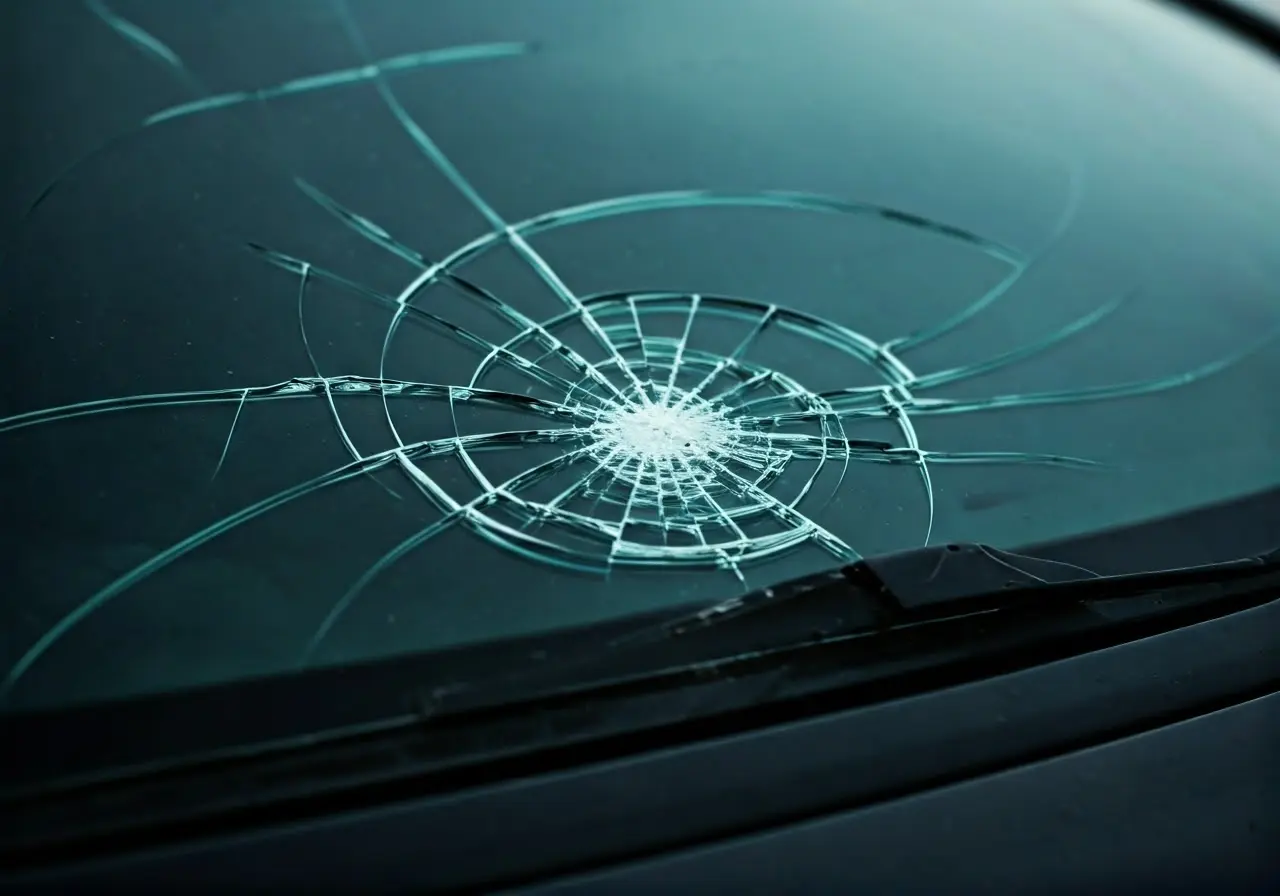
    Furthermore, discoloration or cloudiness on the glass, often caused by exposure to harsh weather conditions, is another indicator. Over time, these cloudy spots can obscure your vision, especially at night or during heavy rains when visibility is already poor. These can be seen as yellow or white patches on the glass, which are not just cosmetic blemishes but serious impediments to your driving.

    Understanding the Role of a Windshield in Safety

    Your car’s windshield contributes significantly to its structural strength. In the event of a collision, it helps protect passengers and supports the deployment of airbags. A compromised windshield can lead to greater injury risks.

    The windshield acts as a crucial shield against external elements such as wind and debris. Imagine driving through an unexpected hailstorm; without a robust windshield, you’re exposed to ice projectiles that could cause harm. In modern vehicles, windshields are also integrated with advanced safety systems like Advanced Driver-Assistance Systems (ADAS), amplifying their role in accident prevention. Sensors for lane-keeping and collision warning depend heavily on a crystal-clear, intact windshield to function properly.

    Moreover, airbags are designed to deploy directly into the passengers but are supported by the windshield to bounce back towards the occupants. In scenarios where the windshield is not intact, there is a risk of the airbags failing to provide full protection, potentially leading to severe injuries during an accident. Thus, maintaining a healthy windshield isn’t just about visibility; it’s also about ensuring the vehicle’s crucial safety features remain functional.

    The Difference Between Repair and Replacement

    It’s crucial to know when a simple repair will suffice versus when a full replacement is necessary. While small chips and cracks can often be repaired, extensive damage or damage in a critical area typically requires a replacement.

    According to Windshield Woes: What Every Car Owner Should Know, windshield repair is generally suitable for chips no larger than a quarter and when the damage isn’t directly in the driver’s line of sight. This requires cleaning the area and injecting resin to seal the crack, which helps to prevent further spreading. Repair is a quick and cost-effective method, but the decision to repair is heavily dependent on the damage’s size and location.

    In contrast, replacement involves removing the old windshield and installing a new one. This is necessary when the damage is extensive or if there are multiple chips over a broad area. Replacement is more costly than repairs but ensures the vehicle maintains its structural integrity and that all embedded technologies are re-calibrated correctly. The factors influencing this decision include the severity, location, and spreading tendency of the crack, as well as any underlying problems that may compromise the strength of your windshield.
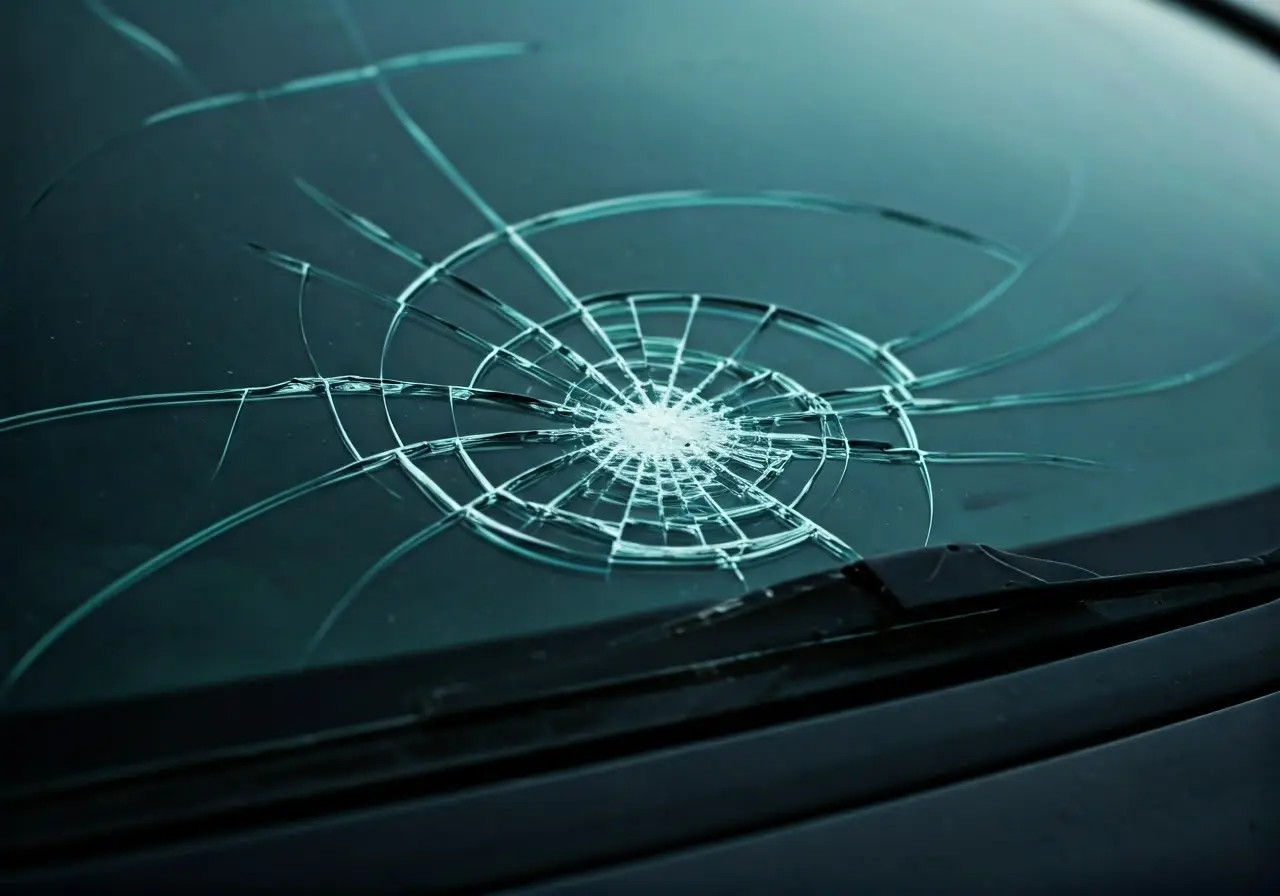
    Factors Affecting Windshield Replacement

    Several factors can influence the need for a windshield replacement, including the size and location of the damage, weather conditions, and the quality of the glass. Understanding these can help you make an informed decision.

    Weather conditions play a substantial role. In areas with extreme temperatures, a small chip may expand into a large crack due to the glass’s contraction and expansion in response to changing weather. Similarly, regions prone to heavy hail or severe storms might see an increased frequency of required replacements. Another consideration is the type of glass used; high-quality, tempered glass will withstand impacts better than standard options, thus prolonging the windshield’s lifespan.

    Additionally, the correct installation of the windshield initially can affect how soon you’ll need to consider a replacement. Poor installation can lead to improper sealing, which may cause water leaks, wind noise, and even the gradual weakening of the adhesive bonding. To ensure that your windshield functions as intended, always seek professionals adept at precise installations. Checking your insurance coverage for glass replacements can also influence decisions, as some policies might cover significant portions of replacement costs, effectively reducing your financial burden.

    Choosing the Right Professional for Your Replacement

    Finding a qualified technician to replace your windshield is essential for ensuring safety and quality. Look for certified professionals with good reviews to guarantee a job well done.

    When selecting a professional for windshield replacement, it’s important to evaluate their experience and expertise with modern technologies such as ADAS re-calibration. Not all auto glass services offer the necessary calibration needed to ensure these systems function correctly post-installation. Therefore, prefer services like Big Time Glass that emphasize quality, precision, and cutting-edge techniques in their offerings.

    Always inquire about the type of glass the technician will be using for replacement. OEM (Original Equipment Manufacturer) glass is typically preferred for maintaining the same quality and specifications as the original. Thoroughly check customer reviews, ask for warranties on the service, and confirm their policy on after-service support to address potential issues. These factors collectively ensure that your windshield replacement not only meets but exceeds the safety standards required for modern vehicles.

    The Importance of Timely Replacement

    Recognizing when to replace your car windshield is crucial for your safety and the safety of your passengers. While minor chips might be easy to ignore, attending to them sooner rather than later can prevent more significant issues down the road. Remember, your windshield is a vital component of your vehicle’s safety system, and maintaining it should always be a top priority. For reliable windshield services, visit Big Time Glass today!

  • Why Is Windshield Repair Important for Vehicle Safety?

    Why Is Windshield Repair Important for Vehicle Safety?

    Driving with a damaged windshield can pose serious risks, not only to the driver but to all passengers and other road users. Understanding the importance of windshield repair can help you maintain the integrity and safety of your vehicle. In this FAQ, we’ll explore why addressing windshield damage is crucial for your safety on the road.

    A close-up of a windshield with a visible crack. 35mm stock photo

    What Role Does the Windshield Play in Vehicle Safety?

    The windshield acts as a barrier between the vehicle’s interior and external elements. It also provides structural support to the car, contributing to the overall integrity of the vehicle in case of an accident. Modern windshields are designed to absorb impact and prevent passengers from being ejected during collisions. Additionally, they play a crucial role in the proper deployment of passenger airbags, a vital safety component Ensuring Windshield Safety.

    Furthermore, windshields incorporated with Advanced Driver Assistance Systems (ADAS) rely on this piece of glass to function effectively. These systems are vital for facilitating features like lane-keeping assistance and automatic emergency braking. A properly maintained windshield ensures that these life-saving technologies operate as intended.

    How Can a Damaged Windshield Compromise Safety?

    Cracks and chips obstruct visibility and can distract the driver, increasing the risk of accidents. Additionally, a weakened windshield may shatter more easily upon impact, putting occupants at risk. The windshield accounts for up to 60% of a vehicle’s structural support in a rollover accident, underscoring its importance in maintaining the safety of everyone in the vehicle.

    Ignoring even small damage can lead to significant problems over time. Temperature changes and road vibrations can cause minor chips to expand into larger cracks. As these imperfections grow, they compromise the windshield’s ability to protect passengers, possibly necessitating a full replacement, which can be more costly and time-consuming Risks of Ignoring Damage.

    Moreover, damaged windshields can lead to increased glare, which is particularly dangerous during night driving or in bright conditions. This glare can reduce a driver’s ability to see the road clearly, drastically increasing the chance of collisions. Ensuring clear visibility is paramount for safe driving and a fundamental reason to address windshield damage promptly.

    What Are the Benefits of Prompt Windshield Repair?

    Immediate repair of chips and cracks prevents escalation of damage, ensuring continued protection and avoiding the need for a complete windshield replacement, which can be costlier. By addressing small issues early, you maintain the original adhesive bond, which is often stronger than a replacement bond.

    Prompt repairs are also beneficial for financial reasons. Many insurance policies cover the cost of windshield repairs without requiring a deductible, making it a cost-effective solution. Repairing rather than replacing keeps the windshield’s factory seal intact, thus preserving the vehicle’s safety features to their highest standards Insurance and Windshield Service.

    From an environmental perspective, repairs reduce waste by preserving the existing glass. This is an important consideration in today’s world, where sustainability is often a priority. Repairing a windshield is a straightforward process that can often be completed in under an hour, allowing you to get back on the road quickly and safely.

    When Should You Consider Windshield Repair Or Replacement?

    Minor chips and small cracks can often be repaired, but larger damages or those in the driver’s line of sight might necessitate full replacement to ensure safety and compliance with regulations. The location, size, and depth of the damage are determining factors; if left unaddressed, they could result in more complex structural concerns.

    In general, if a crack is longer than six inches, or if the damage impacts the windshield’s perimeter, replacement is recommended. This is because such damages can undermine the structural integrity of the windshield, especially if located near the edge, which is a critical area for maintaining the vehicle’s support during crashes Understanding Windshield Repair Standards.

    In vehicles equipped with ADAS, even minor repairs may necessitate re-calibration of the system to ensure safety features function correctly. This can be particularly true for vehicles that use cameras and sensors mounted on the windshield. Always consult with a professional auto glass technician like those at Big Time Glass to assess the damage accurately.

    Safeguard Your Drive with Timely Windshield Repair

    Ensuring your windshield is in top condition is a key part of vehicle maintenance and safety. By taking prompt action to repair any damage, you can protect yourself and others, while also saving money in the long run. Stay proactive and keep your journeys safe.

  • 7 Signs You Need a Car Windshield Replacement ASAP

    7 Signs You Need a Car Windshield Replacement ASAP

    Your car’s windshield is more than just a piece of glass; it’s a vital part of your vehicle’s safety and structural integrity. Ignoring signs that it might need replacement could lead to bigger issues down the road. Here’s how to identify when it’s time to replace your windshield without a doubt.
    A cracked windshield with visible spiderweb-like damage. 35mm stock photo

    1. Visible Cracks or Chips

    Even minor chips or cracks, especially ones that are spreading, can compromise the windshield’s integrity. It’s crucial to address these blemishes early to prevent them from expanding into larger problems. The first sign of damage might seem insignificant, but let’s consider how stresses from daily driving can exacerbate these weaknesses. Edge cracks account for a high percentage of windshield replacement claims due to residual stresses during manufacturing. Therefore, a small crack can quickly become a major safety issue if not tended to promptly.

    Moreover, chips and cracks can compromise not only the aesthetics but also the functionality of your windshield. The integrity of your vehicle can diminish if a chip expands into a profound crack. According to windshield technology advancements, even small impacts on modern windshields can obstruct sensor functions if not addressed. Checking for visible signs of damage periodically and opting for repairs or replacements when necessary ensures that your view and your safety remain unobstructed.

    2. Obstructed Vision

    If your windshield has regions that impair your visibility, whether due to damage or persistent dirt that won’t clean off, it might be time for a replacement. Clear vision is essential for safe driving. Damage that appears small on a sunny day might become a major hazard during nighttime or adverse weather conditions. It’s crucial to understand how these distortions increase the risk of misjudgment and delay reaction times. In fact, obstructions in the driver’s line of sight are among the leading causes of accidents, emphasizing the need for a clear and intact windshield.

    3. Pitting from Debris

    Over time, small pits can form from debris, especially if you often drive on gravel roads or highways. These pits can scatter light, making it difficult to see, particularly when driving into the sun. Such pitting not only poses a visual disturbance but can also turn into micro-cracks that weaken the windshield’s structural integrity. The sensitivity of windshields to abrasive environments further exacerbates these issues. According to the importance of structural integrity in collisions, a pitted or weakened windshield can be detrimental to your vehicle’s crash performance.

    4. Compromised Glass Bonds

    Your windshield is bonded to the car to provide structural support. If you notice any separation or discoloration along the edges, it could indicate a weakening bond that needs addressing. This subtle issue may not be apparent at first glance but can significantly impact the roof’s integrity in the event of a rollover. It’s a critical aspect often overlooked by drivers until a small issue becomes apparent. Recognizing and understanding these signs early ensures that your windshield maintains optimal adhesion to the vehicle body, directly impacting your overall safety.

    5. Moisture Inside the Car

    If you find your car’s interior is getting unexpectedly damp, and it’s not due to the weather stripping or sunroof, the windshield seal might be compromised, necessitating a replacement. A properly sealed windshield prevents water and air from entering the cabin. Moisture not only damages the car’s interior but can also signal a compromised defense against outside elements. This can escalate over time, affecting electronic components and potentially leading to mold growth if left unchecked. Addressing this moisture problem early by inspecting the windshield seal can prevent further water damage and ensure the longevity of your vehicle’s interior.

    6. Failed Inspection

    If your vehicle fails a safety inspection due to windshield issues, it’s a clear sign that a replacement is needed to meet safety standards and keep you legal on the road. Inspections are designed to assess the critical components of your vehicle’s safety features. Windshields are vital for protecting passengers and maintaining visibility during driving. A failed inspection should prompt immediate action, focusing on rectifying issues that could jeopardize your safety. Timely replacement can bypass the inconvenience of re-inspections and restore your car’s compliance with road safety regulations.

    7. Increased Shattering Risk

    When a windshield is weakened by damage, it’s more prone to shattering upon impact. A compromised windshield might not properly protect you in an accident, emphasizing the need for replacement. The robustness of modern windshields is engineered to absorb impact forces while maintaining structural cohesion. However, cracks and chips can reduce this capability, turning routine collisions into more serious incidents. It’s not merely about visibility — it’s about the windshield’s role as a safety barrier during accidents. Regular checks and timely replacements help mitigate risks, ensuring that the windshield retains its protective functions for both passengers and the vehicle structure.

  • The Latest Innovations in Auto Glass Technology

    The Latest Innovations in Auto Glass Technology

    In recent years, the auto glass industry has seen remarkable advancements that are redefining safety, functionality, and aesthetics. From enhanced safety features to smart glass applications, these innovations are setting new industry standards and paving the way for the future of automotive design.

    A sleek car with reflective, advanced auto glass shimmering. 35mm stock photo

    Reinforced Safety with Advanced Glass Materials

    New materials like laminated and tempered glass are designed to withstand high-impact forces, reducing the risk of shattering and ensuring greater passenger safety during accidents. These innovations reflect the industry’s commitment to safety, which remains a paramount concern for both manufacturers and consumers alike. A significant advancement is the incorporation of gorilla glass, known for its exceptional strength and light weight, into automotive applications. Developed initially for consumer electronics, this material’s migration into the automotive realm represents a leap forward in vehicle safety and performance, improving both crash resistance and fuel efficiency by reducing vehicle weight Technavio’s report. Furthermore, the use of self-healing glass coatings is gaining traction. These coatings can autonomously repair minor scratches and chips, maintaining the windshield’s clarity without the need for time-consuming repairs.

    Advancements in safety glass technology have paved the way for enhanced protective features. Reinforced glass with multi-layered laminations not only prevents shattering but also provides a crucial line of defense during rollover accidents. In addition, the integration of sensor technologies within the glass panels is elevating safety standards. These sensors monitor environmental conditions and vehicle dynamics, seamlessly integrating with ADAS (Advanced Driver Assistance Systems) to enhance overall vehicle safety. ADAS uses a combination of cameras, radar, and lidar, often embedded in the windshield, to provide an extra set of ‘eyes’ on the road. This clever integration helps with lane-keeping assistance, automatic emergency braking, and adaptive cruise control features Augmented Reality in Windshields. The evolution of these materials highlights a growing trend towards integrating high-tech with high safety, a direction that promises to benefit consumers and manufacturers alike with increased vehicle integrity and passenger protection.

    Smart Glass and Its Multifunctional Capabilities

    Smart glass technology is revolutionizing the driving experience by allowing for features such as automatic tinting, glare reduction, and even displaying information directly on the windshield. The advent of augmented reality windshields, for instance, brings dynamic navigation overlays and critical driving alerts directly into the driver’s line of sight. These AR displays are controlled by a network of sensors and cameras, projecting real-time information like speed limits, navigation guidance, and collision alerts on the windshield 2025 Trends in Smart Glass. This integration ensures that drivers can maintain focus on the road while accessing relevant driving information. Moreover, these smart features are not solely confined to the windshield. Dynamic glass tinting adjusts the level of tint based on weather conditions or personal preference, significantly enhancing comfort by controlling the amount of sunlight and heat entering the cabin.

    Beyond enhancing comfort and convenience, smart glass technology also adds a layer of security. Electrochromic smart glass can instantly turn opaque to protect the vehicle’s interior from prying eyes, thereby deterring theft. This privacy feature complements other driving aids, contributing to the overall security framework of a modern vehicle. Furthermore, the integration of smart glass technology amplifies vehicle connectivity by interfacing with a car’s infotainment system. Real-time navigation updates, incoming calls, and even vehicle diagnostics can be displayed in a customizable format, putting essential information front and center without distractions. The ability of smart glass to act as an interface for such technology opens up new possibilities for futuristic head-up displays (HUDs) that replace traditional dashboard instruments. As we venture into an era where connectivity and autonomous functions become standard, the shift towards fully realized smart glass ecosystems in vehicles appears not only inevitable but also imminent.

    Innovations in Environmental Sustainability

    The auto glass sector is seeing a surge in eco-friendly practices, such as integrating recyclable materials and improving the energy efficiency of glass production processes. The emphasis on sustainability has led to the development of solar-reflective glass, which not only reduces the heat load inside vehicles but also minimizes the need for air conditioning, thereby enhancing fuel efficiency Solar Reflective Innovations. This type of glass can deflect harmful UV rays, preserving the vehicle’s interior while contributing to overall energy conservation. Furthermore, production techniques have evolved to drastically cut pollution and energy consumption, incorporating recycled materials into new glass. This approach not only reduces the carbon footprint associated with manufacturing but also aligns with broader environmental targets within the industry.

    Efforts are also being made to incorporate biodegradable coatings into auto glass manufacturing. These coatings break down more efficiently than traditional chemical treatments, reducing environmental impact at the end of a vehicle’s life. Moreover, partnerships with sustainability-focused organizations aim to repurpose automotive glass waste, further supporting the circular economy model. There is a growing interest in lightweight glass solutions that not only improve vehicle aerodynamics and fuel efficiency but also reduce the amount of raw material needed for production. By leveraging cutting-edge technologies and sustainable practices, the auto glass industry is making significant strides towards reducing its environmental footprint, ensuring that both today’s needs and tomorrow’s resource concerns are addressed in the design and manufacturing processes.

    Enhanced Aesthetics Through Customizable Options

    Automakers are now offering customizable glass options to allow for personalized vehicle aesthetics, from unique tint colors to bespoke sunroof designs. These bespoke options give car owners a chance to truly express their personality and preferences through their vehicle’s design. Custom tints can be applied in a variety of hues, providing not only a visual appeal but also functional benefits by controlling interior lighting levels and reducing glare. Additionally, sunroofs and panoramic glass roofs are increasingly designed with customizable shades that can transition from transparent to opaque at the push of a button, enhancing both privacy and comfort without sacrificing style Auto Industry Glass Trends.

    In the realm of vehicle aesthetics, etched and patterned glass is gaining popularity. This allows manufacturers to incorporate distinct designs directly into the glass, offering an unparalleled level of customization that goes beyond traditional options. Whether it’s a subtle pattern on privacy glass or intricate designs on windshields and back windows, etched glass enhances the visual appeal of any vehicle. Beyond aesthetics, there is also a focus on interior coherence, where glass components are integrated into the overall design scheme of the vehicle’s cabin. For instance, integrating glass surfaces into interior lighting systems can amplify ambient light effects inside the vehicle, creating a seamless and inviting atmosphere. Such advancements underscore a shift towards viewing auto glass not just as a functional component, but as an integral element of vehicle design, capable of significantly enhancing the overall driving experience.

    Future Prospects: From Transparent Displays to Solar Integration

    Looking ahead, emerging technologies are exploring ways to incorporate transparent displays and solar panels into auto glass, further broadening its functionality and appeal. Transparent displays could revolutionize how information is presented to the driver by overlaying critical data directly onto the windshield, minimizing distractions and enhancing safety. Such technology not only provides a futuristic aesthetic but also promotes a cleaner dashboard by reducing the need for physical dials and screens. The integration of solar panels into glass represents another significant leap forward. These panels can harness sunlight to power car electronics, thus improving energy efficiency and reducing reliance on the vehicle’s main battery Advanced Solar Panel Integration. This innovation presents an exciting possibility for sustainable automotive design, where vehicles support their power needs through renewable energy sources.

    With the automotive industry on the cusp of a new era, these prospective innovations promise to redefine what is possible with auto glass. From holographic projections that enhance navigation systems to integrated photovoltaic cells for greener motoring, the potential applications are as vast as they are imaginative. Advances in nanotechnology might soon allow for more efficient and longer-lasting coatings that further enhance durability and scratch resistance, while remaining nearly invisible to the eye. As these technologies develop, they hold immense potential to not only improve vehicle functionality but also significantly impact the market strategies of companies such as Big Time Glass. By staying at the forefront of these technological shifts, they can offer cutting-edge solutions that cater to both the tech-savvy and environmentally conscious consumer of the future.

    The Road Ahead: Embracing Change in Auto Glass Technology

    As the automotive industry continues to evolve, innovations in auto glass technology are at the forefront, enhancing both the safety and driving experience for consumers. These developments not only highlight the industry’s commitment to safety and efficiency but also point to a future where technology seamlessly integrates into every part of the vehicle.

  • What Types of Windshield Damage/Crack can be Repairable or Replace?

    What Types of Windshield Damage/Crack can be Repairable or Replace?

    Windshield damage is a common issue that many car owners face at some point. While some types of damage can be easily repaired, others require a complete replacement. Understanding which types of windshield damage can be repaired and which cannot is crucial for maintaining safety and saving costs.

    A close-up of a cracked windshield on a car. 35mm stock photo

    Understanding Different Types of Windshield Damage

    Windshields can sustain various types of damage, each with its specific characteristics and implications. Some common types include chips, cracks, pits, and star breaks. Knowing the differences between each is crucial in deciding the necessary action.

    A chip is a common type of damage usually caused by small debris like stones hitting the windshield. These are minor damages that often look like a small piece of material has been removed from the glass surface. Star breaks are a more intricate form of damage, extending from a central point with several small lines branching out. They resemble the shape of a star and can often be repaired if the branching is minimal and not deep. Each type of damage poses different risks and requires distinct attention in terms of repairability or replacement need.

    Cracks are linear damages that can vary significantly in length. Long cracks usually mandate a full windshield replacement whereas short cracks might be repaired if they meet the criteria. Bullseye cracks occur when circular breaks happen, often repairable if small. The pervasive issue with cracks is that they can grow over time, especially under the influence of temperature shifts or additional force, compromising windshield integrity.

    Documenting windshield damage promptly is important, as even minute pits—tiny indentations on the glass—might worsen and invite further issues. While pits primarily impact aesthetic aspects rather than structural integrity, they can reduce visibility and may require professional assessment.

    When Can Windshield Damage Be Repaired?

    Certain conditions determine if a windshield can be repaired. Typically, chips or cracks smaller than a dollar bill and not located in the driver’s line of sight can be repaired. Additionally, if the damage is shallow and doesn’t penetrate the glass’s inner layer, repair is possible.

    Repairing smaller chips prevents them from expanding into cracks. Technologies today allow for efficient repair without compromising the original glass structure, as seen in different windshield repair tools. The use of resins fills in the imperfections, restoring the windshield’s structural integrity along with visibility benefits. However, repairs are only effective when they are done before any contaminants like dirt or water settle into the damaged area, which can complicate the repair process.

    The location of the damage is pivotal too—repair is highly discouraged if it impedes the driver’s vision. Instead, damages at the perimeter of the windshield might undergo repair if minor, as opposed to when they extend significantly or threaten the structural securement of the glass to the frame.

    It’s essential to realize that not all minor damage can be repaired. The physical properties of the windshield, advanced by modern technologies, have evolved, allowing better integration with vehicle safety systems like ADAS. This advancement often necessitates re-calibration following repairs to maintain the effectiveness of safety mechanisms.

    Situations Requiring Windshield Replacement

    Windshield replacement is necessary when damage is extensive, such as cracks longer than a dollar bill, or when the chip or crack is directly in the driver’s line of sight. Any damage compromising the structural integrity also requires replacement, as safety is paramount.

    Larger damages such as edge cracks that extend towards the borders of the windshield or major star breaks generally require replacement as they challenge the overall glass stability. Floating cracks—free-standing damages that appear anywhere on the windshield—should be evaluated carefully, especially if they inhibit the function of ADAS-related gear like sensors and cameras, which are often embedded in the glass itself.

    One crucial element is understanding that windshield integrity is vital during vehicular accidents. The windshield acts as a support for the roof in rollover situations; hence, compromised windshields pose severe risks. Also, auto glass safety is not only about visibility but maintaining the engineering design to protect passengers.

    Finally, regulations in some regions require windshields to meet strict standards, and failure to replace damaged windshields can sometimes result in fines or other legal issues. Ensuring compliance through replacement avoids such complications and preserves the aesthetics and safety features designed into the car.

    The Repair Process: What to Expect

    Understanding the repair process helps manage expectations. Typically, a technician will first assess the damage and use specialized tools and resins to fill in cracks or chips, restoring the windshield’s integrity and preventing further spread.

    Upon arrival, a technician assesses whether the damage qualifies for repair. Assuming it does, they begin by cleaning the surface to ensure that the resin adheres properly. Skilled professionals often use tools like carbide tools for precise coverage and minimal aesthetic impact.

    The repair process is quick, often under an hour, involving injecting the resin, curing it using UV light to harden, and then polishing the area for clarity. While efficient, the results hinge significantly on the expertise of the technician and the condition of the damage before repair. Adequate repairs restore up to 90% of visibility, retaining the original strength of the glass in most cases.

    After repair, re-calibration might be a necessary step, especially when dealing with windshields equipped with advanced features. Systems like cameras and sensors require precise alignment to function correctly, underlying the importance of having professionals like those at Big Time Glass conduct the repair.

    Choosing the Right Professional for Your Windshield Needs

    Selecting a reputable professional is crucial for both windshield repairs and replacements. Look for certified technicians with good reviews and transparent pricing. A skilled expert will ensure safety and quality in their work.

    The hallmark of a reliable service provider includes having certified technicians who are trained to deal with modern windshield complexities. With the advent of technology-integrated windshields, competent technicians are pivotal in re-calibrating after any adjustment.

    Professional services often offer guarantees or warranties on work done, providing peace of mind to customers who rely on their windshields not just for clear views, but for structural safety too. Transparent pricing and forthright communication about processes further separate reliable shops from the rest.

    Finally, the accessibility of a provider, whether through ease of reaching them or their location, can be a deciding factor. Many opt for businesses like Big Time Glass who provide reliable services alongside customer-centric operations, ensuring swift and effective solutions for all windshield-related issues.

    Making Informed Decisions for Windshield Safety

    Understanding the types of windshield damage and whether they require repair or replacement can save time and money while ensuring safety on the road. Always consult with a professional to assess the severity of the damage and determine the best course of action.

  • Is Windshield Replacement Covered by Insurance?

    Is Windshield Replacement Covered by Insurance?

    If you’ve ever experienced a chipped or cracked windshield, you know how important it is to get it repaired or replaced quickly. But before you worry too much about the cost, you might be wondering if your insurance can help cover it. In this FAQ-style blog, we’ll explore the ins and outs of windshield replacement coverage under insurance policies. Buckle up and let’s dive in!
    A shattered windshield with an insurance policy booklet nearby. 35mm stock photo

    What Types of Insurance Cover Windshield Replacement?

    When it comes to windshield replacement, two primary types of insurance come into play: comprehensive car insurance and optional glass coverage. Comprehensive insurance typically covers a wide array of non-collision damages, which often include events like theft, vandalism, and weather-related incidents such as falling branches. This type of policy is your best bet for covering windshield damage caused by such issues. It’s crucial to understand that comprehensive coverage can vary significantly from one insurer to another, so it’s always wise to check the specific terms of your policy.

    Optional glass coverage, sometimes known as full glass coverage, is an add-on that many drivers opt for to enhance their policy’s protection. This coverage specifically targets auto glass repairs and replacements, including your windshield, with many plans offering zero deductible. This means if your policy includes this add-on, you may not need to pay anything out of pocket when your windshield needs to be replaced. Understanding these distinctions can help you decide what’s best for your needs and ensure your windshield is always in top shape, just in time for that next road trip.

    Do You Need to Pay a Deductible?

    The concept of a deductible can often lead to confusion when it comes to auto insurance. A deductible is the amount you must pay out-of-pocket before your insurance kicks in to cover the rest of the costs. In many comprehensive insurance plans, the deductible can vary, affecting the cost to you for repairs like windshield replacement. This is an essential detail to note because while your insurance may cover a significant portion of the damage, you could still have to cover the deductible amount.

    For those who have opted for additional glass coverage, the story might be different. Many policies with full glass coverage allow you to waive the deductible, which could mean a completely worry-free windshield repair or replacement. This can be particularly appealing if you live in an area prone to events that might damage your windshield. Consulting with your insurance provider can help clarify if your policy includes this benefit and what the cost implications might be.

    How to File a Claim for Windshield Replacement

    Filing an insurance claim for a windshield replacement doesn’t have to be a daunting task. Start by gathering all the necessary details related to the damage—this includes the date of the incident, photos of the damage, and any other pertinent information. Next, contact your insurer promptly, either via their website or through a customer service hotline, to officially report the claim.

    Being prepared with this information can help speed up the process, ensuring that you receive your coverage benefits in a timely manner. Have your policy number on hand, as well as any additional coverage documentation, such as proof of full glass coverage, if applicable. Finally, follow your insurer’s instructions for providing further documentation and scheduling an appointment with an approved service center, like Big Time Glass, which specializes in quality auto glass repairs and installations.

    Can No-Fault States Affect Your Coverage?

    Residing in a no-fault insurance state introduces a unique angle to your auto coverage, which could impact how windshield replacement claims are handled. In these states, after an accident, drivers turn to their insurance companies instead of pursuing claims against other drivers, regardless of who caused the crash.

    While no-fault laws primarily affect medical claims, understanding how they interact with property damage, including windshield repairs, is essential. It’s crucial to verify with your insurer whether no-fault provisions in your area might change the process or eligibility for windshield coverage. Remember, knowledge is power; knowing the rules allows for a smoother, less stressful experience if your windshield needs service.

    Tips for Working with Your Insurance Provider

    Maintaining a positive relationship with your insurance provider can make the claims process for windshield replacement smoother and faster. Regularly review your policy documents and stay informed of any changes in your coverage. Make a habit of reaching out to your insurer for clarification on any terms that seem unclear.

    Additionally, ensure that you promptly report damage to avoid potential delays with your claim. Consider choosing service centers preferred by your insurer, such as Big Time Glass, to take advantage of streamlined repair processes and potential cost savings. By staying proactive and communicative, you can help ensure that your windshield replacement is handled efficiently, leaving you free to focus on the road ahead.

    Understanding Your Coverage

    In summary, while many insurance policies offer coverage for windshield replacement, it’s essential to know the specifics of your own policy and be proactive about getting repairs done. By understanding your coverage, whether through comprehensive insurance or a glass coverage add-on, you’ll be better prepared to deal with any windshield-related mishaps. Always communicate with your insurance provider to ensure you’re making the most of your policy.