Category: Articles

  • 15 Questions to Ask Before Your Next Car Windshield Replacement

    15 Questions to Ask Before Your Next Car Windshield Replacement

    When it comes to car windshield replacement, there are more considerations than you might initially think. Ensuring that everything goes smoothly requires asking the right questions. Whether it’s your first replacement or just looking for a refresher, these questions will guide you to make informed and confident decisions.
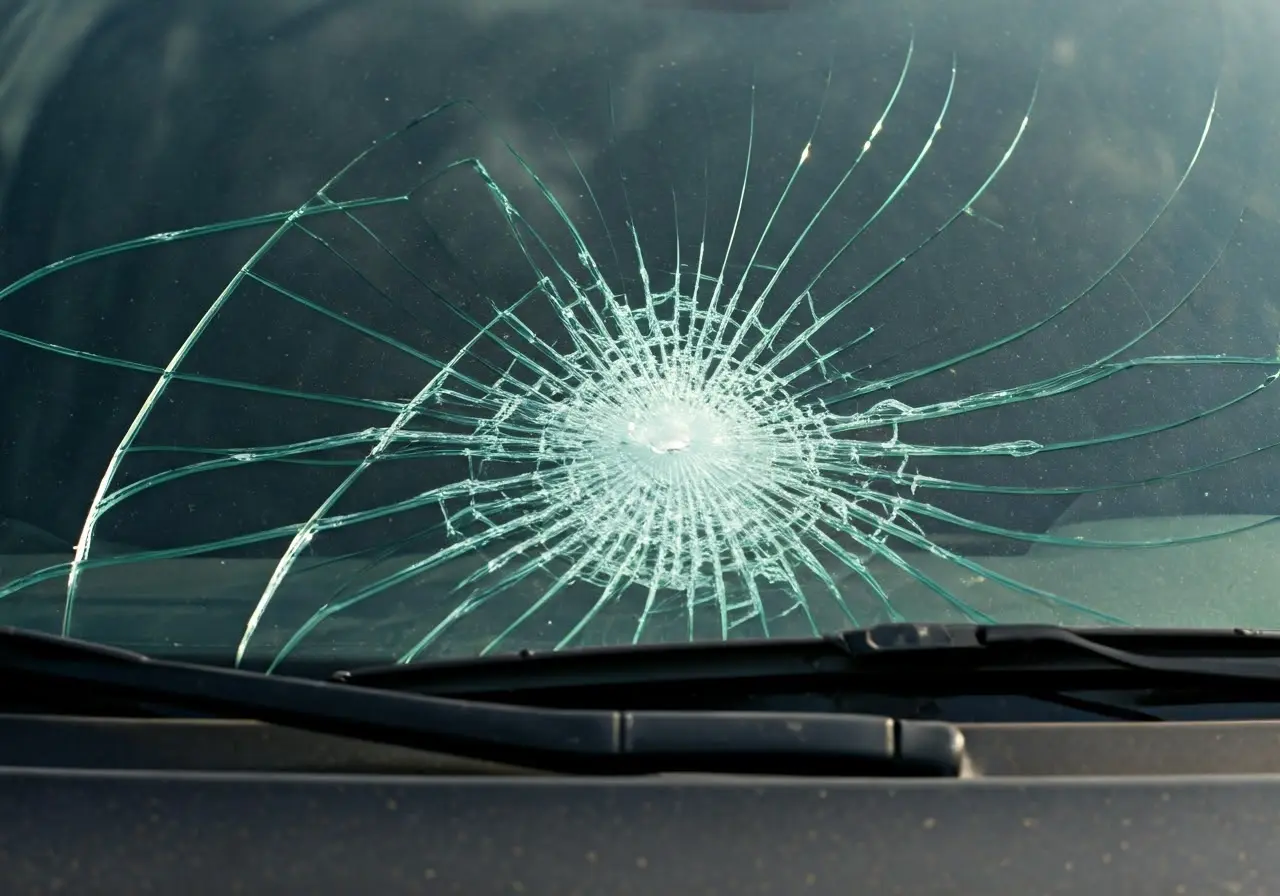
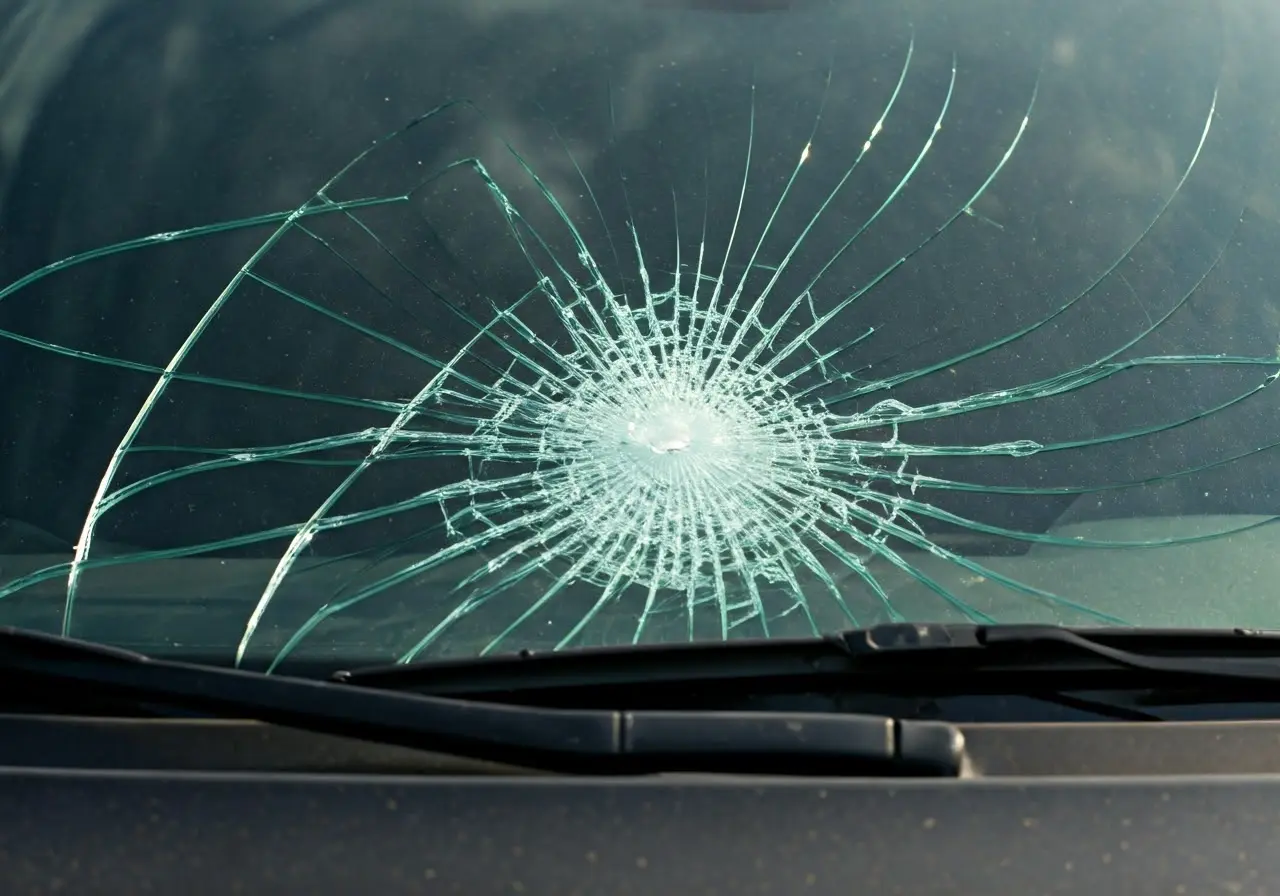
    Car windshield with sunlit cracks and scattered glass pieces. 35mm stock photo

    1. Assessing the Extent of Damage

    Before moving forward with a replacement, understanding whether the damage requires repair or replacement is crucial. Minor chips may not necessarily mean a full replacement. A small blemish left unchecked can evolve into a major crack due to stress from temperature fluctuations or road vibrations. Windshield care is important because even seemingly insignificant damage can impair visibility and weaken structural integrity.

    Evaluate if the crack or chip is in your line of sight or at the edges of the windshield, as these locations can have a greater impact on overall safety and require prompt attention. Professional assessment can give you a clearer understanding of whether a quick repair will suffice or a complete windshield replacement is necessary.

    2. Understanding Insurance Coverage

    Check if your insurance policy covers windshield replacement and what your deductible is. Knowing this can significantly affect your decision-making process. Many comprehensive insurance plans offer coverage for glass damage, occasionally with no out-of-pocket costs, emphasizing the importance of timely repairs over replacements. It’s wise to contact your insurer to confirm your policy’s specifics and take advantage of potential benefits before proceeding with repairs or replacements.

    It’s also essential to ask about the impact on your premiums. Some policies might cover repairs entirely, while others offer reduced deductibles for glass damage. By clearly understanding your coverage, you can make informed choices and possibly save on costs, ensuring that delays in necessary repairs don’t become more expensive or negatively affect your policy.

    3. Choosing the Right Service Provider

    Identify trustworthy service providers by researching reviews and credentials. Ensuring that technicians are qualified makes a big difference in the quality of the installation. Check for certifications and affiliations with recognized industry bodies like the Auto Glass Safety Council to ensure they meet industry standards. Look for companies like Big Time Glass that boast well-trained staff and robust customer testimonials.

    Consider consulting resources like the complete guide to auto glass replacement to gather expert advice on selecting a reliable service. A company that uses high-quality materials and offers a comprehensive warranty can assure you that their work will stand the test of time. Investing a little time in vetting potential providers can go a long way in ensuring a successful replacement.

    4. Considering OEM vs. Aftermarket Glass

    Understanding the differences between OEM (Original Equipment Manufacturer) and aftermarket windshields can influence your choice based on quality and cost. OEM glass is designed to match the exact specifications and safety standards of your original windshield, ensuring an optimal fit and performance. While potentially more expensive, it provides peace of mind with a perfect match in materials and technology, which can be crucial for features like rain sensors and Advanced Driver Assistance Systems (ADAS).

    Aftermarket glass, on the other hand, may offer more competitive pricing but could come with variances in fit, thickness, or quality. It’s important to weigh these factors and discuss them with your service provider to see what suits your vehicle’s needs and your personal budget best. Some insurance policies may specify which type of glass they cover, so be sure to check your policy details to avoid surprises.

    5. Inquiring About the Installation Process

    Familiarize yourself with how the replacement process works. Knowing the steps can give you peace of mind and help set realistic expectations. Typically, the process involves removing the damaged glass, thoroughly cleaning the vehicle frame, and using high-strength adhesives to install the new glass securely. Professional installers will follow specific safety standards to ensure the new windshield fits perfectly and maintains the vehicle’s structural integrity.

    It’s also beneficial to inquire about the timeline of the process and the type of materials used. For instance, ask how long it will take before you can safely drive your car after installation, as adhesives need adequate time to cure. Understanding the installation intricacies will help alleviate any concerns and enable you to manage your schedule accordingly.

    6. Checking for Warranty Options

    Ask about the warranty provided on the new windshield and the installation work. A solid warranty can save you from future costs. Warranties often cover issues like defects in manufacturing or stress cracks that may appear after installation. Be sure to clarify what the warranty entails, its duration, and any specific conditions to ensure that you are covered if problems arise down the line.

    With some providers like Big Time Glass, you might find options for lifetime coverage as a testament to the quality of their work. Don’t hesitate to inquire about any exclusions or additional benefits such as free repairs during the warranty period. By understanding the warranty details, you can protect your investment and enjoy a worry-free driving experience.

    7. Ensuring Proper Calibration

    Modern cars come with advanced driver-assistance systems (ADAS) that require precise calibration. Ensure the service provider has the right equipment to perform this correctly. This includes adjusting sensors and cameras that are integral to systems such as lane-keeping assistance, emergency braking, and adaptive cruise control. Proper calibration is vital to maintain these systems’ functionality and ensure the highest level of safety on the road.

    Inquire whether the glass shop has certified technicians trained for ADAS calibration and if this service is included in the overall cost of the windshield replacement. An accurate recalibration will ensure that your vehicle’s safety features work as intended and help avoid potential hazards caused by improper adjustments. Properly calibrated systems contribute to a seamless and secure driving experience.

    8. Understanding the Repair Timeline

    Replace or repair needs to fit your schedule. Knowing how long the process takes helps you plan accordingly. Most windshield replacements can be completed within a few hours, but the curing time for adhesives can extend this timeline, requiring you to wait before the vehicle can be driven again.

    Consider asking about potential delays such as the availability of specific glass types or scheduling conflicts. Many services offer mobile options, allowing for quick turnarounds and on-site installations, which can minimize disruption to your daily routine. Aligning the timeline with your commitments ensures that replacing your windshield is a hassle-free experience.

    9. Evaluating Payment Options

    Ask about the payment methods accepted and if there are any financing options available to manage costs effectively. Different providers offer varied payment plans, ranging from full advance payments to staggered financing. By understanding these options, you can choose a plan that aligns with your budget and financial preferences.

    10. Testing the New Windshield’s Quality

    After installation, examine the windshield for quality and proper fitting to ensure it meets safety standards. Verify that there are no visible distortions, and ensure the edges are properly sealed to prevent future issues like leaks or wind noise. A well-installed windshield should provide clear, unobstructed vision and integrate seamlessly with the vehicle’s frame.

    11. Assessing Environmental Impact

    Inquire about recycling options for your old windshield. Many services offer eco-friendly solutions for glass disposal. By choosing a provider that emphasizes sustainable practices, you contribute positively to environmental conservation efforts.

    12. Understanding Local Regulations

    Make sure the replacement complies with local regulations to avoid future legal issues. Different jurisdictions have specific standards for auto glass installations, and a reputable provider will ensure all work adheres to these specifications.

    13. Considering the Timing of Replacement

    Timing can affect costs and availability. Off-peak times might offer better pricing and faster service. Discussing scheduling preferences with potential providers can highlight the most advantageous time for your windshield replacement, potentially reducing both waiting times and costs.

    14. Learning About Mobile Services

    Mobile windshield replacement services can offer added convenience without needing to visit a physical location. This option is particularly beneficial if your windshield damage impairs vehicle safety or when time constraints prevent you from visiting a shop.

    15. Preparing for Future Maintenance

    Once replaced, understanding how to care for your new windshield can extend its life and maintain visibility. Regular cleaning, avoiding harsh chemicals, and promptly addressing chips or cracks are simple practices that help preserve your windshield.
  • Why is windshield calibration important?

    Why is windshield calibration important?

    In today’s modern vehicles, technology plays a crucial role in ensuring safety and comfort. One such technological feature is the advanced driver-assistance systems (ADAS), which often rely on sensors and cameras positioned around your vehicle. A key component that supports these systems is the windshield, specifically through proper calibration. But why is it so important to calibrate your windshield, especially after a replacement? Let’s dive in to explore the significance of windshield calibration.

    A close-up of a car’s windshield with calibration markings. 35mm stock photo

    Understanding Windshield Calibration

    Windshield calibration involves adjusting the settings of a vehicle’s ADAS, which often use forward-facing cameras attached to or near the windshield. This process ensures that all the sensors and cameras are functioning correctly and are aligned properly to provide accurate data for the systems designed to assist in driving safely.

    Today, calibration goes beyond mere alignment. It is about integrating technological advancements into the vehicle’s safety framework. Cars equipped with features like lane-keep assist, collision warning systems, and adaptive cruise control rely heavily on accurate data from sensors mounted behind the windshield. Ensuring your vehicle’s ADAS systems work in tandem is crucial for not only safety but also enhancing your driving experience.

    Consequences of Improper Calibration

    Driving with an improperly calibrated windshield can result in inaccurate ADAS functioning. This might lead to false alerts, non-functioning assistance systems, or even the failure of emergency features. These issues can endanger the driver, passengers, and other road users.

    The risks are significant. For instance, a miscalibrated lane departure warning might not alert you in time, potentially leading to unintended lane shifts. Moreover, ineffective systems, like the forward collision warning and autonomous emergency braking, could fail in critical moments, increasing the likelihood of accidents. The Insurance Institute for Highway Safety stresses the potential implications of neglecting proper calibration after windshield services.

    Beyond safety concerns, there are financial implications as well. Improper calibration may lead to higher wear and tear on certain vehicle systems or components, ultimately affecting the resale value of your car.

    When is Windshield Calibration Needed?

    Any situation that alters the position or angle of the windshield warrants re-calibration. This includes windshield replacement, collision, or any service work that involves removing the camera or sensors. It’s a crucial step to ensure all ADAS features work as intended.

    Even minor impacts or vibrations can necessitate reassessment. Calibration is not only required after a complete windshield replacement but also any repairs or adjustments made near the sensor mounts. Being proactive in seeking calibration checks could prevent future headaches and enhance your vehicle’s reliability.

    Types of Windshield Calibration: Dynamic and Static

    Dynamic calibration involves the re-calibration process being performed while the vehicle is driven, allowing cameras to adjust to the environment in real-time. Static calibration is performed in specialized workshops where the vehicle is stationary. Each method has specific requirements and should be handled by trained professionals.

    Dynamic methods are particularly effective for vehicles that require adaptation to various driving conditions. On the other hand, static calibration is ideal for controlled conditions where precision is imperative. Both methods share a common goal: ensuring that all systems are responsive and reliable whenever needed.

    Choosing the Right Professional for Calibration

    It’s crucial to have windshield calibration performed by certified technicians who follow the manufacturer’s specifications. These professionals have the necessary tools and knowledge to ensure the calibration is done correctly, safeguarding your vehicle’s safety and technological features.

    Choosing a reputable service provider like Big Time Glass ensures that the latest technological advancements and expert techniques are employed in the calibration process. They offer specialized services that highlight their commitment to unmatched safety standards and client satisfaction. Before choosing a technician, ensure they have experience and understanding of your specific vehicle make and model.

    The Crucial Safety and Performance Role of Windshield Calibration

    In summary, windshield calibration is not just about maintaining the sophistication of modern vehicles but is also a critical factor in ensuring driver safety. Proper calibration guarantees that all ADAS features function accurately, providing the peace of mind that comes with knowing your vehicle will respond correctly in real-world conditions. Neglecting this process can result in faulty system operations and increased risk on the road. Therefore, always ensure that your windshield is correctly calibrated after any alteration, ensuring optimal safety and performance.

  • 8 Advantages of using insurance for your windshield replacement

    8 Advantages of using insurance for your windshield replacement

    Keeping your vehicle in top-notch condition goes beyond the occasional wash and oil change. Regular calibration inspections are a key component in ensuring your vehicle is both safe and efficient on the road. Let’s explore the many advantages of incorporating these inspections into your routine maintenance.
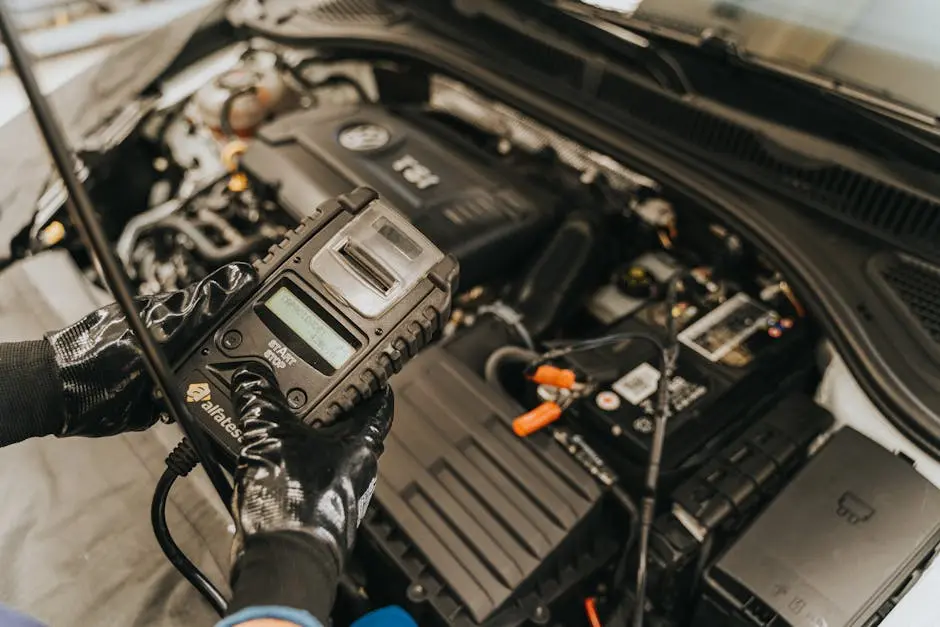
    Mechanic diagnosing a car engine with a diagnostic tool, showcasing technical expertise and automotive care.

    1. Enhanced Safety on the Road

    Calibration inspections play a crucial role in ensuring all your vehicle’s systems are accurate and responsive. This means better handling, more precise braking, and a significant reduction in the risk of accidents. Regular calibration ensures your Advanced Driver Assistance Systems (ADAS) are finely tuned. Imagine driving with confidence, knowing that your adaptive cruise control, automatic emergency braking, and lane assist features are all functioning perfectly. This meticulous attention to calibration is pivotal for maintaining a secure driving environment, especially in challenging weather conditions. Trusting that these systems will act as your second pair of eyes greatly enhances road safety, providing critical support when human errors might occur. ADAS calibration is indispensable, and neglecting it can result in system failures that might compromise your safety.

    The importance of regular calibration cannot be overstated. With automation increasingly becoming part of modern vehicles, these systems require frequent checks. Whether it’s ensuring that the sensors identify potential hazards accurately, or that your vehicle’s braking system engages preemptively during emergencies, calibration maximizes these technologies’ efficacy. Windshield calibration, for example, is crucial after any repair work, as even minor misalignments can impact ADAS operations. Hence, periodic calibration translates to continuous protection for you and your passengers, enhancing safety and reliability as you navigate the roads.

    2. Improved Fuel Efficiency

    When your vehicle is properly calibrated, it uses fuel more efficiently. This not only lowers your monthly fuel costs but also benefits the environment by reducing emissions. A well-tuned engine works in harmony, ensuring optimal fuel combustion, and reducing friction and drag. Calibration adjustments are essential for fine-tuning your fuel injection systems, throttle, and other components that contribute to the fuel consumption rate. With soaring fuel prices, saving every drop of fuel counts. Regular calibrations ensure that your car’s engine runs smoothly, burning fuel in a more controlled and efficient manner. This means fewer visits to the gas station and more money in your pocket.

    Moreover, improved fuel efficiency reduces the overall carbon footprint of your vehicle, aligning with green driving practices and lessening the environmental impact. This is increasingly important as regulations on emissions tighten. Regular calibration means your vehicle will consistently meet these standards, ensuring both sustainability and compliance. It’s a win-win situation for both you and the planet, making calibration inspections a smart strategic move for conscientious drivers.

    3. Prolonged Vehicle Lifespan

    Regular calibration inspections ensure that your vehicle’s components are not over-stressed, reducing wear and tear. This helps in maintaining your vehicle’s health, leading to a longer lifespan. By keeping everything running smoothly, calibration prevents undue strain on any single component of your vehicle, minimizing the chances of unexpected breakdowns or costly repairs. Calibration is like a good health check-up for your car, catching potential issues before they escalate into major problems.

    Without consistent calibration, components may function inadequately, causing friction, overheating, or imbalanced loads—all of which contribute to premature wear. Maintaining a schedule of regular inspections can prevent minor issues from becoming significant setbacks. This proactive approach to maintenance extends the life of your vehicle, ensuring it remains a trusty companion over the years. By investing in appropriate services, you safeguard your vehicle’s integrity, ensuring a strong and reliable performance in the long run.

    4. Accurate Diagnostic Capabilities

    Calibration ensures that diagnostic tools provide accurate information, enabling precise identification of issues. This prevents misdiagnoses and unnecessary repairs, saving you time and money. When sensors are incorrectly aligned or calibrated, they can provide faulty data, leading mechanics down the wrong path in search of problems that might not exist. Such inaccuracies can be costly—not just in terms of incorrect repairs but also in wasted time and resources.

    Accurate diagnostics streamline the entire maintenance process, allowing your mechanic to pinpoint and resolve issues efficiently. This helps build trust between you and your service provider, knowing that repairs recommended are genuinely necessary. Avoiding false positives not only saves money but also means that your vehicle isn’t unnecessarily tampered with, preserving its structural and functional integrity. The key takeaway? Calibration is vital for ensuring diagnostic accuracy, safeguarding your investment and ensuring a smoother ride.

    5. Increased Resale Value

    A well-maintained and calibrated vehicle typically fetches a higher resale price. Regular inspection records can assure potential buyers of the vehicle’s excellent condition. Buyers look for vehicles that have been lovingly cared for, and having a documented history of regular calibrations is a solid proof of ongoing maintenance. It shows that as an owner, you’ve taken measures to keep the car in peak condition, addressing potential issues before they become significant problems.

    Moreover, prospective buyers perceive a vehicle with a comprehensive calibration record as more reliable and trustworthy, reducing their buying risk. Such vehicles can command premium prices in the used car market. For you, the seller, this translates to a higher return on your original investment, potentially justifying initial outlays on regular calibrations.

    6. Compliance with Regulations

    Certain regions require vehicles to meet strict calibration standards. Regular inspections ensure compliance, saving you from potential fines or legal issues. As governments globally tighten regulations around vehicle emissions and road safety, staying compliant is crucial. Calibration inspections help guarantee that your vehicle meets these evolving standards, thereby keeping you on the right side of the law.

    Non-compliance not only jeopardizes your ability to legally drive your vehicle but might also result in fines or other penalties. Drive with peace of mind, knowing you’ve fulfilled all necessary regulatory requirements with regular calibration check-ups. This proactive approach eliminates unexpected surprises during mandated inspections or checkpoints, letting you enjoy unrestricted travel without worries.

    7. Optimized Performance

    When all systems are accurately calibrated, your vehicle performs at its best. This includes improved speed, acceleration, and overall responsiveness. Professional calibration aligns all mechanical and electronic systems, ensuring peak performance levels. Whether you’re navigating city streets or cruising down the highway, proper calibration lets your car unleash its full potential, making every drive a pleasure.

    Optimized performance not only enhances your driving experience but also contributes to the vehicle’s safety and efficiency. This balance means you can confidently enjoy your vehicle’s capabilities while knowing that you are safeguarded by precise operational systems. Regularly calibrating systems such as the alignment, suspension, and engine timing can breathe life into an older vehicle, reminding you why you fell in love with driving in the first place.

    8. Better Overall Driving Experience

    A vehicle that is in prime condition provides a smoother, more enjoyable driving experience. Knowing that every component is optimized allows you to drive with confidence. A hassle-free ride isn’t just about performance; it’s also about having peace of mind as you travel. Calibrations ensure everything is fine-tuned for seamless operations, reducing stress and reactions needed on your part.

    Every trip, whether short or long, becomes more pleasurable when you’re free from concerns about potential malfunctions or unexpected stops. The thrill of driving is in the freedom it provides, and regular vehicle calibrations ensure that nothing mars this experience. Goodbye to annoying vibrations or unexpected noises; hello to an impeccably smooth journey.

  • Understanding Your Options: A Handy Guide to RV Windshield Replacement

    Understanding Your Options: A Handy Guide to RV Windshield Replacement

    When it comes to RV maintenance, replacing a damaged windshield can be daunting. This guide offers insights into understanding your options, ensuring the replacement process is as smooth as a scenic drive.
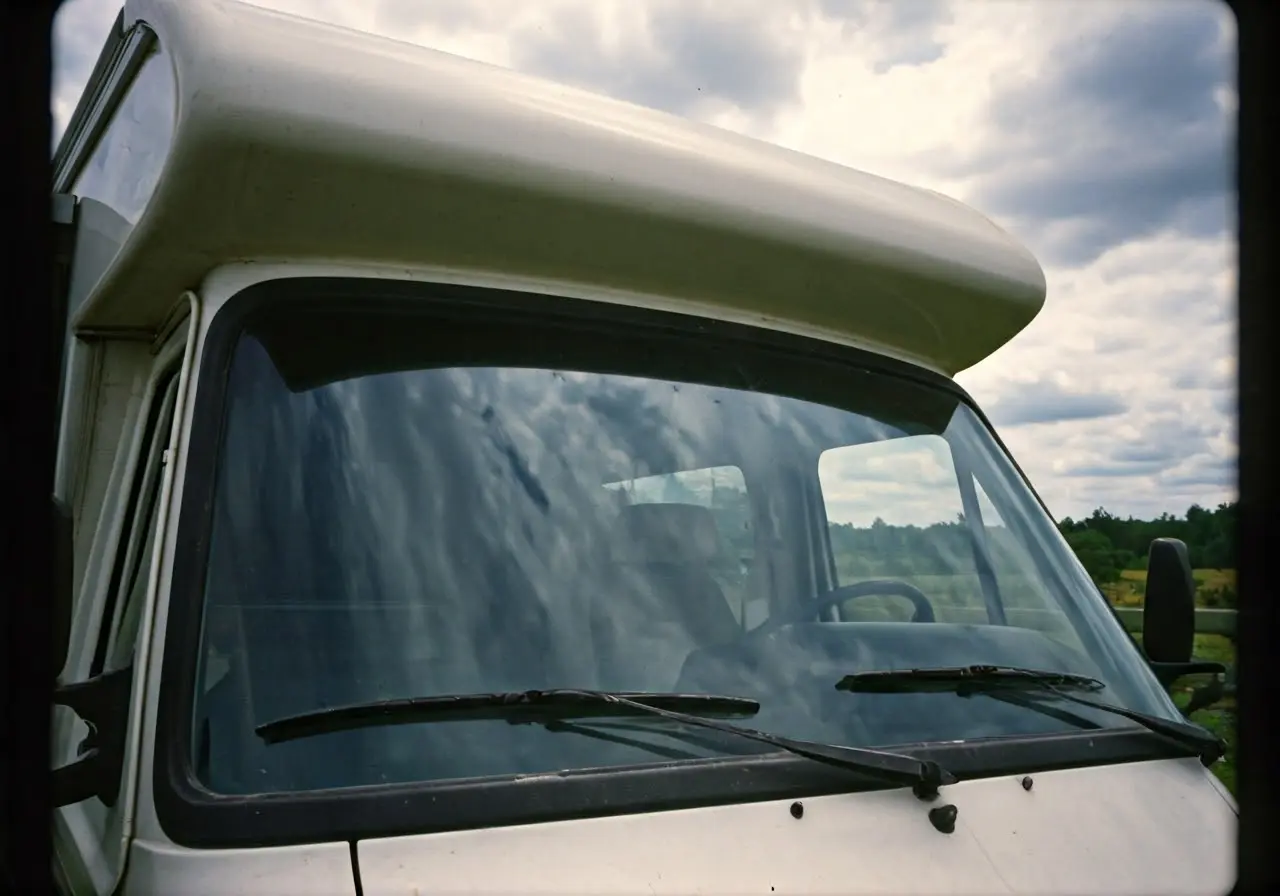
    A close-up of an RV windshield replacement under cloudy skies.

    Assessing the Damage: When to Replace Your RV Windshield

    Before diving into replacement options, it’s crucial to evaluate the extent of the damage. Understanding whether a repair is sufficient or a full replacement is necessary can save both time and money. Minor chips and cracks often arise unexpectedly but should be treated with urgency. An important consideration is the size and location of the damage. According to the Ultimate Guide to Replacing and Repairing RV Windshield Glass, small chips away from the driver’s line of sight might be repaired, but larger cracks, particularly those compromising visibility, usually require a replacement.

    Furthermore, it’s essential to consider the structural integrity of your windshield. A resource from Custom Auto Glass highlights the importance of ensuring safety and structural soundness, as the windshield plays a critical role in the vehicle’s overall safety framework. The article emphasizes the risks associated with neglecting large or worsening cracks, which might compromise safety in the event of a collision.

    Consulting a professional is highly recommended. A qualified expert will provide an assessment considering both the aesthetic and functional aspects of your windshield, guiding you to the appropriate action, be it repair or replacement.

    Exploring Your Replacement Options

    There are several routes you can take when replacing your RV windshield. From selecting the type of glass to choosing between professional installation or a DIY approach, understanding your options can simplify the decision-making process. Different types of glass can be used, such as Original Equipment Manufacturer (OEM) or aftermarket products. Mortons on the Move notes that OEM glass often ensures the best fit and safety compliance but can come at a premium price.

    Your installation choice also carries weight. The complexity of replacing an RV windshield requires skill, as improper installations can lead to leaks and weakened structural integrity. Experts from Custom Glass Solutions stress the risks of DIY replacements, recommending professional services to ensure safety and quality.

    Cost is another factor to consider. While making a decision, balance the benefits with the expenses. You can refer to our pricing page for a detailed overview of cost implications related to glass types and installation services.

    Finding the Right Professional: What to Look For

    Selecting a reputable professional is a key step in the replacement process. Evaluating credentials, experience, and reviews can help ensure you receive a quality installation. It’s vital to choose certified technicians who adhere to industry standards and use quality materials. The article 15 Quick Tips for Choosing the Best Windshield Repair Service advises on key considerations including certifications and adequate expertise.

    Reviews and testimonials can also be harbingers of a service’s reliability. Consistent positive feedback often reflects high service standards and customer satisfaction. Be wary of patterns in feedback to catch any recurring issues or praises. It may also be helpful to check if the service offers warranties as a testament to their work quality. Reputable services, like those of Big Time Glass, often come with comprehensive warranties that ensure durability and service quality.

    Cost Considerations: Budgeting for Windshield Replacement

    Understanding the costs involved in windshield replacement can help you budget effectively. This section discusses factors that influence price, including the type of glass, labor, and additional services. Prices can range widely. The replacement of an RV windshield might cost upwards of (1,000, potentially hitting the )5,000 mark, which is amplified by the labor and technical skill required for installation, as mentioned in RV Windshield Replacement: Everything You Need to Know.

    However, remember that insurance policies might cover a significant portion of these expenses, especially if you have comprehensive coverage. Each policy varies, so checking with your provider ensures you’re prepared for any potential expenses.

    Balancing cost with quality is essential—opting for the cheapest alternative can sometimes compromise safety and durability. Invest wisely in your windshield replacement for long-term peace of mind and road safety.

    Maintaining Your New Windshield: Tips for Longevity

    Once your new windshield is installed, maintaining it is essential to ensure its longevity. Learn how simple maintenance practices can protect your investment and keep your RV roadworthy. Regular cleaning and inspecting for damage are key steps, as advised by RV Glass Parts. Utilizing appropriate cleaning tools and avoiding harsh chemicals preserve the glass’s durability and clarity.

    Inspect your windshield seals regularly to prevent leaks and potential water damage. Seals deteriorate over time with weather exposure, so proactive checks and timely repairs can save future hassle and expense. Consider protecting your RV from extreme temperature shifts by parking in shaded areas or using thermal covers.

    Ultimately, ongoing care and prompt attention to minor issues maintain your windshield’s integrity and extend its lifespan, safeguarding your investment and ensuring that your travels remain visually delightful and safe.

    Taking the Wheel on RV Windshield Replacement

    While replacing an RV windshield might seem overwhelming, understanding the process can make it manageable. With the right knowledge and precautions, you can ensure a successful replacement that will have you back on the road in no time. Visit Big Time Glass for expert services and more detailed information.

  • What Should I Know About Tesla Windshield Replacement?

    What Should I Know About Tesla Windshield Replacement?

    If you’re a Tesla owner facing a cracked or damaged windshield, you might have several questions about the replacement process. From warranty coverage to the type of glass used, understanding the intricacies involved can help make the process smoother and less stressful.

    Tesla windshield replacement with shattered glass in workshop setting.

    Understanding Tesla’s Warranty Coverage

    Determine whether your Tesla’s warranty covers windshield replacement, which typically depends on the nature of the damage and the age of your vehicle.

    When considering Tesla windshield replacement, it’s crucial to first evaluate whether the damage falls under warranty coverage. Generally, Tesla’s new vehicle limited warranty may cover certain defects in materials and workmanship, which can include the windshield. However, damages caused by road hazards or external impacts, such as flying debris, typically require separate coverage through insurance.

    Tesla also offers an extended Service Plan that might cover windshield replacement under specific circumstances. It’s essential to review the details of your coverage or contact Tesla directly to understand your entitlements. Consulting your insurance provider about your glass coverage can further reveal if you’re protected against unexpected costs. For more insights, the ‘Windshield Repair vs Replacement’ guide could provide additional perspectives on how these factors interplay.

    Choosing OEM or Aftermarket Glass

    Learn the importance of selecting Original Equipment Manufacturer (OEM) glass for compatibility with Tesla features and the potential benefits and drawbacks of aftermarket alternatives.

    Choosing the right type of glass is pivotal for maintaining your Tesla’s functionality, especially considering the intricate technologies involved, like sensors for Autopilot calibration. OEM glass is manufactured to the exact specifications of Tesla’s original parts, ensuring a perfect fitment and reliability. This is critical because Tesla’s design incorporates numerous sensors and cameras integral to vehicle safety systems.

    While aftermarket glass may offer cost savings and availability benefits, it may not always align perfectly with Tesla’s built-in technology. These variations in glass can affect the performance of safety features and even lead to inaccuracies in the sensor inputs. Therefore, understanding the difference between OEM and aftermarket options is crucial in making an informed decision. Opting for OEM is often the safer choice if maintaining the vehicle’s original performance and warranty is paramount.

    Finding a Qualified Service Provider

    Identify the best service providers for Tesla windshield replacement, focusing on authorized service centers and experienced professionals to ensure quality repairs.

    Selecting a qualified service provider for your Tesla windshield replacement is essential to guarantee proper installation and re-calibration of the vehicle’s advanced systems. Tesla-approved service centers or Tesla-approved repair facilities are equipped with the specialized tools and expertise needed for these specific vehicles.

    These authorized professionals not only replace the windshield but also ensure the meticulous re-calibration of ADAS elements. Working with technicians who understand the nuances of Tesla dynamics ensures that features like lane assistance and emergency braking maintain optimal function post-replacement. If you’re considering alternatives, verify their certification and experience with Tesla models for peace of mind, and always prioritize safety and accuracy.

    The Importance of Advanced Driver Assistance Systems (ADAS) Calibration

    Understand the necessity of re-calibrating your Tesla’s ADAS after a windshield replacement to maintain the proper functioning of features like autopilot and collision avoidance.

    Re-calibrating your Tesla’s Advanced Driver Assistance Systems (ADAS) after a windshield replacement is integral for maintaining vehicle safety and performance. The windshield not only acts as a barrier but also a platform for housing sophisticated sensors linked to your vehicle’s smart systems like Autopilot and collision control.

    A precise calibration is particularly essential after any windshield service because even the subtlest displacements or misalignments can lead to inaccurate sensor readings. Incorrect sensor data could lead to malfunctions in automated driving features, potentially comprising safety features essential for secure driving. For insights into the process and why calibration is pivotal, our ‘Windshield Woes guide’ offers detailed information.

    Steps to Take Post-Replacement

    Follow these crucial post-replacement steps including ensuring the integrity of the seal and familiarizing yourself with any indications of suboptimal replacement.

    Once your Tesla’s windshield has been successfully replaced, there are several post-replacement steps to ensure everything operates optimally. Begin by checking that the seal around the windshield is fully intact; this prevents water leaks and maintains the structural integrity of the car. Moreover, monitor for any signs such as whistling noises during driving, which might indicate improper sealing or installation errors.

    Familiarize yourself with any new symbols on the dashboard, as re-calibrated or newly installed systems may temporarily flash indicators until fully integrated. It’s also wise to avoid power washing your vehicle or exposing it to extreme temperatures shortly after replacement to ensure the adhesive cures correctly. Consulting professionals at a qualified auto glass center for any concerns post-replacement can provide added assurance and safety verification.

    Key Takeaways for Tesla Windshield Replacement

    Tesla windshield replacement can seem daunting, but with the right information, it is manageable. Remember to verify your warranty, select the correct glass, and always choose quality service providers. Prioritize seeking repairs quickly to ensure your safety and road readiness.

  • 12 Myths About Windshield Repair: Busted!

    12 Myths About Windshield Repair: Busted!

    Windshield repair is a topic filled with misconceptions. In this blog, we’re debunking common myths surrounding windshield repair to help you make informed decisions about your vehicle’s safety and maintenance.
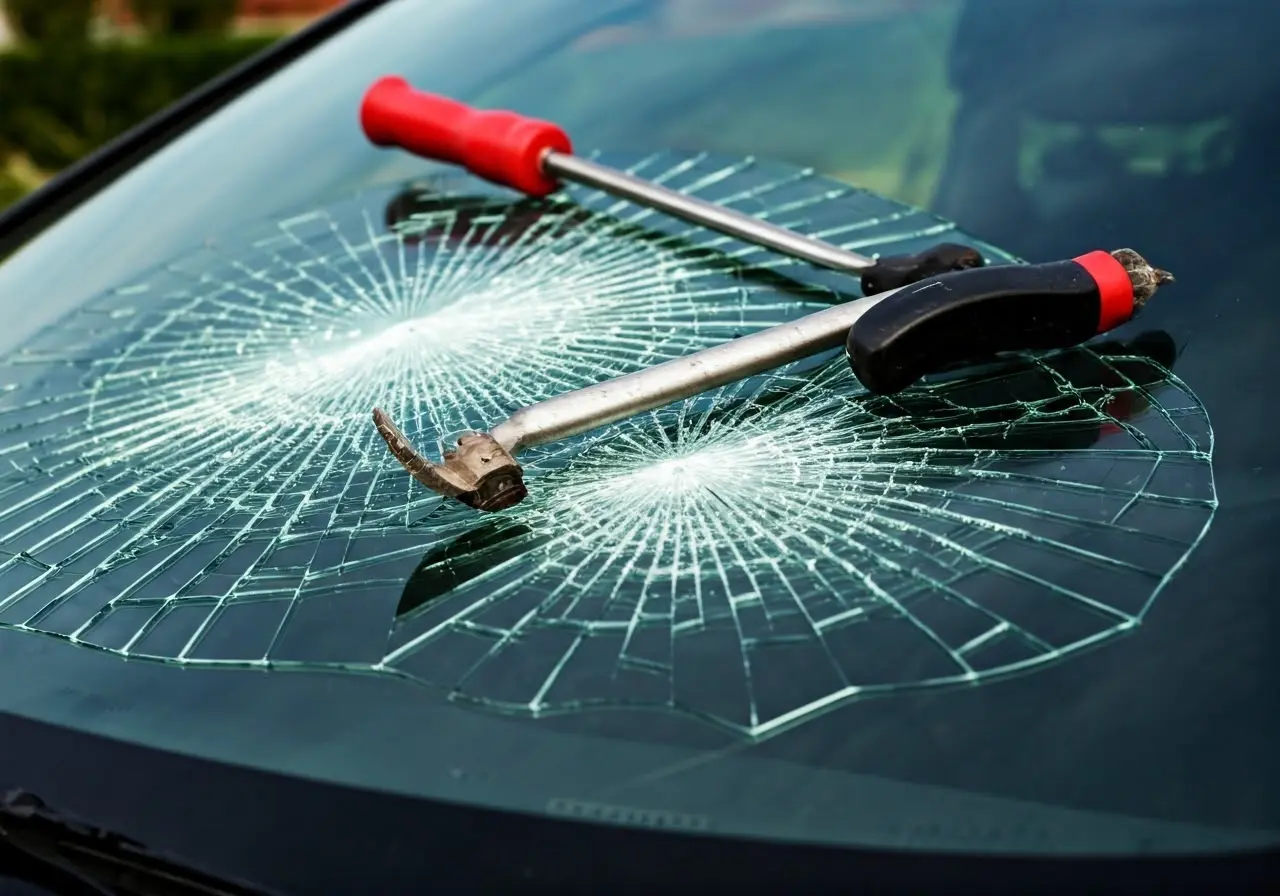
    Cracked car windshield repair tools on a car hood.

    1. Cracks Can Be Ignored

    One of the biggest myths is that small cracks or chips can be ignored. In reality, even tiny imperfections can spread quickly, compromising the structural integrity of your windshield. Ignoring these issues might seem tempting, but it could lead to more significant damage. According to the Hidden Dangers of Ignoring Auto Glass Damage by Big Time Glass, overlooking a crack can not only affect visibility but also weaken the windshield’s support in case of an accident.

    Cracks can grow due to temperature fluctuations or vibrations from driving, making it essential to address them promptly. As highlighted in the Windshield Woes guide, timely repairs can prevent minor blemishes from turning into more extensive and costly issues.

    2. DIY Kits Are Just as Effective

    Many believe that do-it-yourself kits can match professional repairs. However, these kits often lack the quality and expertise required for a reliable fix. While they may seem cost-effective at first, they can result in inadequate repairs that fail to address the problem fully. Miracle Auto Glass Company points out that the expertise of professional services ensures that repairs are done correctly and safely, preventing future issues from arising.

    Professional assessments provide additional benefits, such as detecting underlying issues not apparent to the untrained eye. Ensuring the integrity of your auto glass is vital for the safety of your vehicle, and relying on experts ensures peace of mind. Ultimately, opting for professional services provides exceptional quality and efficiency, which is crucial for maintaining a reliable and safe vehicle environment.

    3. Insurance Won’t Cover Repairs

    Contrary to popular belief, many insurance policies do cover windshield repairs, often with little to no out-of-pocket costs for policyholders. It’s important to understand your insurance policy thoroughly and to communicate with your provider to know what’s covered. As discussed in Big Time Glass’s article on the Hidden Dangers of Ignoring Auto Glass Damage, many policies are designed to handle windshield repairs without financial strain on the vehicle owner.

    Filing an insurance claim for windshield repair can often be straightforward and hassle-free. Many insurance companies acknowledge the preventative value of covering such repairs, as it reduces future claims for more extensive damage. This proactive approach is not only advantageous for them but also pivotal in promoting road safety by encouraging timely repairs.

    4. Repair Means Replacing the Entire Windshield

    People often assume that repairing a windshield means replacement, but many chips and cracks can be fixed without the need for a full replacement. It’s vital to assess the extent of the damage accurately to determine the best course of action. For smaller chips and minor cracks, modern repair techniques effectively restore the windshield’s integrity, avoiding the need for a complete swap.

    Repairing rather than replacing can be far more economical and conserves resources, including the original windshield seal. The Windshield Woes guide encourages vehicle owners to consider repair as a viable first option, particularly when the damage is minimal.

    5. Windshield Repair Takes a Long Time

    Some drivers hesitate to seek repairs due to time concerns. In fact, most fixes are quick and can be done in less than an hour. Professional auto glass services typically offer efficient turnaround times without sacrificing quality. The streamlined processes of trusted service providers, such as those offered by Big Time Glass, are designed to fit repairs into even the busiest schedules.

    6. Cracks Will Stop Spreading on Their Own

    It’s a myth that cracks will stabilize and not grow. Varying temperatures and road vibrations can exacerbate damage without timely intervention. Miracle Auto Glass Company emphasizes the importance of addressing even minor damage promptly to prevent costly issues later on.

    7. Cold Weather Helps with Repairs

    A common misconception is that cold weather aids in maintaining a crack. In reality, cold can make cracks more severe by contracting and expanding the glass. Rapid changes in temperature, such as those experienced when using a vehicle’s defroster, can exacerbate existing damage quickly.

    8. All Repair Shops Offer the Same Service

    Quality varies among repair shops. It’s essential to choose a reputable provider to ensure expert service and lasting results. As pointed out in the Articles section by Big Time Glass, specialized services ensure that repairs are done effectively and provide long-term benefits.

    When selecting a repair service, consider their reputation, reviews, and the equipment they use. Opting for experienced professionals who prioritize quality over quick fixes can save you time, money, and additional worries in the future.

    9. Any Crack Can Be Repaired

    Not all cracks are repairable. If a crack is too large or in critical areas, replacement may be the only option. Professionals can assess the severity of the damage and provide recommendations that ensure your vehicle’s safety. Cracks that are longer than a dollar bill or that interfere with the driver’s line of sight typically require replacement to maintain compliance with vehicle safety standards.

    10. Repair Costs Always More Than Replacement

    It’s a myth that repairs cost more. In most cases, repairing a windshield is more affordable than replacing it entirely. Quick repairs can prevent further damage, keeping costs lower than the escalating expense of full replacement.

    11. A Repaired Windshield Is Just as Good as New

    While repairs can restore the integrity and appearance of the glass, it may still bear slight markings or cosmetic differences post-repair. However, ensuring the windshield serves its protective function should be the main priority, with aesthetics being a secondary concern. Repairs generally restore the windshield’s strength, which is crucial for safety, even if slight blemishes remain.

    12. Repair Affects the Warranty

    Another myth is that repairing a windshield alters the car’s warranty. Most repairs are covered under warranty agreements, maintaining the warranty’s validity. It’s essential to verify with your manufacturer or dealer service department, but most repair operations will not affect the original warranty coverage, especially if performed by certified professionals.

  • What Types Of Auto Glass Problems Can Be Fixed?

    What Types Of Auto Glass Problems Can Be Fixed?

    When it comes to auto glass issues, not every problem demands a complete replacement. In many cases, a repair might be all you need. In this FAQ blog, we’ll explore common auto glass problems and determine which ones can be fixed, saving you time and money.
    Cracked windshield with sun reflection above city skyline. 35mm stock photo

    What Constitutes a Repairable Crack or Chip?

    Small cracks and chips, typically less than a quarter in size, can often be repaired if they are not located directly in the driver’s line of sight. Quick attention to these minor damages can prevent further spreading and avoid a full replacement.

    These repairs involve injecting a specialized resin into the damaged area, which is then cured and polished to restore the windshield’s strength and clarity. This method is both cost-effective and efficient, often taking less than an hour to complete. However, the success of the repair heavily depends on addressing the issue promptly. Understanding these nuances ensures that you handle auto glass issues effectively.

    Interestingly, modern techniques have evolved to make such repairs not only more durable but also less visible. Often the appearance of a minor chip or crack can be dramatically improved after repair, although it might not be completely invisible. As the glass is a vital component of the vehicle’s structure, opting for professional assessments ensures that your windshield is back in top condition.

    Assessing Surface Scratches

    Surface scratches on your auto glass might seem worrying, but many are superficial and can be buffed out or polished without needing a costly replacement.

    When the scratches affect visibility or appear too deep, the expertise of auto glass professionals comes into play. They use specialized tools and compounds that are designed specifically for glass restoration, ensuring that these scratches are removed without affecting the glass’ integrity. It’s crucial to act sooner rather than later, as delays could allow rust or further damage to set in.

    Dealing with Edge Cracks

    Edge cracks can be trickier due to their position and risk of spreading. Depending on their length and location, it might be possible to repair them if addressed early.

    The complexity of edge cracks typically arises from their potential to expand rapidly, given their proximity to areas of high stress on the windshield. Quick and timely repairs are vital in these scenarios. These repairs can extend the life of the auto glass significantly, although not all edge cracks are eligible for repairs, especially those that span beyond six inches.

    If left untreated, an edge crack can compromise the entire windshield, necessitating a replacement. Therefore, staying informed about your auto glass issue, which you can learn through resources like Repairing Vs. Replacing: Life Expectancy Of Auto Glass, helps prolong the life and safety of your vehicle.

    Can Bull’s Eye Chips Be Fixed?

    Bull’s eye chips, which resemble a target shape, are often repairable, especially if the damage does not obstruct any sensors or cameras typically found on modern vehicles.

    These types of chip repairs are very common and quite successful when performed correctly. They are usually fixed using the same resin injection method mentioned earlier, which restores the windshield’s structural integrity and its smooth surface. Such damages, if addressed quickly, can be less visible after repair, blending with the rest of the glass almost seamlessly. For more on how such advancements in repair technology serve vehicle owners effectively, explore trends in auto glass.

    When is a Full Replacement Necessary?

    Knowing when a replacement is unavoidable is crucial. Larger cracks, multiple chips, or damage directly in the driver’s view often require a new pane for safety and functionality reasons.

    Sometimes it’s about more than the visibility—it’s also about safety. Extensive fracturing or damages impacting critical areas of the auto glass can jeopardize the structural support of your vehicle. Such situations necessitate a complete replacement to ensure safety, particularly during rollovers or airbag deployment. Moreover, newly evolving technologies in vehicles, like ADAS, render recalibration necessary after windshield installation, something to bear in mind while considering replacements.

    A qualified technician can provide advice based on the assessment of the damage. This ensures that all replacements align with the highest standards of safety and manufacturer specifications. Detailed discussions can prevent costly errors and enhance the durability of your auto glass components. For expert assistance, consider scheduling a service with Big Time Glass specialists.

    Fixing Auto Glass: A Practical Solution

    Understanding the types of auto glass problems that can be fixed can help you make informed decisions. Always consult with a professional for an accurate assessment and safety assurance. By opting for repairs when possible, you can maintain the integrity of your vehicle at a lower cost.

  • The Ultimate Guide to RV Auto Glass Care in Phoenix

    The Ultimate Guide to RV Auto Glass Care in Phoenix

    Caring for your RV’s auto glass is essential for maintaining a clear view of the road and ensuring your vehicle’s safety. In Phoenix’s unique climate, RV owners face specific challenges due to high temperatures and frequent dust storms. This guide will help you navigate the essentials of RV auto glass care, ensuring your adventures are as smooth and safe as possible.

    A clean RV windshield with a scenic Arizona desert background. 35mm stock photo

    Understanding the Importance of RV Auto Glass Maintenance

    Your RV’s auto glass does more than simply shield you from the elements; it plays a critical role in the vehicle’s structural integrity. Proper maintenance can prevent small issues from turning into costly repairs.

    Maintenance involves regular inspections that are crucial, especially considering the harsh conditions in Phoenix that can exacerbate problems like small chips or cracks. These perils can compromise not only the integrity but also the safety of your entire vehicle. The importance of proactive measures cannot be overstated, as they can detect minor issues before they escalate into substantial damage.

    Besides financial savings, diligent auto glass care fosters a safer driving experience. A well-maintained windshield provides optimum visibility, reducing the likelihood of accidents and enhancing your overall road safety. Therefore, understanding these benefits truly underscores the necessity for consistent maintenance routines.

    Common RV Auto Glass Issues in Phoenix

    Phoenix’s harsh climate can take a toll on your RV’s auto glass. Learn about the most common issues, including heat-induced cracks and damage from dust and debris, and how to identify them early.

    One of the primary problems faced by RV owners in this area is the development of cracks due to extreme temperature fluctuations. With scorching summer temperatures, the glass expands, and when night falls or seasons change, it contracts. Over time, this can lead to stress fractures. In addition to this, rampant dust storms in the Arizona area can cause abrasive damage to your vehicle’s glass surfaces.

    Effective Cleaning Techniques for RV Auto Glass

    Keeping your RV’s windows clean is crucial for visibility and longevity. Discover the best cleaning practices, suitable products, and techniques to tackle stubborn dirt and grime effectively.

    Utilizing microfiber cloths and an ammonia-free cleaner can ensure that your RV’s windows are left streak-free and clear. Regular cleaning using circular motions is highly recommended as it helps in evenly distributing pressure and prevents stripe formations. Moreover, by incorporating gentle cleanser solutions, you can be assured of minimized damage to rubber seals and plastic components that surround the glass.

    Tips for Preventing Damage to Your RV Auto Glass

    Preventative measures can save you time and money. Learn strategies to minimize damage from road debris, fluctuating temperatures, and other environmental factors inherent to the Phoenix area.

    Opt for parked areas that provide shelter from both direct sunlight and severe winds to reduce external stress on your auto glass. When traveling, maintain a safe distance from other vehicles to avoid chips and cracks caused by small stones or debris kicked up from tires.

    When and How to Seek Professional Help

    Not all issues can be addressed with a DIY approach. Understanding when to consult professionals for repairs or replacements can ensure optimal care for your RV’s auto glass.

    When cracks expand or your visibility becomes impaired, it is crucial to seek professional assessment and consultation promptly. Experts specialized in RV auto glass can offer precise solutions and repair or replace necessary components swiftly, facilitating a safer driving experience for you and your loved ones.

    Keep Your View Clear and Safe on the Road

    By following the tips and tricks outlined in this guide, you can ensure your RV’s auto glass is well-maintained and ready for all your road adventures. Regular care and timely repairs will not only enhance your safety but also extend the lifespan of your vehicle’s glass surfaces. Embrace the open road and enjoy the beautiful Phoenix scenery with confidence, knowing your RV’s windows are in top condition. Check out more useful information about RV auto glass care from experts who understand Phoenix’s climate!

  • How Does ADAS Calibration Affect My Vehicle’s Safety?

    How Does ADAS Calibration Affect My Vehicle’s Safety?

    Advanced Driver Assistance Systems (ADAS) are at the forefront of automotive safety technology. Their precision and accuracy largely depend on proper calibration. This blog dives into the crucial role ADAS calibration plays in ensuring your vehicle’s safety.
    Close-up of a vehicle sensor receiving diagnostic calibration. 35mm stock photo

    What is ADAS Calibration?

    ADAS calibration refers to the precise alignment and setting of the sensors and cameras that support driver assistance systems to ensure they operate as intended.

    The process is akin to fine-tuning your vehicle’s senses, ensuring each camera and sensor sync to interpret the environment accurately. This precision means your vehicle’s abilities, such as adaptive cruise control and automatic emergency braking, function correctly and react promptly to potential hazards.

    Modern vehicles often employ a combination of radars, cameras, and sensors positioned near crucial structural components, such as the windshield, making calibration essential after any glass replacement or accident. These systems work in concert to reduce accident risks, and maintaining their accuracy is key to their effectiveness.

    Why is ADAS Calibration Necessary?

    Calibration is necessary to maintain the accuracy of ADAS. As sensors and cameras can be misaligned during repairs, upgrades, or even manufacturing, ensuring correct calibration is crucial for reliable performance.

    A misaligned sensor can turn your vehicle’s technological insights into misleading or faulty data, resulting in dangerous outcomes like false alerts or unresponsive systems during emergencies. This can lead not only to inconvenience but also to potential accidents if not addressed.

    Learn how ADAS calibration can impact your safety. The technology requires precise setup to function under various conditions, safeguarding you and others on the road.

    How Does Proper Calibration Enhance Safety?

    Proper calibration ensures ADAS features such as lane departure warnings, adaptive cruise control, and collision avoidance systems function accurately, which significantly reduces the risk of accidents.

    For example, an accurately calibrated lane departure system during bad weather conditions prevents drifts that could lead to collisions. Calibration allows each ADAS feature to perform with the precision intended by its design.

    Read up on why windshield repairs are essential to maintain alignment with safety systems that prevent lane drifting or improper airbag deployment during serious accidents.

    Systems such as automatic emergency braking are designed to react faster than humans, correcting potentially hazardous situations before they escalate. Successful system operation hinges on the calibration status and dictates vehicle response, directly affecting safety.

    Signs That Your ADAS May Need Recalibration

    Indicators like dashboard warnings, system malfunctions, and post-collision repairs suggest the need for recalibration to ensure continued safety.

    Other telltale signs include erratic behavior in features like adaptive cruise control or lane-departure alerts, which are crucial components relying on precise input from sensors. It’s advised to act swiftly on these warnings, scheduling recalibration promptly.

    Get comprehensive insights about the need for ADAS recalibration after modifications to parts critical to ADAS functioning like your windshield.

    ADAS Calibration: DIY or Professional Service?

    While some calibration tasks might seem manageable, professional service is recommended to guarantee precision and system integrity, as specialized equipment and expertise are often needed.

    ADAS calibration is a specialized process requiring precise instruments and skilled technicians to ensure successful results. Attempting DIY calibration can lead to improper alignment, risking safety features’ reliability.

    Technicians trained in calibration often follow detailed protocols specific to vehicle make and model, using equipment designed for high accuracy. This enhances system reliability and ensures compliance with manufacturer standards.

    The Importance of Regular ADAS Calibration

    In conclusion, regular ADAS calibration is essential for maintaining optimal vehicle safety. By ensuring your systems function correctly, you not only protect yourself but also contribute to safer roads for everyone.

  • Can I Drive Without ADAS Recalibration After a Windshield Change?

    Can I Drive Without ADAS Recalibration After a Windshield Change?

    Many modern vehicles come equipped with Advanced Driver Assistance Systems (ADAS) which enhance vehicle safety through features like lane departure warnings and automatic braking. After a windshield replacement, it’s common to wonder if it’s necessary to recalibrate these systems. This FAQ aims to clarify that concern and guide you through the necessary steps.
    A car windshield being replaced in a repair shop. 35mm stock photo

    What is ADAS and Why is Recalibration Necessary?

    ADAS includes systems like adaptive cruise control and collision avoidance, all reliant on precise sensor readings. Recalibration ensures these systems function correctly, particularly after changes such as a windshield replacement, where sensors might be displaced. The windshield isn’t just a barrier against the elements; it’s integral to the functionality of ADAS. A slight shift in the windshield can lead to sensor misalignment, causing these systems to falter in critical moments.

    Advanced Driver Assistance Systems (ADAS) represent a significant advancement in vehicle safety technologies. They operate using cameras and sensors often embedded in and around the windshield, making accurate recalibration vital after any glass replacement. According to an insightful perspective from D&S Glass Service, overlooking recalibration can jeopardize system reliability and thus, travel safety.

    Consequences of Skipping ADAS Recalibration

    Ignoring recalibration can lead to faulty or inefficient ADAS operation, jeopardizing safety. Incorrect sensor information might cause features to malfunction, potentially leading to dangerous driving situations. When ADAS isn’t functioning properly, it may lead drivers to develop a false sense of security, undermining the vehicle’s safety systems.

    Forbes highlights the significant risks associated with driving without ADAS recalibration after a windshield replacement. Malfunctions can result in inaccurate lane-keeping alerts, misjudged distances in adaptive cruise controls, and even erratic automatic emergency braking. Such misalignments can not only endanger drivers and passengers but also implicate them legally in the event of an accident.

    When to Recalibrate After a Windshield Replacement

    It’s recommended to recalibrate ADAS immediately following a windshield change. This ensures the system’s functionality is up to standard and that you’re driving with all safety features fully operational. Failing to do so promptly might leave drivers unaware of potential malfunctions until an emergency situation arises.

    Recalibration should be part of standard windshield replacement procedures to align ADAS systems accurately. If you encounter dash warnings or notice ADAS features not functioning as expected, seek immediate recalibration. These are key signals indicating the necessity for recalibration.

    How is ADAS Recalibration Performed?

    Recalibration procedures vary by vehicle make and model but generally involve specialized equipment and skillful adjustment. Ensuring qualified professionals conduct the recalibration is crucial for accurate results. Dynamic recalibrations, for instance, require technicians to conduct tests while driving the vehicle to ensure systems are recalibrated according to manufacturer specifications.

    For a better understanding of the recalibration process, check the comprehensive windshield Calibration guide provided by Big Time Glass. It explains how the process can differ between static and dynamic methods based on the specific systems integrated into your vehicle. Employing experts ensures that your vehicle’s ADAS features function as intended, maximizing safety and reliability.

    Cost and Time Considerations for Recalibration

    Recalibration can be an additional expense and might require some time, but this investment is minor compared to the safety benefits and potential costs of safety feature failures. Many drivers find the cost negligible when weighed against the potential for serious accidents caused by ADAS malfunctions.

    It’s worth exploring the trends in auto glass technology to understand how advancements are shaping the field. As ADAS technology becomes standard in more vehicles, recalibration services are expected to become more widely available, which could impact pricing and timing.

    Final Thoughts on ADAS Recalibration

    In conclusion, while it might be tempting to drive without recalibrating your vehicle’s ADAS after a windshield change, it’s not a risk worth taking. Ensuring your ADAS is accurately calibrated is pivotal for your safety and the optimal functioning of your vehicle’s advanced safety features. For more details on how to keep your vehicle in top condition, visit Big Time Glass.

  • Why Windshield Repair Is Essential for Vehicle Safety

    Why Windshield Repair Is Essential for Vehicle Safety

    Windshields serve as an integral component of a vehicle’s safety system. However, minor damage can easily escalate into critical problems without prompt repairs. Understanding the importance of windshield maintenance can significantly enhance your driving safety.

    A cracked windshield with a cityscape visible in the background. 35mm stock photo

    The Role of a Windshield in Vehicle Safety

    A windshield is more than just a protective screen against the elements. It plays a vital role in maintaining the structural integrity of your vehicle and ensuring the proper deployment of airbags during collisions. When a strong structural foundation is compromised by a damaged windshield, the risk of having the roof collapse in an accident increases dramatically. According to Consumer Reports, the advanced driver assistance systems (ADAS) included in contemporary vehicles mount sensors on or near the windshield, greatly impacting safety. By maintaining a clear and solid windshield, you are investing in the safety systems that could prevent accidents in the first place.

    Moreover, the windshield acts as a backstop for airbag deployment, providing a secure surface to ensure airbags inflate in the intended direction towards the passenger. Without a proper windshield, the airbag can malfunction, potentially leading to severe injuries. Implementing only the best quality materials and repair methods is crucial to guarantee a windshield can manage these responsibilities effectively. For a detailed understanding of how windshields contribute directly to vehicle safety, refer to Windshield Woes: What Every Car Owner Should Know.

    Common Types of Windshield Damage

    Understanding the different types of windshield damage, from chips to cracks, can help you recognize when professional repair is necessary. Each type poses unique challenges to drivers. A small chip, for instance, might seem inconsequential at first. However, factors like temperature changes and road vibrations can worsen the damage, turning a simple fix into a costly problem. According to the American Automobile Association (AAA), even a small crack requires immediate attention to prevent further damage that can obstruct vision or compromise the windshield’s integrity.

    Chips and cracks can impair visibility and distort the light passing through the glass, which is particularly hazardous when driving in low-light conditions or during harsh weather. The general recommendation is to address chips and small cracks promptly, using professional service to ensure the windshield’s strength is fully restored. Learn more about why it’s crucial to address these types of damages quickly from Liberty AutoGlass.

    Risks of Ignoring Windshield Damage

    Neglecting windshield damage can lead to increased vulnerability in accidents, reduced visibility, and potential escalating costs in case of a full replacement. Addressing issues early saves both time and money. A study highlights how minor damage can compromise the glass’ structural strength, increasing the likelihood of shattering during an impact, and thus increasing the risk of serious injury to vehicle occupants.

    Moreover, driving with a damaged windshield can be illegal in some regions due to safety regulations, fitting well within concerns set by organizations such as Consumer Reports. This means that not only are you putting safety at risk by delaying repairs, but you’re also risking potential fines and legal issues. Efficient windshield repair and maintenance can prevent a minor issue from evolving into a major safety concern.

    The Benefits of Prompt Windshield Repair

    Timely repairs can enhance visibility, restore structural support, and extend the lifespan of your windshield. It’s a cost-effective measure to prevent more severe damage and ensure compliance with safety regulations. Proactive repairs can also prevent the windshield from curing improperly, which can cause challenges not only to the structural integrity but also to electronic safety systems, like those integrated with ADAS. A recent Guide on Windshield Replacement Myths stresses the importance of acting swiftly to prevent long-term issues.
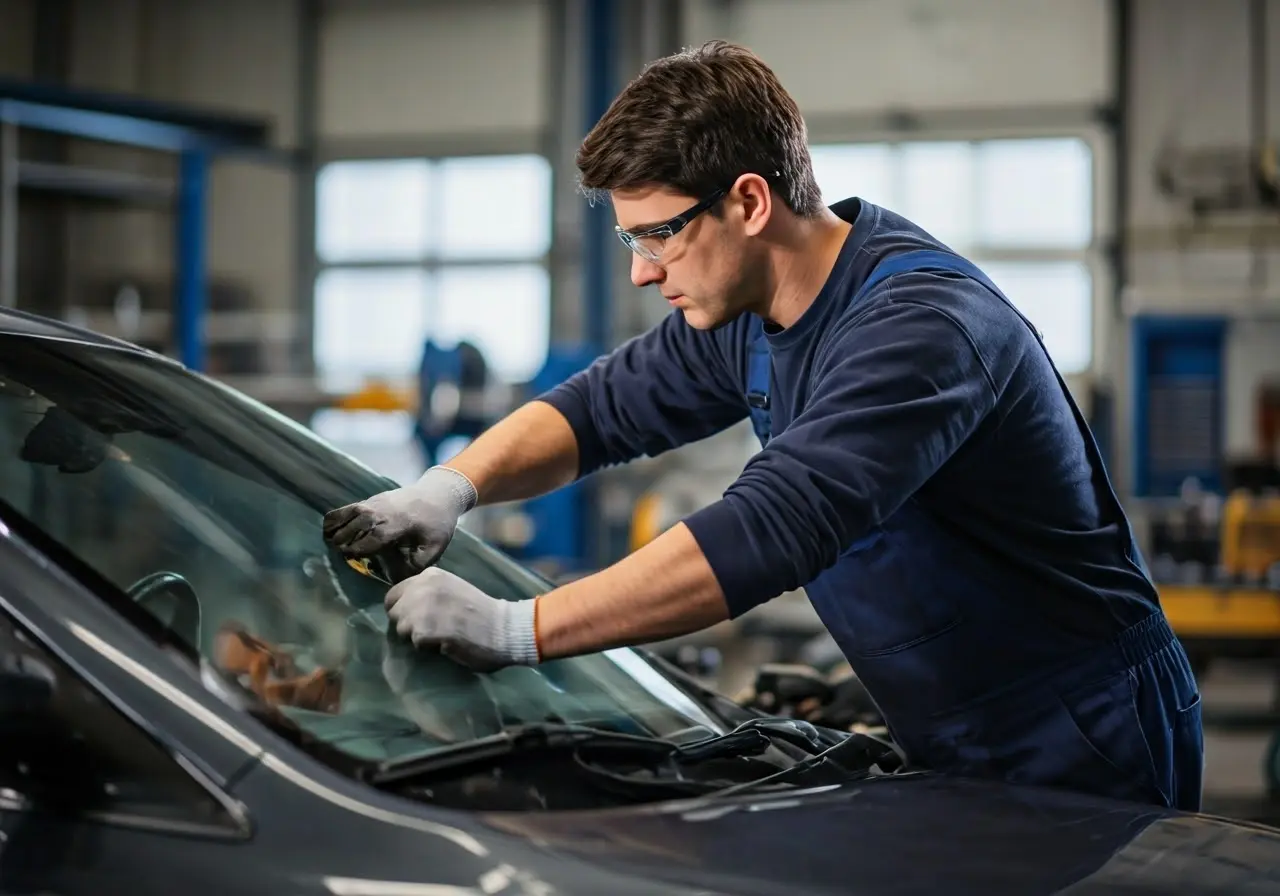
    Prompt repair alleviates worry, knowing that your vehicle’s safety systems operate effectively without interference. This helps maintain manufacturer warranties, ensuring ongoing support and service without added cost. Ultimately, it also secures your peace of mind—knowing you have taken necessary steps to uphold safety standards for every journey.

    Choosing a Professional Windshield Repair Service

    Selecting the right repair service ensures high-quality results. Consider factors such as certification, experience, and customer reviews when choosing a professional to handle your windshield repair needs. It’s essential to find a licensed and certified technician, as the process of repair and replacement now often involves meticulous re-calibration of sophisticated components such as those involved in ADAS systems. Learn more about these crucial details from the Unregulated Auto Glass Industry.

    Certification ensures that repair services follow strict protocols during installation and provide guarantees on the work done. At Big Time Glass, our specialists are committed to not only meeting but exceeding industry standards, ensuring your windshield replacement provides the best protection. Our skilled technicians engage in ongoing education and training to keep up with technological advancements and maintain safety excellence.

    Ensuring Safety Through Timely Repairs

    In conclusion, timely windshield repair is crucial for maintaining vehicle safety and preventing potential hazards. By addressing windshield issues proactively, you ensure the safety of not only yourself but also your passengers and other road users. Investing in quality repairs is an investment in your safety on the road. Visit Big Time Glass for expert auto glass replacement and repair services.

  • What Are the Safety Benefits of Car Windshield Replacement?

    What Are the Safety Benefits of Car Windshield Replacement?

    Car windshield replacement isn’t just about keeping your vehicle looking good; it’s also crucial for your safety on the road. Let’s explore how a new windshield can protect you and your passengers.
    Close-up of a car windshield being installed or replaced. 35mm stock photo

    Why is Your Windshield Important?

    Your windshield is more than just a piece of glass. It provides structural support, helps with airbag deployment, and protects you from flying debris.

    Imagine driving down the highway, everything seems perfect until you suddenly hear a loud crack. It’s a rock that has struck your windshield, leaving a noticeable mark. Now, while this might seem like just a visual nuisance, the windshield actually plays a critical role in your car’s overall safety system. Not only does it protect you from wind, rain, and debris, but it also contributes significantly to the structural integrity of your car. This is especially vital in the event of a rollover accident, where the windshield can help prevent the roof from collapsing.

    Moreover, modern windshields are often integrated with Advanced Driver-Assistance Systems (ADAS). These systems rely on sensors and cameras typically mounted on or near the windshield to function correctly. Therefore, a damaged windshield can impact the effectiveness of features such as lane departure warnings and forward collision alerts. Ensuring your windshield is intact is not just about personal safety but maintaining these sophisticated safety systems as well. You can learn more about the technological advancements in windshield safety through our Windshield Woes guide.

    How Does Damage Affect Safety?

    Cracks and chips in your windshield can compromise its strength, impair vision, and increase the risk of accidents.

    A seemingly minor chip in the glass surface can escalate rapidly, transforming into a serious safety hazard. When a windshield is compromised, its ability to take on impacts diminishes significantly. This increases the risk of shattering upon impact, putting passengers at risk not only from the glass itself but also from the loss of structural integrity. Additionally, even small chips can distort light, making it hard to see clearly and potentially impacting driving decisions. Ignoring these damages is not just detrimental to your visibility but can also be legally questionable as driving with a damaged windshield is considered unsafe in many regions.

    When we consider the implications of damaged windshields, it’s more than just the immediate physical dangers. According to Three Rivers Auto Glass, such damages often lead to increased repair costs over time if not addressed promptly. It’s simple—what starts as a small repairable chip can develop into an irreparable crack that necessitates a full replacement, which is notably more expensive. It’s a wise investment to address these issues sooner rather than later.

    The Impact of Structural Integrity

    A strong windshield is crucial for maintaining the structural integrity of your vehicle in the event of a crash, preventing the roof from collapsing.

    The presence of a well-maintained windshield acts as a crucial component in distributing force during collisions, especially frontal impacts. This distribution helps maintain the shape of the cabin, effectively protecting passengers. A compromised windshield, on the other hand, can act like a broken link in a chain, weakening the entire structure. Thus, it’s vital to ensure your windshield is in optimal condition to provide maximum protection in unexpected incidents.

    Windshield Clarity and Visibility

    Replacing a damaged windshield ensures clear visibility, reducing the likelihood of accidents caused by obscured vision.

    An obscure view through a damaged windshield is not simply bothersome; it’s dangerous. Differences in clarity can lead to misjudgments in distance and speed, which are critical factors in driving safely. Especially in adverse weather conditions or during night driving, even small cracks can refract light and create glares that obfuscate the driver’s view. Thus, clarity is imperative, and replacing your windshield enhances overall vehicle safety by ensuring your view is unobstructed.

    For those driving in environments prone to debris or hail, a clear windshield more consistently withstands the elements, maintaining safe visibility. For tips on when to repair or replace to maintain a safe driving experience, refer to our detailed guide on windshield care.

    Proper Airbag Deployment

    A new, well-installed windshield ensures airbags deploy correctly, offering maximum protection when you need it most.

    During an accident, the timing and direction of airbag deployment can mean the difference between minor injuries and severe ones. Windshields are integral to the airbag system, providing a backstop that allows the airbag to deploy towards the occupant instead of being pushed out of the vehicle. If a windshield is damaged, it can pop out more easily under the pressure of deploying airbags, which may lead to ineffective cushion, reducing the safety efficacy.

    Protection from External Elements

    A secure windshield shields you from external elements such as wind, rain, and debris, keeping you safer on the road.

    Your vehicle’s comfort and safety are largely dependent on a fully functional windshield. Beyond structural integrity and airbag synchronization, the windshield acts as a barrier against outside elements. It protects you from weather conditions—such as heavy rain or snow—that could enter the vehicle otherwise.

    Moreover, in areas prone to strong winds or flying debris, the windshield serves as your first line of defense. A less-sturdy glass could shatter, allowing these elements to breach the vehicle’s cabin, leading to potential injuries. Thus, maintaining your windshield not only ensures comfort but is also pivotal in maximizing protection against unexpected external forces. For detailed safety service information, check out our FAQs page to see how we ensure quality in every aspect of our service.

    The Essential Role of Windshield Replacement in Safety

    Replacing your car’s windshield is not just a cosmetic fix. It plays a vital role in ensuring your safety by maintaining structural integrity, enhancing visibility, providing proper airbag deployment, and more. Don’t overlook this essential aspect of car maintenance.

  • 15 Quick Tips for Choosing the Best Windshield Repair Service

    15 Quick Tips for Choosing the Best Windshield Repair Service

    Choosing the right windshield repair service can make a huge difference in the safety and aesthetics of your vehicle. With so many options available, it can be overwhelming to know where to start. In this blog, we’ll break down our top tips to help you find a reliable and skilled windshield repair service that suits your needs.
    A technician repairing a car’s windshield in a workshop. 35mm stock photo

    1. Research Local Options

    Start by researching repair services in your area. Local directories and online search tools can help you create a list of potential providers. Consider using specific search terms to locate windshield repair specialists near you, which will make it easier to compare services. Don’t forget to check if the companies have physical locations or whether they offer mobile services, which can be a major convenience, especially if your windshield is extensively damaged and unsafe to drive with.

    Now that you have a preliminary list, consider narrowing it down by looking for expert auto glass services that are well-reviewed and highly recommended. Be sure to examine their website or promotional material to get a sense of their expertise. Remember, making an informed decision starts with understanding all of your available options.

    2. Read Customer Reviews

    Customer reviews are vital when choosing a windshield repair service. A quick look at AAA’s guide to repairs can spotlight providers that ensure quality. Consistent high ratings from customers often indicate that the service is trustworthy and upholds high standards in terms of quality and service. While glowing reviews can be encouraging, don’t just take them at face value—look for any patterns in complaints or praise to get a realistic picture of the company’s performance.

    When evaluating reviews, focus on specific details that customers praise or criticize. Testimonials about example experiences with Big Time Glass may shed light on what kind of service you can expect.

    3. Check for Certifications

    Opt for a repair service with certified technicians. Professional certifications indicate adequate training and expertise in windshield repairs. When technicians are well-trained, they can not only address the visible damage but also assess potential structural issues that may compromise the integrity of your vehicle’s windshield. Certifications are a testament to the company’s commitment to maintaining high standards and keeping updated with industry advancements. Areas that Big Time Glass may specialize in would hail from such certified professionals.

    Certifications to look for can include those issued by well-regarded automotive glass safety councils or organizations. Before making a decision, confirm their certifications via their website or by a simple phone call, which can give you peace of mind that your vehicle will be in capable hands. Knowing that your repair is being handled by certified experts increases the likelihood that it will be both effective and long-lasting.

    4. Inquire About the Products Used

    Learn about the materials and products used in repairs. High-quality resins and tools ensure durable and effective repairs. Make it a priority to ask potential repair companies about their product standards and whether they adhere to best practices for windshield repair and replacement. This ensures your windshield will be as robust and clear as possible after the repairs.

    It’s well worth understanding the repair process, including whether the shop uses OEM (Original Equipment Manufacturer) glass or aftermarket alternatives. Both options have pros and cons, and every quick repair won’t rectify more severe safety issues arising from windshield damage. Consequently, knowing about the products allows you to make informed decisions regarding structural safety and long-term suitability.

    5. Ask About Mobile Services

    For convenience, consider companies that offer mobile services so they can come to your home or workplace to perform repairs. This not only saves time but also means you won’t risk driving your car with a compromised windshield. Mobile services are perfect for individuals with tight schedules or those unable to leave their vehicle at a service center.

    6. Ensure Warranty Coverage

    A warranty on repairs speaks volumes about a company’s confidence in their work. Always ask if a warranty is provided and what it covers. Companies like Big Time Glass in Tucson may offer a lifetime warranty, a testament to their quality assurance.

    Be clear on the specifics of the warranty—is it inclusive of labor, parts, and potential defects? Understanding warranty terms provides you a safety net for unforeseen issues and assures you of the company’s excellent standards. This assurance helps avoid unexpected costs down the line, turning what seems like a straightforward repair into peace of mind for future road safety.

  • How Does Windshield Repair Differ From Replacement?

    How Does Windshield Repair Differ From Replacement?

    Choosing between repairing or replacing a windshield can be a bit confusing. Both options offer unique benefits, but understanding when to opt for a repair or go for a full replacement is crucial. In this FAQ, we’ll break down the differences to help you make an informed decision.

    Cracked windshield with repair tools on a service counter. 35mm stock photo

    What is Windshield Repair?

    Windshield repair is a process where small chips and cracks in the glass are fixed using a special resin. This method helps prevent the damage from spreading and restores the structural integrity of the windshield. This technique is particularly beneficial for maintaining the original seal of the windshield, which can be an advantage over replacement in some cases. Aspects like the location and size of the damage significantly influence the decision and potential for repair.

    Typically, this repair method is best when dealing with damage that is minor, not larger than a quarter, and located away from the critical zones such as the driver’s line of sight. The process involves cleaning the damaged area and injecting a clear resin that bonds the glass together. This resin not only helps maintain stability but also enhances visibility by blending the damage into the glass. It’s a cost-effective option for many car owners facing minor windshield damage.

    Using resin to repair can mitigate further damage and extend the life of the windshield. However, it’s important to conduct repairs promptly to avoid escalation, as small chips can easily grow due to temperature changes or movement. You’ll likely find that addressing small chips early can prevent a future necessity for full replacement, ultimately saving costs.

    What to Consider for Windshield Repair?

    Repair is typically suitable for small chips and cracks, particularly those smaller than a quarter and not in the driver’s line of sight. The location and extent of the damage are key factors to consider.

    Consider the potential for retaining structural integrity after the repair. The ultimate goal is to restore visibility and maintain safety without the need for replacement if feasible. Repairs are often recommended if the damage is not deep or extensively spread across the windshield.

    Additionally, if your windshield has experienced more than three chips or if it’s been repaired multiple times, further repairs may not suffice in restoring its original strength. Repeated stress can render the glass less effective against impacts, so consider consulting experts for a thorough assessment.

    When is Windshield Replacement Necessary?

    Replacement is often required when the damage is large, such as long cracks, or if the chip is directly in front of the driver. It’s also necessary if the windshield is heavily damaged or the integrity is compromised.

    When a windshield crack is larger than a dollar bill, it typically cannot be repaired safely and effectively, according to industry standards. Moreover, extensive cracks that threaten to split the windshield into pieces pose a significant safety risk.

    To accurately determine whether a replacement is the best option, a thorough assessment by a professional is critical. They can evaluate how the damage affects the windshield’s structural role and if there are any concerns about visibility or resale value that might influence your decision. Consider consulting Big Time Glass for precise guidance.

    Cost Comparison: Repair vs. Replacement

    Repairing a windshield is usually much more cost-effective than replacement. However, the cost should be weighed against the severity and location of the damage.

    Windshield repairs typically range from (70 to )150, while replacements can start at (200 and go up to )2,000 or more, depending on the vehicle make, model, and features such as sensors for driver assistance systems. This is why knowing which option suits your situation can be incredibly cost-effective and safer in the long term.

    While costs can be a defining factor, consider how insurance might mitigate these. Many insurance policies cover repairs without a deductible, while replacements often involve sharing some cost out-of-pocket, unless you have specific coverage that includes glass replacement. Understanding your insurance policy can provide financial relief and aid a timely decision.

    Safety Implications

    Safety is paramount. A repaired windshield retains most of its structural integrity, but severe damage may require replacement to ensure safety in the event of a collision.

    It’s important to remember that the windshield serves as a critical safety component of your vehicle, helping to support the roof and ensuring proper deployment of airbags. Proper installation and repair by trained professionals ensure that these features function correctly, which can be life saving in a severe accident.

    If in doubt, always opt for professional advice. Big Time Glass advocates for safety first, recommending expert evaluation and repair practices to prevent any compromise in vehicle safety standards.

    Choosing the Best Option for Your Windshield

    Deciding between windshield repair and replacement depends on the type and severity of the damage. Small chips and cracks can often be repaired quickly and cost-effectively, while more extensive damage or cracks in certain areas might require a full replacement. Always consider safety and consult with a professional to determine the best option for your situation. To ensure you’re making the right decision, check out our comprehensive guide on Windshield Woes. Ready to ensure your vehicle’s safety and visibility? Visit Big Time Glass today for expert advice and service.

  • Common Myths About Windshield Replacement Debunked

    Common Myths About Windshield Replacement Debunked

    Windshield replacement is a task many drivers will face at some point, yet it is often surrounded by misinformation. Understanding the facts can save you time, money, and ensure your safety. In this blog, we’ll tackle and debunk some common myths about windshield replacement.

    A cracked car windshield with repair tools in view. 35mm stock photo

    Myth 1: All Windshields Are the Same

    While it might seem like one piece of glass is much like the next, windshields are complex and vary widely in quality. Original Equipment Manufacturer (OEM) windshields differ greatly from generic brands, with variations in materials, fit, and safety features. High-quality original equipment glass ensures perfect compatibility and lasting durability, which can make a significant difference in your vehicle’s safety performance. Opting for OEM glass can provide you with a comprehensive lifetime warranty on installations, assuring your peace of mind.

    Differences in materials might not be visible immediately but they can impact the longevity and strength of the windshield. For instance, a poorly made windshield might not hold up well under stress, potentially leading to issues during accidents. Moreover, installation is crucial; a well-fitted windshield helps maintain the vehicle’s structural integrity. This is why it’s important to choose a reputable auto glass specialist for replacements. It’s not just about aesthetics; it’s about ensuring the highest safety standards.

    Understanding windshield technology can empower you to make better decisions. Today’s windshields feature tech like rain sensors and cameras, which are integral to Advanced Driver Assistance Systems (ADAS). Replacing these with non-compliant windshields can mean loss of functionality. So, not all windshields are created equal, and choosing the right quality and fit is crucial for your safety.

    Myth 2: A Chip or Crack Doesn’t Require Immediate Attention

    Many drivers believe a small chip or crack is nothing to worry about. However, these minor issues can quickly expand and compromise the structural integrity of the windshield, making it crucial to address them promptly. A small blemish can escalate due to temperature fluctuations, road vibrations, or even pressure changes from the weather. Small chips weaken the glass, making it susceptible to further damage.

    What might start as a tiny crack can become a significant safety hazard. Minor damages obstruct the windshield, impairing visibility, and can lead to accidents. Prompt repair is not just a cost-saving measure; it’s essential for maintaining your safety on the road. Proactive measures like addressing chips when they’re small can prevent the necessary replacement of the entire windshield later.

    Insurance often covers minor windshield repairs, which can prevent small issues from turning into bigger, more expensive problems. Thus, delaying repairs could lead to avoidable costs and risks. Some insurance policies offer coverage without affecting your premiums, emphasizing the importance of timely interventions.

    Myth 3: DIY Repairs Are Just as Effective as Professional Fixes

    DIY repair kits can seem like a cost-effective solution, but they often fall short of professional repairs. The kits available on the market may not effectively fix the problem due to improper application techniques and lack of professional-grade materials. Professional repair services use specialized tools and expertise to ensure a longer-lasting fix.

    Attempting a DIY fix may even exacerbate the problem, leading to a more expensive repair or a full replacement in the future. Professionals assess the severity and specific location of the damage, applying techniques such as resin injection, which might be beyond the scope of DIY methods. Therefore, entrusting your windshield repairs to certified technicians is advisable to avoid such pitfalls.

    Myth 4: Insurance Won’t Cover Windshield Replacement

    This myth prevents many from reaching out to their insurance. In reality, most comprehensive auto insurance plans cover windshield replacement, often with minimal or no cost to the policyholder. Many insurers recognize the importance of maintaining a clear and structurally sound windshield, hence they may offer coverage for repairs, encouraging timely fixes over replacements.

    Understanding your insurance policy is key. Some policies even include deductibles for glass replacement, encouraging preventive maintenance to avoid extensive damage. By reviewing and knowing your options, you can often get the work done without any out-of-pocket expense. Make sure to speak with your insurance provider to learn about the specifics of your coverage before delaying necessary repairs.

    Myth 5: Windshield Replacement Takes Too Long

    Many assume that replacing a windshield will leave their car out of commission for a significant time. However, the process is surprisingly quick, often completed within a few hours, ensuring minimal disruption to your schedule. Technological advancements have made it possible to perform replacements efficiently and with precision. Service providers like Big Time Glass offer quick response times and sometimes even provide same-day service.

    With mobile services available, the convenience is unmatched—you don’t have to spend time driving to and waiting at the repair shop. Instead, professionals can come to you and perform the work on-site, whether you’re at home or at the office. This ensures your routine is not disrupted and that your vehicle is back on the road quickly, safely, and with clear vision.

    Wrapping Up the Windshield Replacement Myths

    Understanding the reality behind windshield replacement can make a huge difference in maintaining your vehicle’s safety and longevity. By debunking these common myths, you’re better equipped to make informed decisions, ensuring your windshield is always in optimal condition.

  • Can Windshield Repair Be Done in My Driveway in Arizona?

    Can Windshield Repair Be Done in My Driveway in Arizona?

    Getting a windshield crack or chip can be frustrating and sometimes stressful to deal with. Many people wonder if this minor repair can be conveniently handled at home, particularly in the sunny state of Arizona. In this FAQ, we’ll address everything you need to know about mobile windshield repair and if it’s feasible to have it done right in your driveway.

    A car with a cracked windshield in a sunny driveway. Windshield Repair

    Understanding Windshield Repair Needs

    Before you schedule a driveway repair, it’s essential to assess the damage. Chips and small cracks are typically repairable, while more extensive damage might require a full replacement. To make the right decision, familiarize yourself with the Windshield Woes guide which offers vital tips on when to repair or replace, and ensures your safety and clarity on the road.

    In general, windshield chips smaller than a quarter and cracks less than three inches can usually be repaired. However, factors like the location of the crack and the number of chips can influence whether repair is practical. It’s important to consult a professional to evaluate the specific type of damage your windshield has sustained.

    Ignoring minor chips can result in significant problems as they might expand into larger cracks over time, especially due to temperature fluctuations common in Arizona. These issues not only compromise your vehicle’s structural integrity but also elevate the risk of accidents due to impaired visibility.

    Why Choose Mobile Windshield Repair?

    Mobile services offer convenience, especially if you have a busy schedule. They allow for on-the-go repairs without needing to drive to a shop. It is an ideal option for those who have demanding work schedules or limited time for car maintenance.

    By having professionals come to your location, you save time and stress. No need to rearrange your busy day to visit an auto shop; instead, a certified technician can come directly to you. Companies like Big Time Glass provide such services around Phoenix and surrounding areas, proving both effective and customer-friendly.

    Additionally, mobile service fees are often competitive with those of brick-and-mortar shops, and they remove the hassle of potentially unsafe journeys with a damaged windshield. Many mobile repair providers also offer insurance claim assistance, making the repair or replacement process seamless and straightforward.

    Arizona’s Climate and Suitability for Repairs

    The warm, dry climate of Arizona is beneficial for windshield repair, as it prevents moisture-related issues during the application of repair resins. Repairs conducted in humid conditions can jeopardize the effectiveness of the resin, leading to suboptimal results.

    Winter months, however mild they may be in Arizona, can sometimes pose a challenge due to occasional dips in temperature. Nevertheless, with mobile services ready to come to your location anytime, you can ensure optimal conditions for a successful repair are met, maintaining the structural integrity of your windshield.
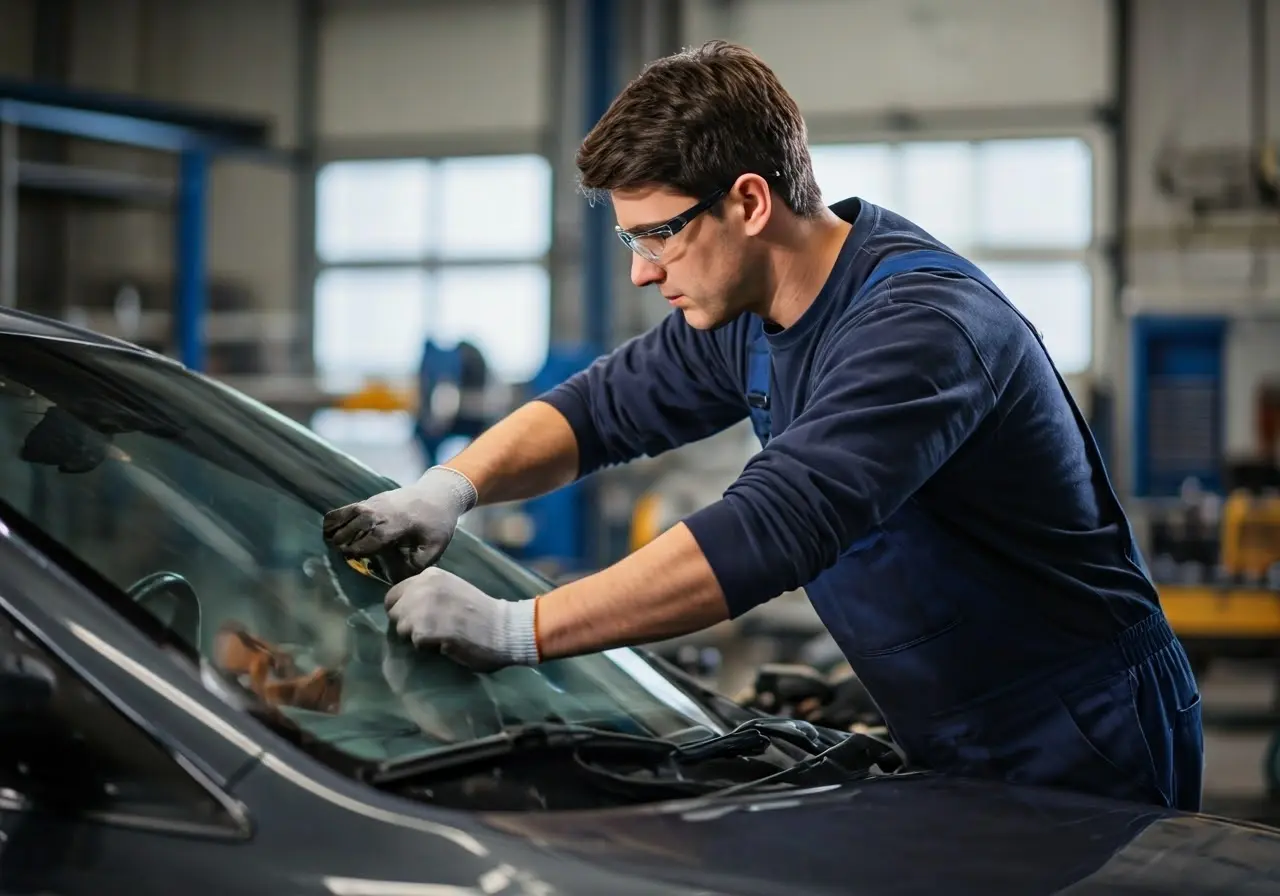
    To protect your windshield year-round, it’s crucial to address any signs of damage promptly. For comprehensive tips and care advice, explore our articles that delve into topics like eco-friendly practices and smart technology transforming auto glass repair procedures.

    Selecting a Reliable Mobile Repair Service

    Look for certified technicians with good customer reviews. Check if services are covered by your insurance, which can often reduce out-of-pocket costs. Companies such as Big Time Glass offer reliable repair services with positive feedback from previous clients.

    It’s also advisable to ensure that the service provider uses high-quality materials and offers warranties on their repairs. This not only assures quality but also peace of mind should additional issues arise after the initial repair.

    Reading customer testimonials and researching service offerings can greatly increase your chances of selecting a trustworthy provider that meets your particular needs. Mobile services should adapt to the constraints of your situation without compromising on quality or safety.

    What to Expect During a Driveway Repair?

    The repair process takes around 30-60 minutes. The technician will clean the area, apply resin, and then cure it using a special UV light. This procedure ensures the durability and transparency of the repaired area.

    During the visit, a professional might recommend replacing the windshield if the damage is beyond a simple repair. It’s essential to trust their evaluation since they’re experienced in determining the best course for maintaining your vehicle’s safety and efficiency.

    For more detailed steps on windshield care, refer to our comprehensive Windshield Woes guide. It contains valuable insights ensuring clarity and safety on the road following such repairs.

    Windshield Repair on Your Terms

    Repairing a windshield in your driveway is not only possible in Arizona but often convenient and cost-effective. Due to the sunny weather and a prevalence of mobile repair services, many companies cater specifically to this need. Ensure you choose a reputable service provider who uses high-quality materials for a solution that restores both the integrity and clarity of your windshield. To get started with your repair or replacement, visit Big Time Glass for expert service you can trust.
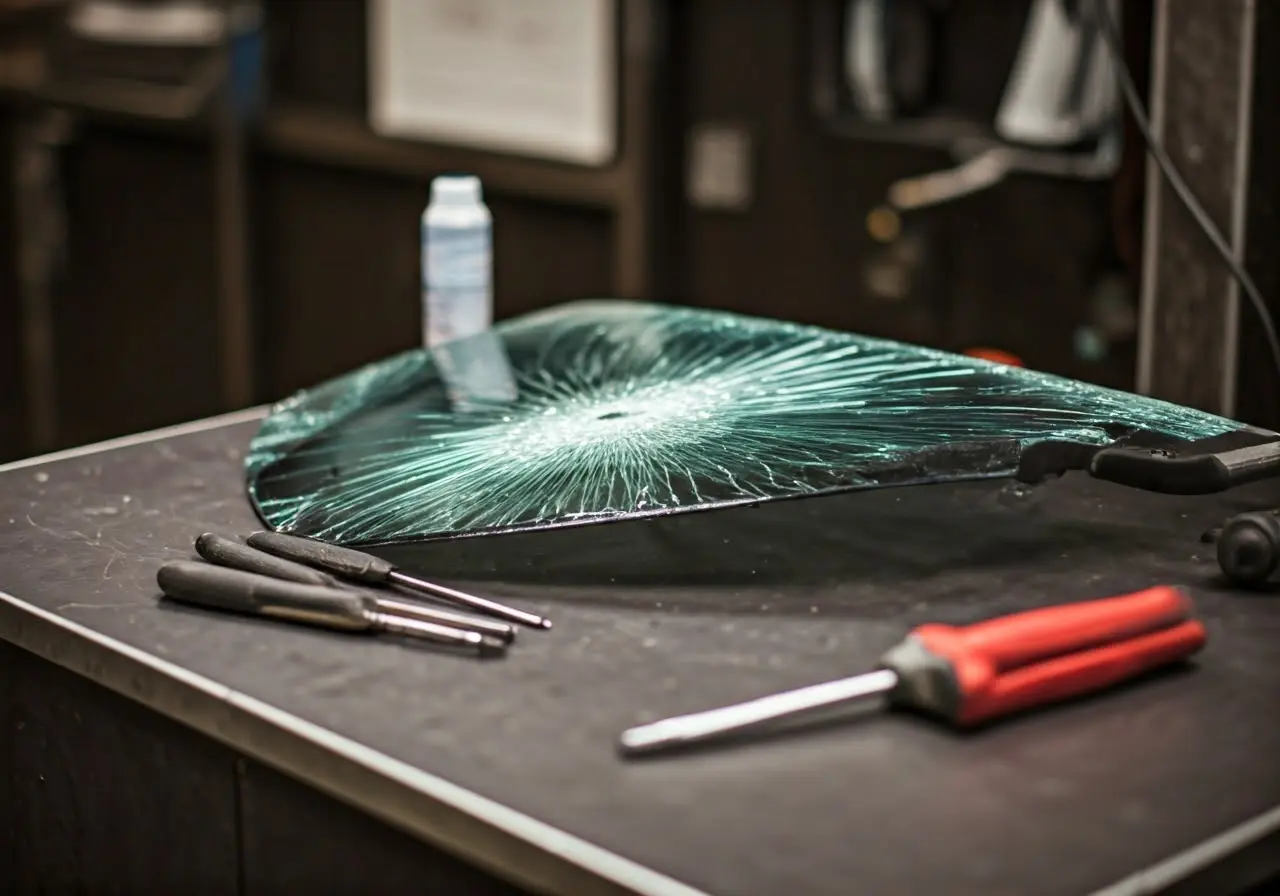
  • Can Extreme Weather in Arizona Impact the Need for Windshield Repair?

    Can Extreme Weather in Arizona Impact the Need for Windshield Repair?

    Arizona is known for its extreme weather conditions. From scorching heat to sudden monsoon rains, the climate can significantly affect various aspects of life, including the condition of your vehicle’s windshield. In this blog, we’ll explore how Arizona’s weather might necessitate windshield repairs and what you can do about it. Tornado on the Desert

    How Does Heat Affect Your Windshield?

    Arizona’s extreme heat can be a real problem for vehicle windshields. As temperatures soar, the intense heat causes the glass to expand. When the temperature drops, it contracts, creating stress points on the glass. Over time, this constant expansion and contraction can lead to cracks and chips, even from the smallest impact. Parking your car in a shaded area is not just about keeping it cool for comfort—it’s vital for maintaining the windshield’s integrity. Using sunshades can also help minimize the effects of heat. According to GEICO, these preventive measures are crucial for minimizing the risk of heat-related glass damage. It’s important to note that the high heat can also exacerbate existing damage. A tiny chip can spider into a huge crack if left untreated. For more insights on handling such issues, check our comprehensive guide on windshield care.

    What Are the Impact of Monsoon Rains?

    Monsoon rains in Arizona aren’t just heavy; they can also come with significant temperature fluctuations. This rapid change adds stress to your windshield, effectively worsening existing cracks and chips. Furthermore, water can seep into these imperfections, freezing and expanding overnight, enlarging the damage. Addressing any damage before the monsoon season is crucial. Quick fixes and regular checks can prevent an unsightly chip from becoming an expensive replacement. Learn about the importance of early repairs from our article on ignoring auto glass damage. As emphasized by windshield experts at GEICO, ensuring your vehicle is ready for rain will save you from bigger problems down the road.

    The Role of Wind and Dust Storms

    Wind and dust storms are frequent guests in the Arizona climate. These storms are not only a visibility peril but also a threat to your windshield due to the high-speed winds carrying debris. Sand and rocks hurled against your car can damage the glass, leading to chips and eventually cracks. Ensuring your vehicle is protected from such elements is key to avoiding frequent repairs. As advised by Progressive, a simple routine of cleaning and maintaining your windshield can go a long way in reducing these risks. Utilizing car covers or seeking sheltered parking can also help minimize exposure to these destructive elements. Regular maintenance and inspections can serve as effective preventative measures.

    Preventive Measures for Windshield Maintenance

    Preventing windshield damage starts with regular check-ups and fast attention to any emerging issues. Catching damage early can make the difference between a minor repair and a costly replacement. Don’t allow a small chip to become a significant concern; services like those at Big Time Glass are equipped to help. Additionally, using quality glass products is vital in maintaining windshield integrity in extreme weather. Investing in protective coatings and routinely calibrating any Advanced Driver Assistance Systems (ADAS) ensures both glass and technology endure Arizona’s harsh conditions.—your safety relies on the strength and reliability of your windshield.
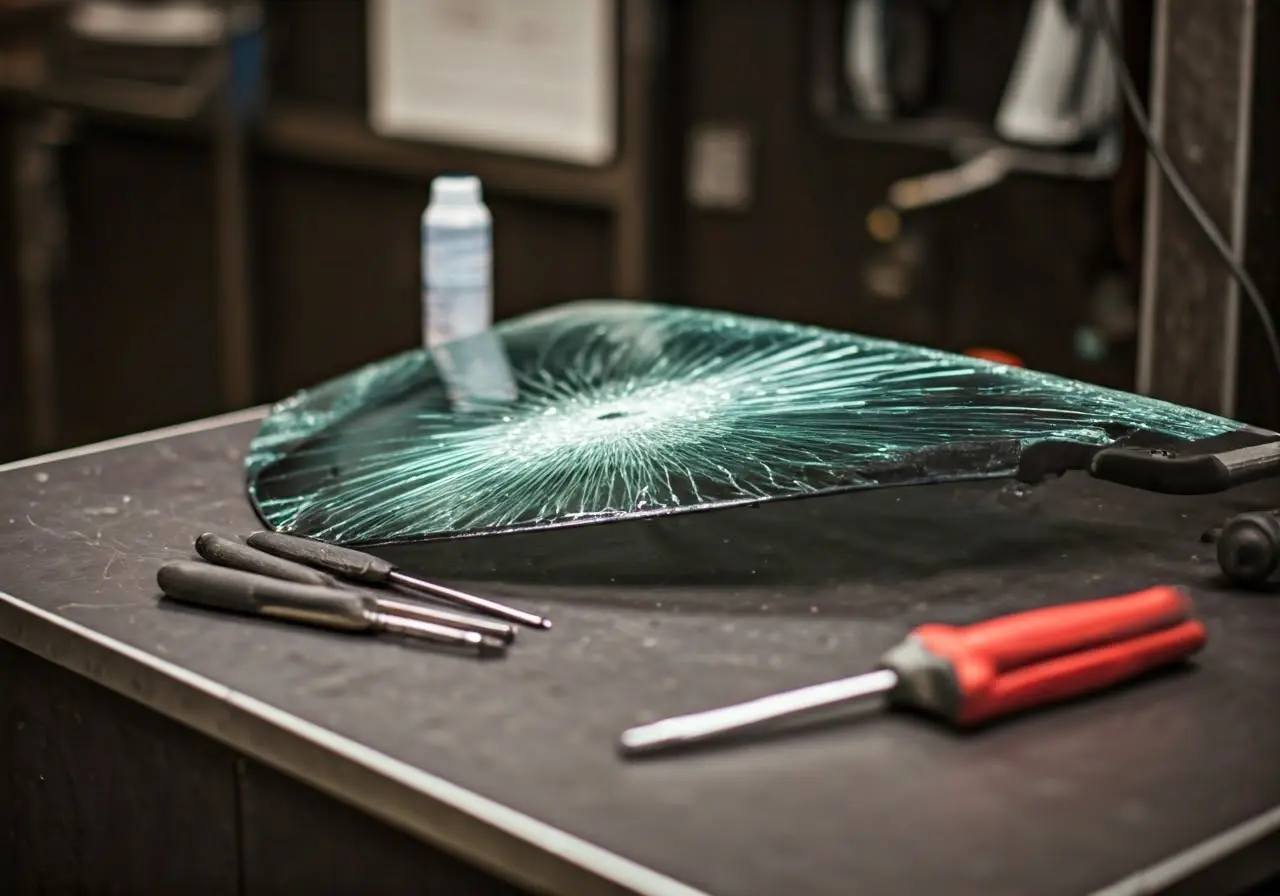
    Final Thoughts on Handling Windshield Repairs in Arizona

    In conclusion, Arizona’s extreme weather does play a pivotal role in increasing the need for windshield repairs. Understanding these factors can help you stay proactive in maintaining your vehicle’s safety and structural integrity. Regular inspections and speedy repairs can prevent minor issues from becoming major expenses. For more comprehensive information, visit our home page at Big Time Glass.
  • The Hidden Dangers of Ignoring Auto Glass Damage

    The Hidden Dangers of Ignoring Auto Glass Damage

    It’s easy to overlook a small chip or crack in your car’s windshield or window, but even the smallest damage can have big consequences. Understanding these risks is crucial for every car owner.

    Compromised Visibility
    Even a small crack can impair your ability to see the road clearly, leading to dangerous driving conditions.

    Structural Weakness
    Your vehicle’s windshield contributes to its structural integrity, especially in a rollover accident. Ignoring damage weakens this support.

    Potential Legal Issues
    Driving with a damaged windshield can sometimes lead to legal troubles, as it’s considered unsafe in many areas.

    Increased Repair Costs Over Time
    Small cracks can quickly grow, leading to more expensive repairs or complete replacements.

    Insurance Coverage
    Many insurance policies cover windshield repair, making the fix more affordable and less daunting than you might think.

    Safety First with Big Time Glass
    At Big Time Glass, we understand the hassle of repairs. That’s why we offer quick, efficient, and professional service to make your auto glass repair as painless as possible.

    Ignoring auto glass damage is a gamble with your safety, legal standing, and finances. Turn to Big Time Glass for a swift, safe, and satisfactory solution. Don’t wait until it’s too late – a clear view and a safe drive are just an appointment away.

  • Navigating the Future: Cutting-Edge Trends in Auto Glass

    Navigating the Future: Cutting-Edge Trends in Auto Glass

    The auto glass industry is not just about fixing chips and cracks anymore. It’s evolving with technology and customer needs, leading to some exciting trends that are changing the way we think about car windows and windshields.

    Smart Glass Revolution Imagine a windshield that adapts to light conditions or displays vital driving information. Smart glass technology is making this a reality, enhancing driver safety and comfort.

    Eco-Friendly Solutions With sustainability becoming a priority, the industry is seeing a shift towards eco-friendly materials and recycling practices for auto glass, reducing environmental impact.

    Advanced Driver Assistance Systems (ADAS) As cars get smarter, so does their glass. ADAS integration in windshields is on the rise, featuring sensors and cameras for enhanced driving safety.

    Customization and Personalization From tinted windows for privacy to custom designs, personalization options in auto glass are expanding, offering drivers a chance to express their style.

    DIY Repair Kits For the hands-on car enthusiast, the market for DIY auto glass repair kits is growing, offering cost-effective and convenient solutions for minor damages.

    Expert Insights at Big Time Glass While trends come and go, the need for expert advice remains constant. At Big Time Glass, we’re not just keeping up with these trends; we’re leading the charge, ensuring our customers benefit from the latest in auto glass technology and services.

    The auto glass industry is more dynamic than ever, with innovations geared towards safety, convenience, and sustainability. Staying informed about these trends helps you make better decisions for your vehicle. Remember, whether it’s embracing new technology or seeking professional advice, Big Time Glass is here to guide you through the evolving landscape of auto glass.

  • Windshield Woes: What Every Car Owner Should Know

    Windshield Woes: What Every Car Owner Should Know

    Every car owner will likely face windshield damage at some point. Understanding when and why to opt for repair or replacement can save you time and money while ensuring your safety.

    Small Chips Can Mean Big Problems
    A tiny chip may not seem like a big deal, but left unattended, it can quickly escalate into a large crack. Factors like temperature changes and rough roads can turn a small blemish into a significant concern that obscures your view and vehicle’s structural integrity.

    When to Repair?
    Repair is an efficient choice for smaller chips and cracks. Modern techniques can quickly fix these issues, restoring the windshield’s durability without the need for a full replacement. This not only saves resources but also retains the original seal of your windshield.
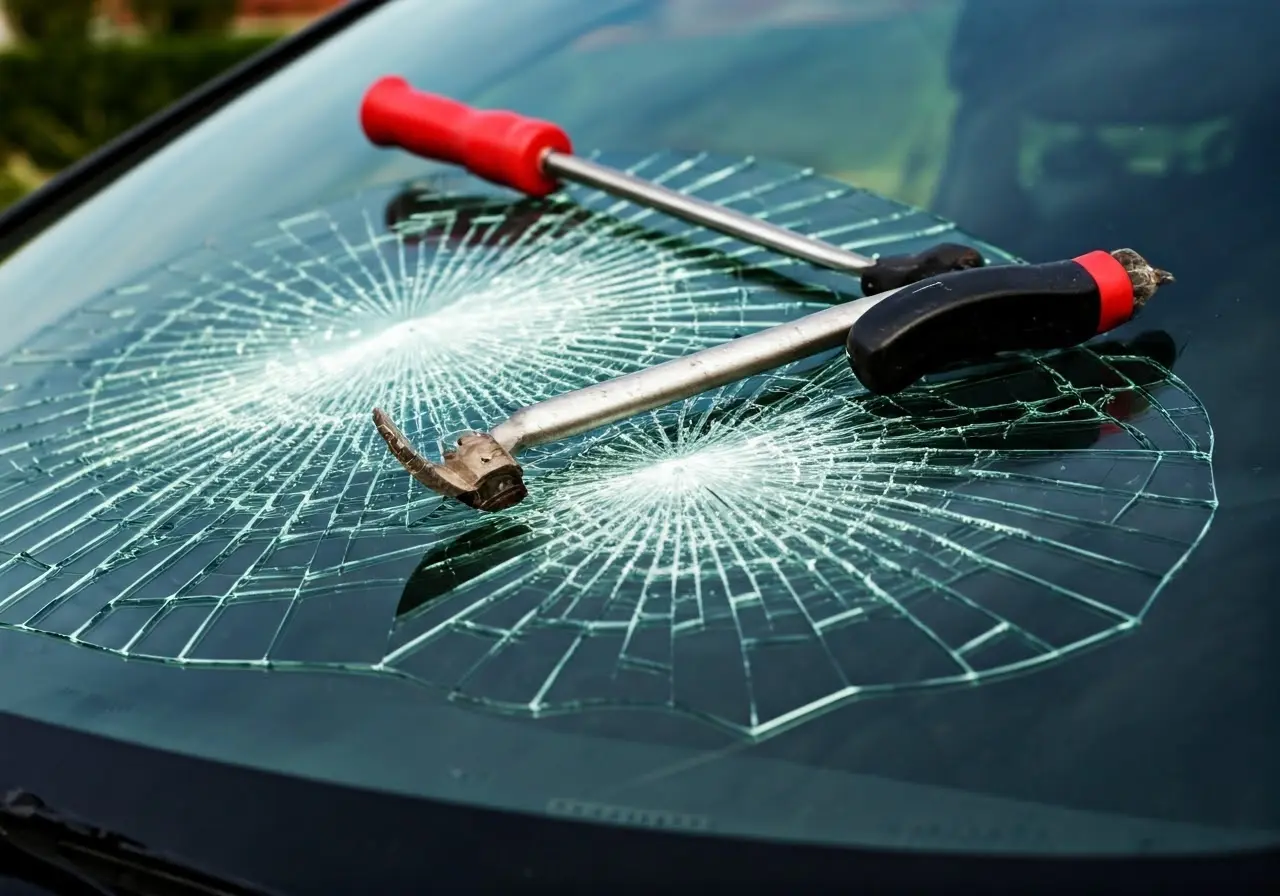
    Signs You Need a Replacement
    Replacement becomes necessary when:

    • The damage is in the driver’s line of sight.
    • The chip is larger than a quarter.
    • The crack extends more than a few inches.
    • There are multiple areas of damage.

    The Role of Professional Assessment
    Getting a professional assessment is crucial. Services like Big Time Glass can evaluate the damage and recommend the best course of action, prioritizing your view and vehicle safety.

    Advancements in Windshield Technology
    Today’s windshields are more than glass—they’re a part of your vehicle’s safety system. Advanced Driver Assistance Systems (ADAS) rely on sensors that often need recalibration after windshield service.

    Insurance and Windshield Service
    Many insurance policies cover windshield repair and sometimes replacement. Check your coverage and work with knowledgeable providers who can help navigate the claims process.

    Your windshield’s integrity is crucial for safe driving. Whether it’s a repair or replacement, choosing a reliable service provider is essential. Remember, timely action can prevent minor damage from turning into a major issue.